Datrix
Datrix
Datrix
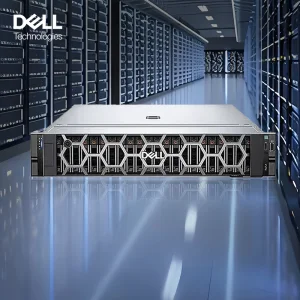
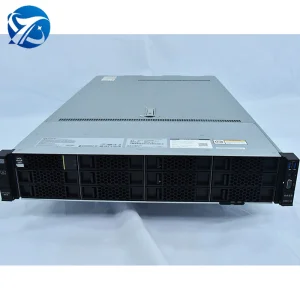
High-bandwidth routing and enterprise server nodes engineered to manage data congestion in metropolitan fiber rings.
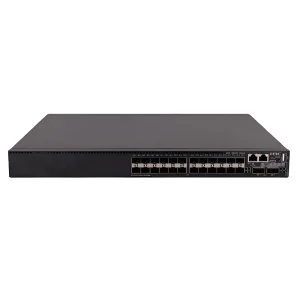
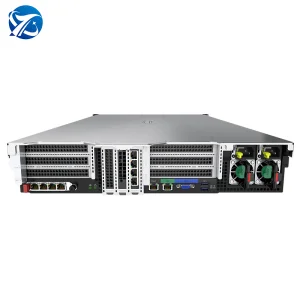
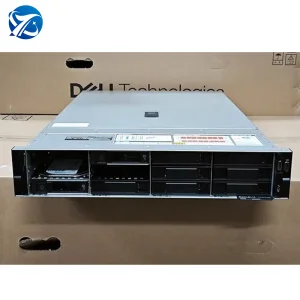
The Philadelphia metropolitan area is rapidly transitioning into a major eastern seaboard corridor for healthtech, advanced logistics, fintech, and distributed edge computing. Driven by institutions in University City, industrial hubs along the Delaware River, and suburban technology corridors, local enterprises require high-performance, non-blocking network configurations. Deploying multi-gigabit (10G/40G/100G) ethernet switches is no longer an optional upgrade but a fundamental requirement to minimize intra-data center latency and secure high-throughput data pipelines.
As local entities pivot toward hybrid cloud models, they face unique infrastructure challenges: managing legacy systems while scaling AI inference models, handling real-time telemetry from smart manufacturing facilities, and maintaining compliance under federal data regulations. A reliable network switch supplier in the Philadelphia market must deliver equipment capable of handling massive east-west traffic flow, sub-millisecond route convergence, and robust hardware layer isolation.
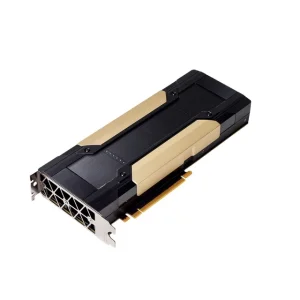
By coupling high-density L3 switches with multi-GPU architectures (such as Xeon rack servers and PCIe GPU units), enterprises establish parallel data pathways that prevent synchronization stalls during deep learning cycles.
Industrial sites in Greater Philadelphia utilize 10G/40G core configurations to bridge remote IoT sensors with localized control nodes, eliminating the round-trip latency penalty of distant cloud providers.
Leveraging VLAN, VRF, and wire-speed ACL options in switches to segment network paths for HIPAA and PCI-DSS requirements without reducing interface throughput speeds.
Enterprise networks are currently shifting from traditional multi-tier topologies toward flat, leaf-spine structures. This design shift optimizes bandwidth utilization and guarantees uniform latency for server-to-server exchanges. Within this paradigm, next-generation network switches serve as traffic orchestrators. Key technologies including EVPN-VXLAN, Software-Defined Networking (SDN), and automated flow control protocols (RoCEv2) enable engineers to build programmable virtual networks on top of high-performance physical hardware.
Over the next three to five years, the Philadelphia market is projected to see increased integration of Co-Packaged Optics (CPO) and silicon photonics inside network routing hubs. This transformation significantly lowers power consumption per gigabit of throughput, addressing one of the chief operating expenses in commercial data centers. Investing in modular switch expansions that support modern transceiver technologies safeguards initial infrastructure purchases from premature obsolescence.
Ensure your enterprise hardware is fully provisioned with optimized components to eliminate computational bottle-necks.
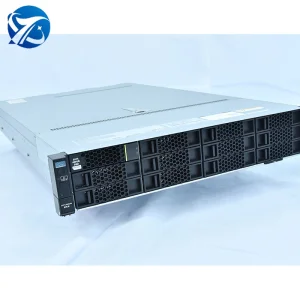
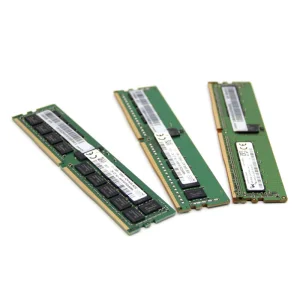
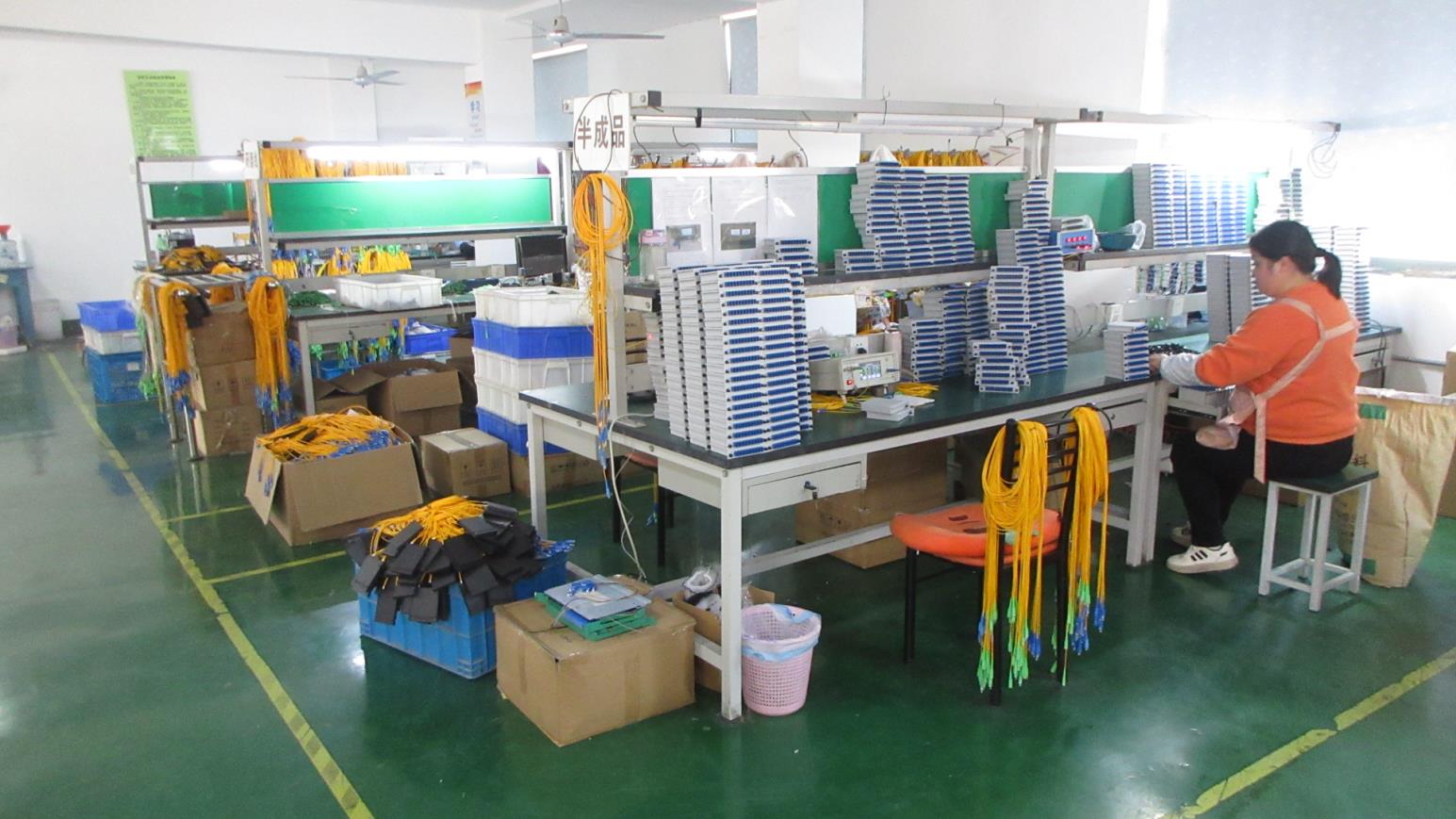
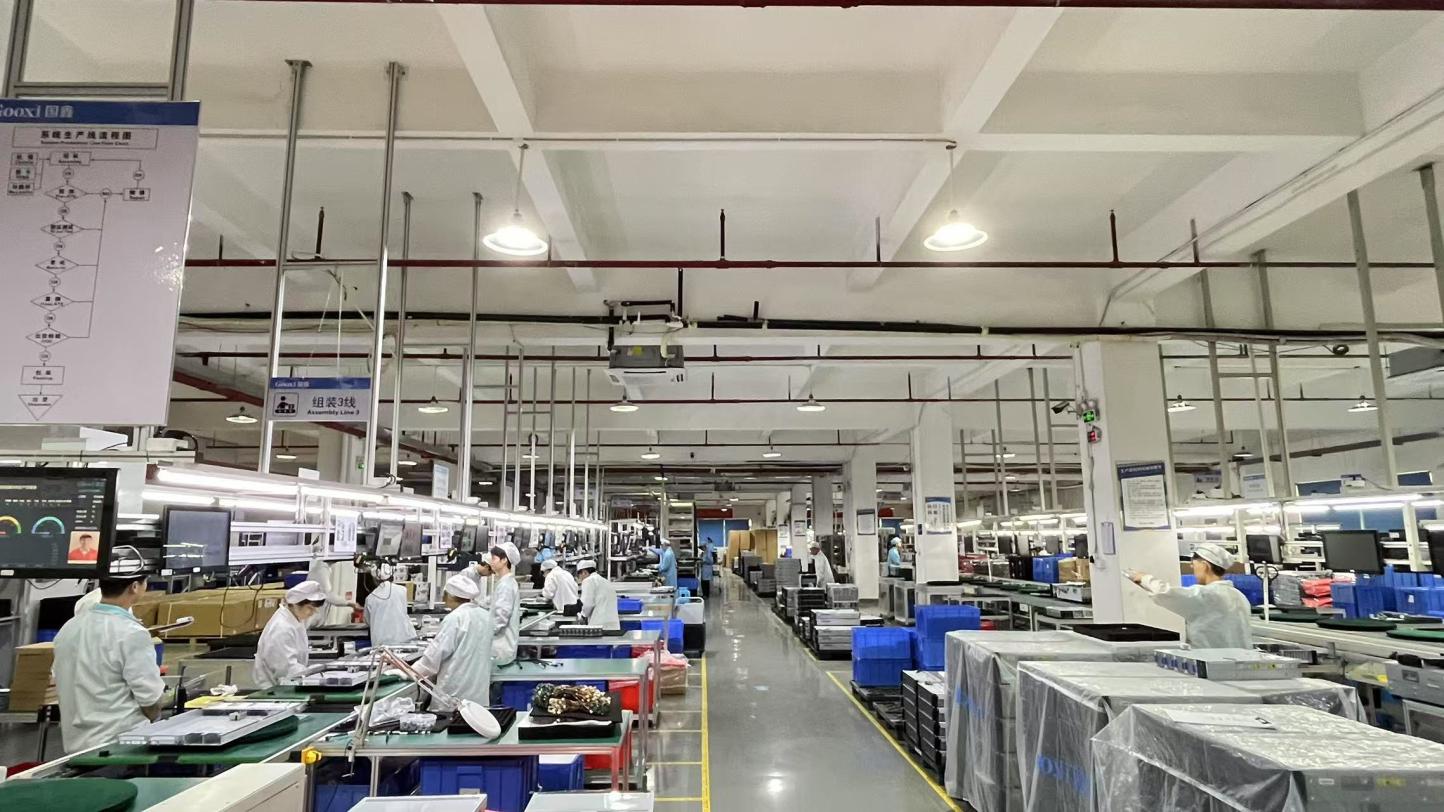
In today's interconnected global landscape, procuring computing and networking hardware demands a balanced mix of manufacturing speed, rigorous quality testing, and supply chain redundancy. For system integrators and technology purchasing managers operating within the mid-Atlantic region, partnering with factories that employ Industry 4.0 production strategies offers a significant competitive edge. By incorporating real-time component tracking, automated optical inspection, and automated configuration environments, modern manufacturing plants minimize unit variance while accelerating shipment times.
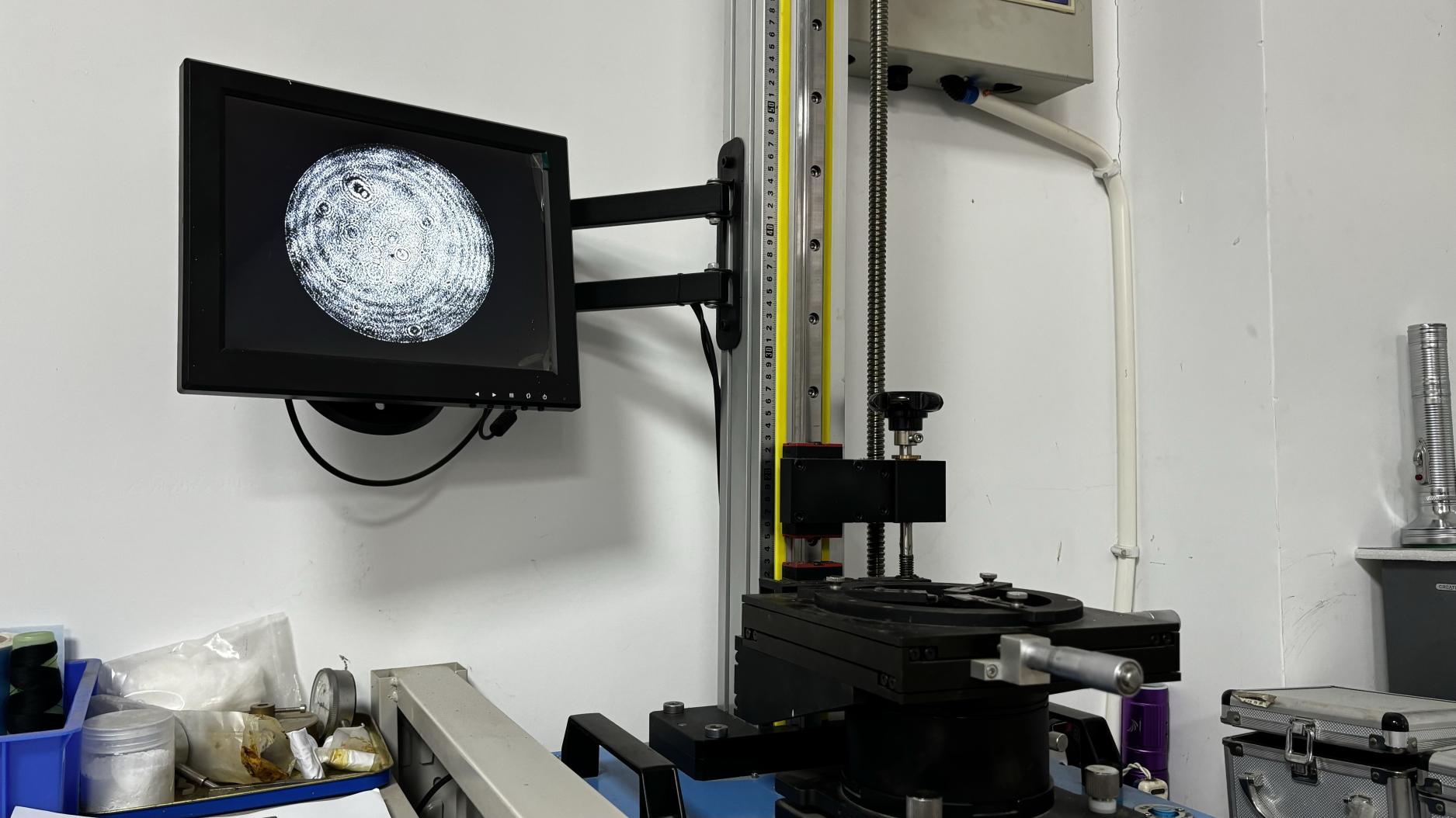
This high-precision industrial approach is crucial for high-speed network switches. A single microscopic defect in an optical port transceiver layout or a tiny soldering variation in a system's multi-layered backplane can cause packets to drop under heavy traffic loads, compromising the reliability of critical business systems. Utilizing strict testing methodologies, including automated In-Process Quality Control (IPQC) and long-duration thermal burn-in testing, ensures that every core switch, edge node, and acceleration server performs reliably upon arrival.
Datrix AI Computing Inc. is a professional manufacturer specializing in high-performance AI GPU servers, GPU workstations, and customized computing infrastructure for AI training, deep learning, HPC, cloud computing, and enterprise data centers. With a strong focus on innovation, product reliability, and customer satisfaction, we provide scalable GPU computing solutions for system integrators, distributors, research institutions, and enterprise clients worldwide.
| Corporate Parameter | Operational Standard & Metrics |
|---|---|
| Company Registration Date | August 18, 2016 |
| Annual Export Revenue | USD 28 Million |
| Export Experience | 7 Years of Dedicated Global Operations |
| Industry Experience | 12 Years of Advanced Computing Research & Production |
| Product Inspection Methods | Raw Material Inspection, IPQC, Functional Testing, Burn-in Testing, Final Quality Inspection (FQC) |
| Quality Control Staff | 52 Dedicated QC Specialists |
| Customization Capabilities | OEM & ODM: Logo Customization, Chassis Design, BIOS/Firmware Configuration, Packaging |
| New Products Launched (Last Year) | 126 Enterprise Grade Platforms |
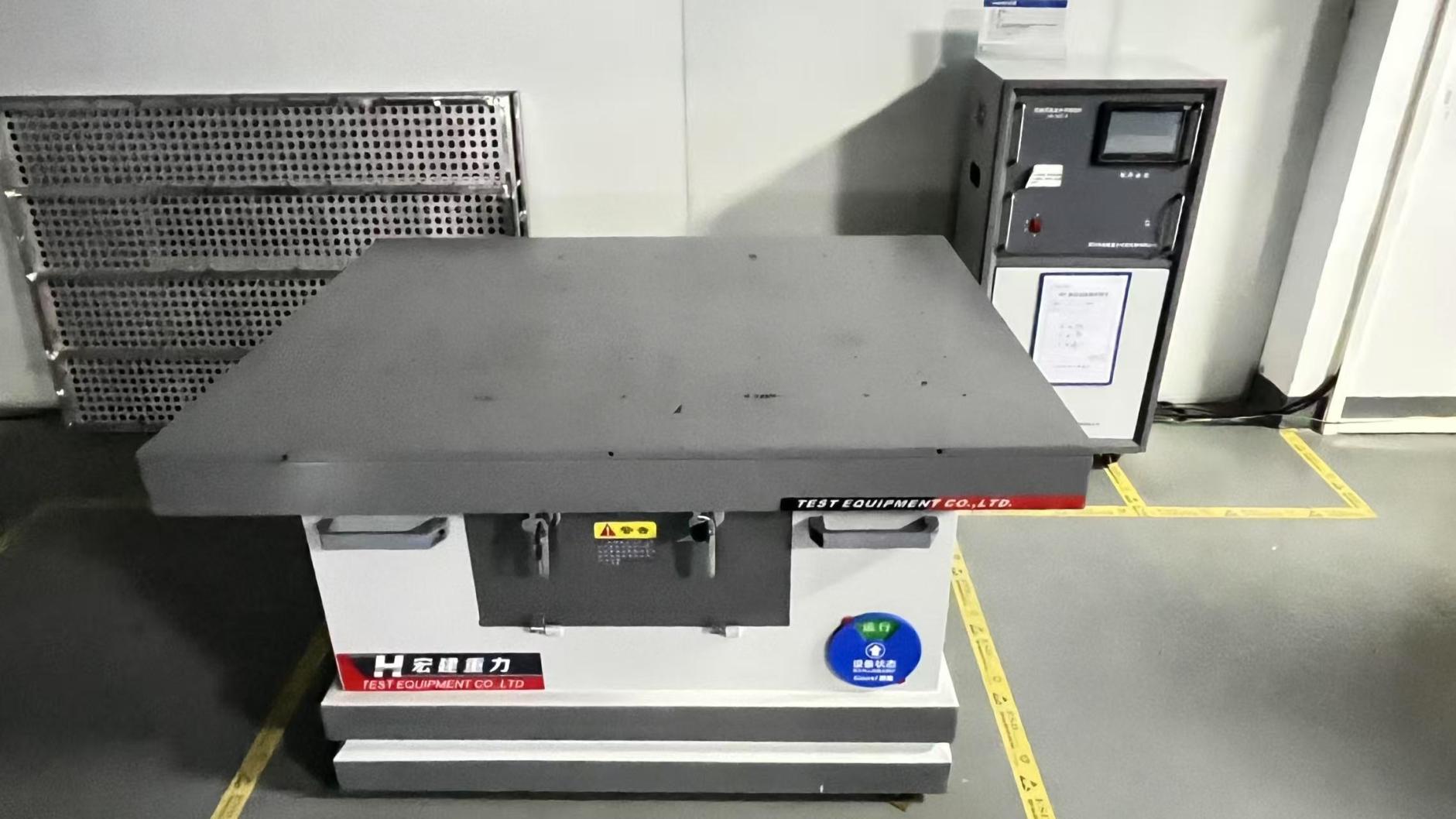
Deploying critical network switches and hardware in the Philadelphia market requires absolute alignment with domestic regulatory structures and operational standards. Every hardware component supplied must meet CE, FCC, and RoHS certifications to ensure electrical safety, interference shielding, and ecological sustainability. Additionally, local support services bridge the gap between production overseas and operation on-site, offering expert configuration assistance and fast hardware replacement paths.
By implementing standardized testing frameworks before shipment (including physical component validation, electrical isolation checks, and high-temperature diagnostic runs), we maintain low failure rates upon arrival. This structured quality assurance model guarantees that new systems integrate smoothly with existing infrastructures from day one, helping companies protect their investments and avoid operational downtime.
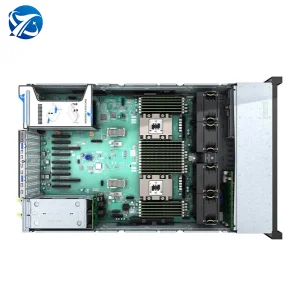
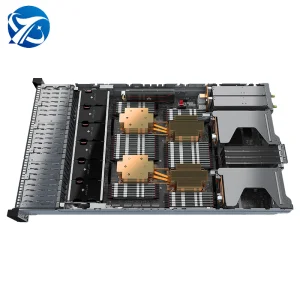
Explore our comprehensive catalog of high-availability enterprise servers and high-speed RAM expansions engineered to scale local mid-Atlantic cloud infrastructures.
Get in touch with our design engineers to refine product specifications, coordinate OEM/ODM options, or request direct pricing details for your enterprise deployment.
Send Inquiry Now