Datrix
Datrix
Datrix


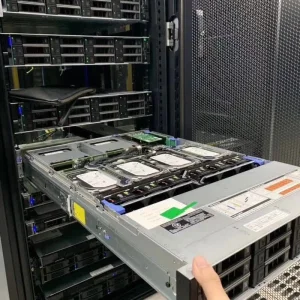
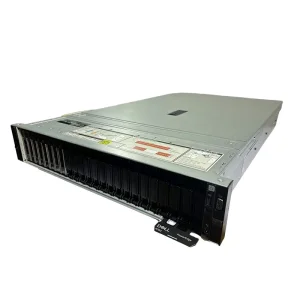
The global computing landscape is undergoing a structural paradigm shift. The rapid adoption of Large Language Models (LLMs) such as DeepSeek V3, Llama 3, and GPT-4 architectures has created an unprecedented demand for parallel processing capacity. Standard CPU-centric architectures are no longer sufficient to process the multi-trillion parameter networks that form the baseline of modern neural computing. Today, specialized AI GPU Server Manufacturers represent the vital link between raw semiconductor fabrication and deployable datacenter computing systems.
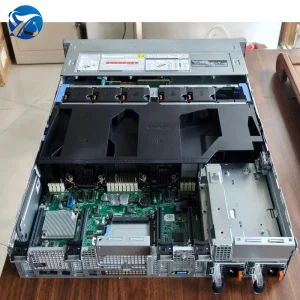
As enterprise networks transition from traditional algorithmic pipelines to autonomous AI agents and multimodal models, the deployment of GPU server topologies has transformed from an experimental sandbox project to a mission-critical infrastructure endeavor. Building hardware that can successfully house, power, and cool up to eight or sixteen interconnected GPUs requires deep expertise in thermal dynamics, high-speed printed circuit board (PCB) routing, and complex system power delivery. High-speed interconnect configurations like NVLink and PCIe Gen 5 routing require precision tolerances down to the millimeter to prevent signal degradation and maintain data transmission speeds of up to 900 GB/s.
Moreover, the integration of deep learning networks into regional datacenters requires localized optimization. While hyperscalers focus on homogeneous megawatt-scale deployments, mainstream enterprises, research institutes, and regional clouds demand customized, modular server architectures. From liquid-to-air hybrid cooling options to customized BIOS optimizations for running localized DeepSeek frameworks, modern AI GPU server manufacturing is defined by deep integration, flexibility, and a resilient, verified supply chain.
Established as a premier provider in high-density computing infrastructure, Datrix AI Computing Inc. is a professional manufacturer specializing in high-performance AI GPU servers, GPU workstations, and customized hardware arrays for AI training, deep learning, high-performance computing (HPC), and enterprise storage. We serve as a trusted hardware partner for system integrators, distributors, cloud service providers, and research laboratories worldwide.
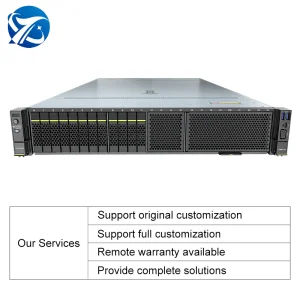
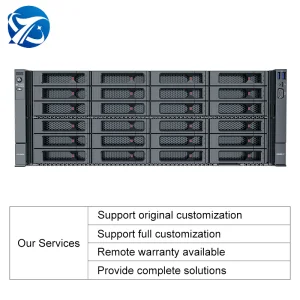
From architectural physical design to software pre-installation, Datrix offers full-spectrum customization including custom BIOS configuration, specialized rack rails, bespoke chassis bezels, and optimized power distribution interfaces tailored to target datacenter environments.
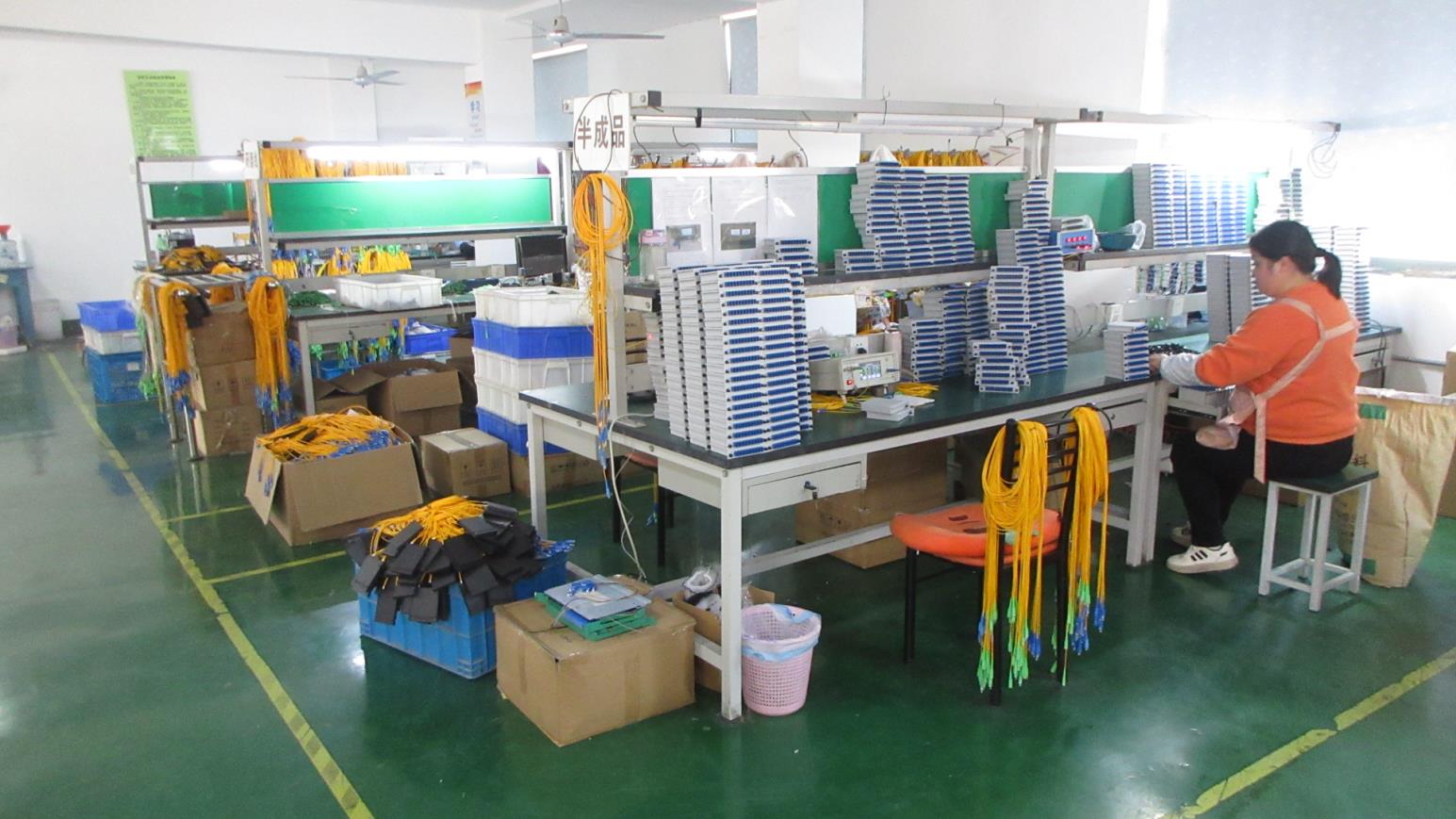
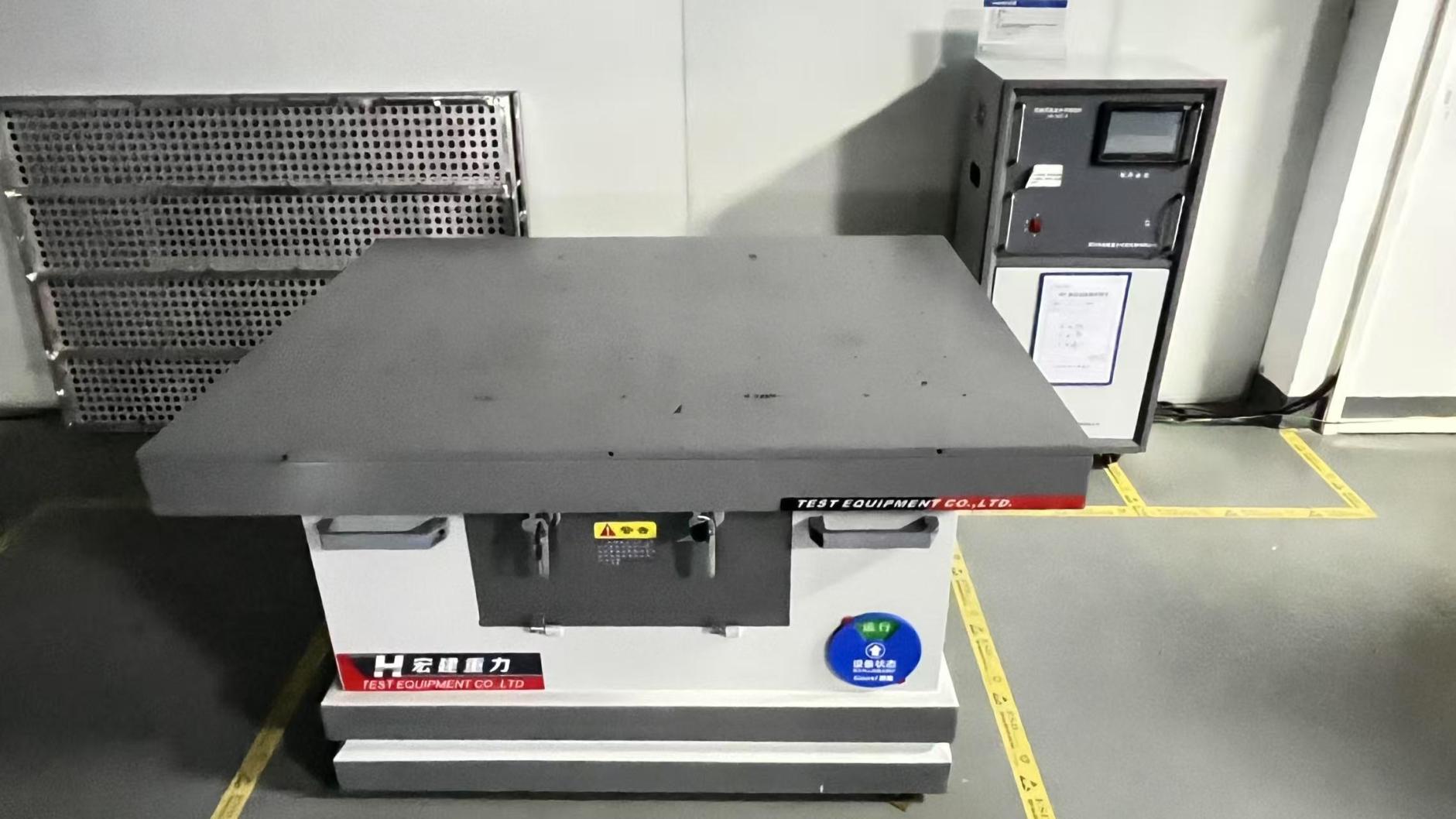
Our Quality Assurance team of 52 specialized QC staff implements a multi-phase validation routine: Raw Material Inspection, In-Process Quality Control (IPQC), functional validation, and intensive thermal chamber burn-in testing to guarantee high-performance reliability.
Supported by a deeply integrated network of over 1,180 verified supply chain partners, Datrix secures priority access to key system components, memory modules, high-frequency PCB substrate layers, and state-of-the-art power delivery micro-controllers.
To design an efficient computing system for modern AI training and inference, server engineers must resolve critical performance bottlenecks across three primary domains: high-speed fabric interconnects, power distribution efficiency, and thermal mitigation. Underestimating any of these parameters leads to thermal throttling, compute inefficiencies, or outright hardware failure.
High-performance training demands ultra-low-latency communication. Our design maps support for high-bandwidth interconnect protocols (such as NVLink and Infinity Fabric) and PCIe Gen 5.0 lanes directly routed from dual-socket Intel Xeon Scalable or AMD EPYC processors, providing up to 128 PCIe lanes to eliminate data transit bottlenecks.
Accelerated nodes carrying multiple 700W+ GPUs present severe challenges to server power distribution. Datrix systems utilize highly efficient, titanium-grade redundant power supplies (CRPS 1+1 or 2+2 configurations up to 3200W+) operating at 240V/380V DC inputs to ensure minimal energy conversion loss and high system stability.
Unlocking peak GPU frequencies requires aggressive heat extraction. Datrix designs feature high-RPM, hot-swappable counter-rotating fan walls combined with optimized air shrouding, alongside advanced liquid cooling loop integrations utilizing micro-channel cold plates directly attached to the silicon dies.
For distributed AI clusters, Datrix GPU servers are designed with integrated SmartNIC and DPU (Data Processing Unit) support, enabling GPUDirect RDMA (Remote Direct Memory Access) over Converged Ethernet (RoCEv2) or InfiniBand. This bypasses host CPU memory pools during inter-node transfers, reducing latency to sub-microsecond levels, which is crucial for checkpointing large-scale models across hundreds of compute nodes.
Maintaining high operational efficiency requires an uncompromising approach to quality control. Standard servers perform generic read/write processes; AI server nodes run near-continuous, high-workload calculations for weeks. A single component failure during model training can ruin days of calculations. Our production line is designed around strict quality milestones:
X-ray inspections of multi-layer PCBs to detect inner-trace micro-fractures before component placement.
Automated optical inspection (AOI) verification of solder points on all mainboards and backplane components.
Verification of peripheral bus interfaces, network interfaces, memory configurations, and BMC telemetry.
A minimum of 24 to 72 hours of high-load burn-in at elevated ambient temperatures to identify early failures.
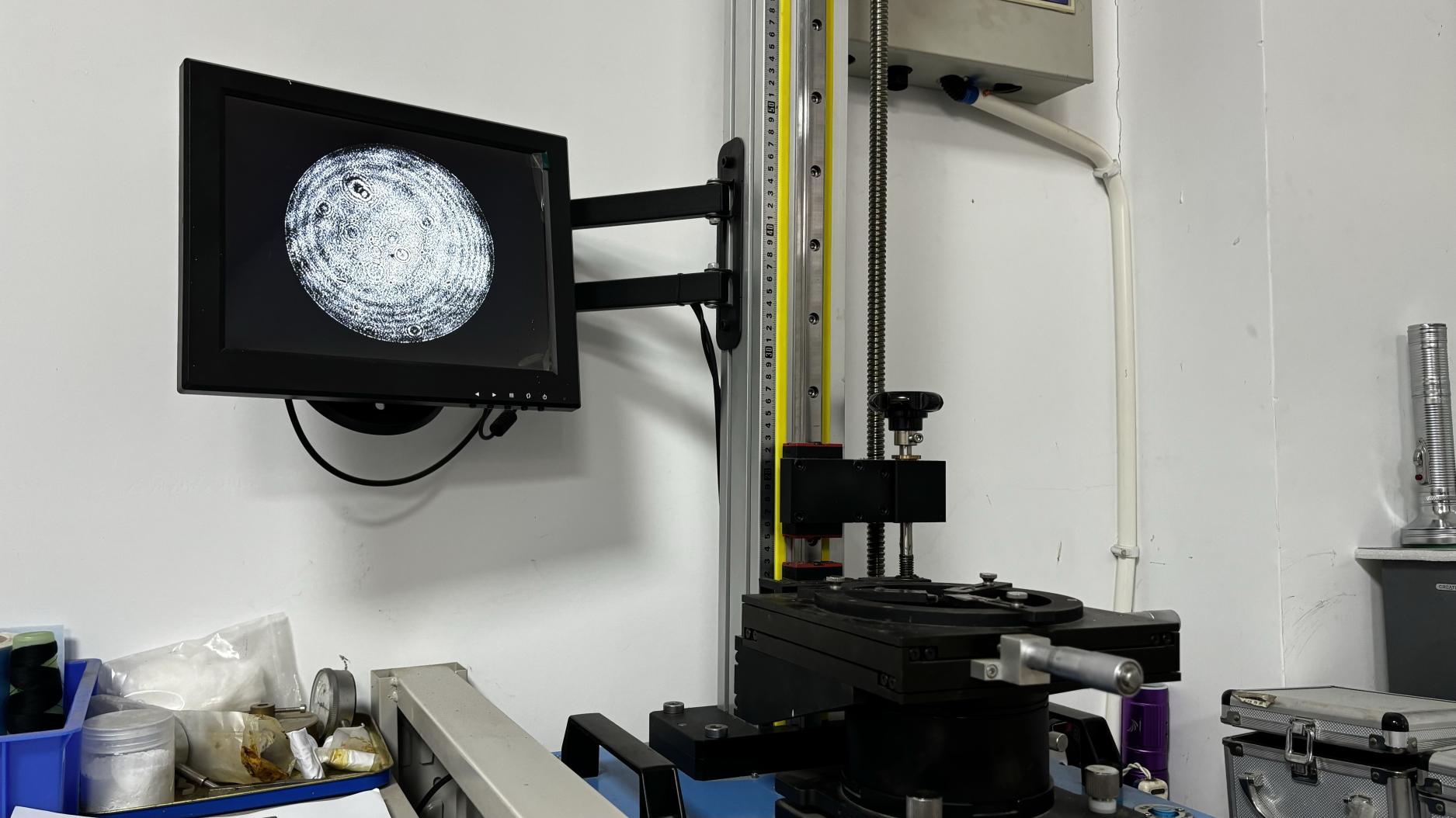

Modern AI GPU server hardware configurations are closely tailored to the specific software architecture they run. Our engineering team designs platforms optimized for distinct computing workloads:
Training deep learning networks and executing massive model inference tasks (such as running the 671 Billion parameter DeepSeek-V3 or Llama models) requires optimized memory bandwidth. Our high-density server configurations feature multi-channel high-speed system memory layout to prevent system bottlenecks during large model runs.
Real-time sensor fusion training requires low-latency parallel processing paths. Datrix hardware features high-speed PCIe topologies that enable high-bandwidth camera, LiDAR, and radar dataset processing, helping automotive developers accelerate simulation iterations.
Running structural molecular prediction models requires high floating-point performance and reliable system memory. Datrix AI hardware platforms provide the stability needed to run long molecular modeling simulations without memory faults or data dropouts.
Additionally, regional cloud hosting providers and academic institutions require robust multi-tenant security layers. By implementing customized BIOS profiles and leveraging advanced Single Root I/O Virtualization (SR-IOV) drivers, Datrix systems allow secure provisioning of GPU resources to separate users, maximizing hardware utilization rates across varying departmental needs.
As computational demands grow, AI server hardware designs must continuously adapt. In the next five years, server architecture will adapt to three major hardware trends:
Datrix continues to invest in design validation for high-density architectures, ensuring our clients receive robust hardware platforms capable of supporting high thermal loads and fast data transfer interfaces. Our ongoing R&D projects focus on preparing chassis configurations for next-generation system architectures, enabling smooth path upgrades as new computing hardware becomes available.
A high-quality AI server design focuses on three key factors: PCIe electrical signal integrity to minimize error rates, thermal capacity to prevent throttling under long workloads, and power redundancy. Poor designs can suffer from voltage drops or heat-induced slowdowns during high-load processing.
A single CPU typically does not have enough PCIe lanes to support multiple high-end GPUs. Dual-socket motherboard architectures provide up to 128 Gen 5.0 lanes, allowing multiple GPUs to communicate at full bandwidth without latency-inducing switch configurations.
Every server undergo rigorous validation processes, including 24-72 hours of continuous high-load burn-in at elevated temperatures. We monitor power rails, system temperatures, and memory error rates (ECC) to verify component quality before shipment.
Our customization options cover hardware, firmware, and branding. We offer customized chassis design, bespoke cooling solutions (liquid loops or custom shrouds), specialized BIOS and IPMI profiles, pre-loaded software stacks, and custom branding for system integrators.