Datrix
Datrix
Datrix
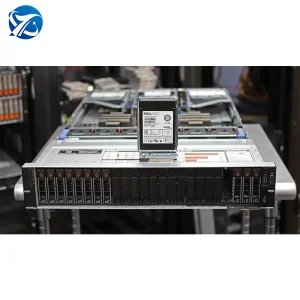
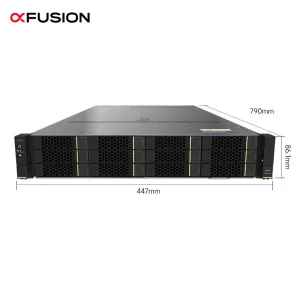
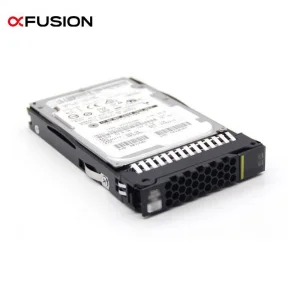
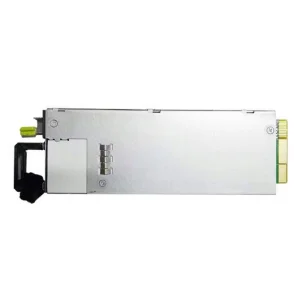
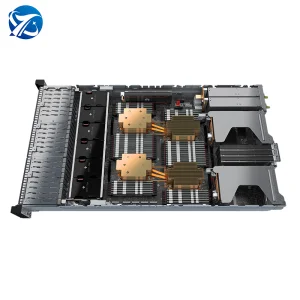
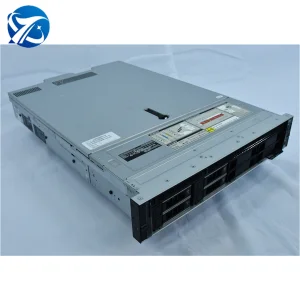
High-Performance Computing (HPC) has transitioned from an elite research application to the core operational engine of the modern digital economy. Across North America, Europe, and the Asia-Pacific region, the demand for scalable computational power is rising rapidly, driven by deep learning models, massive data analytics, and real-time physical simulations. As complex workloads like generative artificial intelligence (GenAI) push the limits of legacy architectures, custom-built hardware solutions are becoming essential for organizations seeking to maintain a competitive edge.
Today's HPC market requires high levels of flexibility, energy efficiency, and security. Enterprise organizations are moving away from standardized, off-the-shelf system configurations that often fail to meet specific compute-to-cooling ratios or localized I/O performance requirements. In response, Custom OEM/ODM manufacturing models have emerged as the standard approach. These custom designs allow system integrators, research laboratories, and hyper-scale cloud operations to deploy servers optimized for specific algorithm profiles, heat limitations, and data workloads.
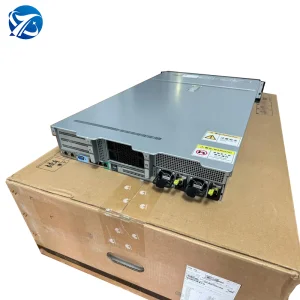
Established on August 18, 2016, Datrix AI Computing Inc. has grown into a leading manufacturer and exporter of advanced server solutions. Leveraging over 12 years of industry experience and 7 years of global export capabilities, the company delivers custom-engineered AI GPU servers, workstations, and high-density HPC racks tailored to demanding business environments.
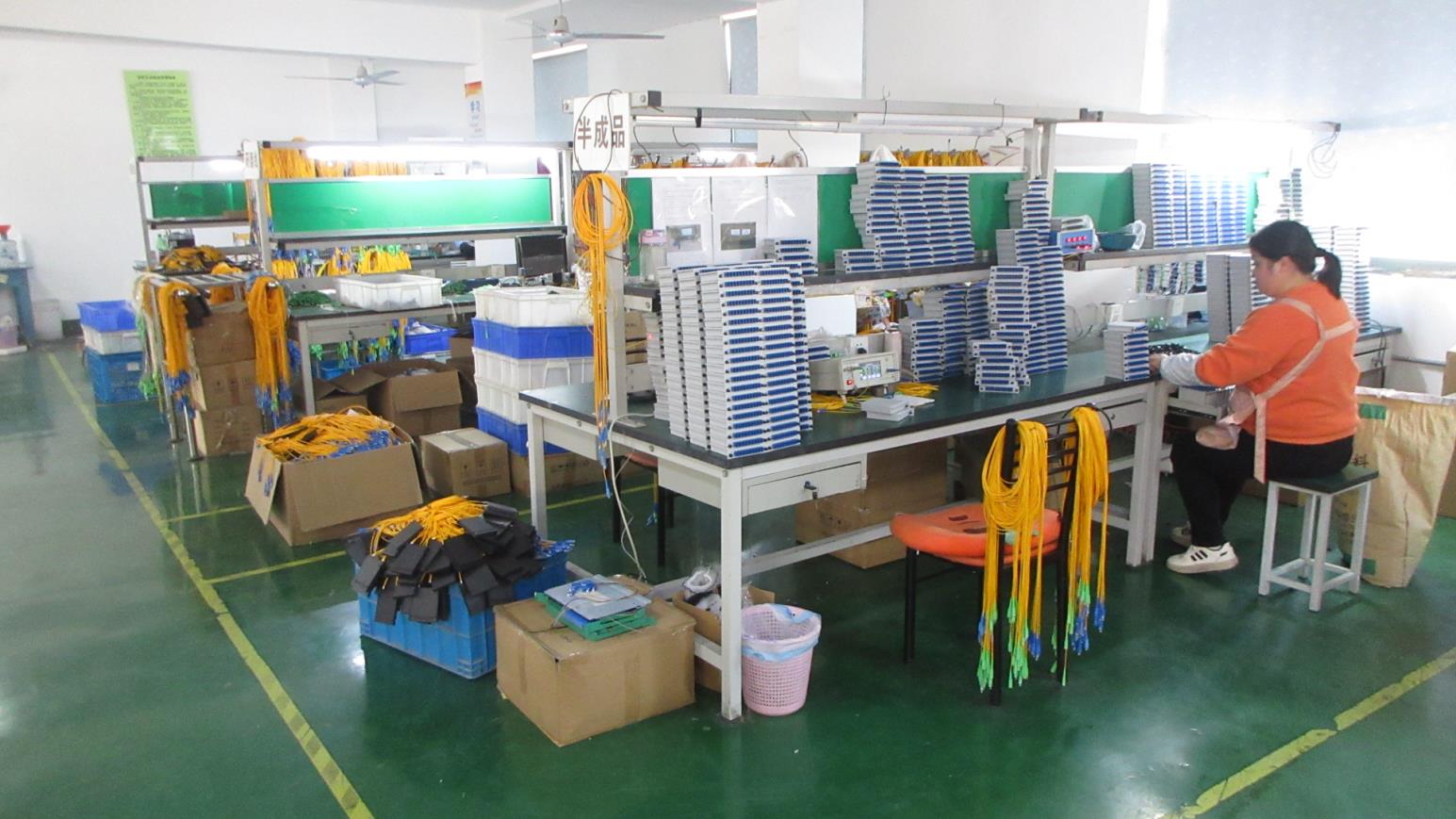
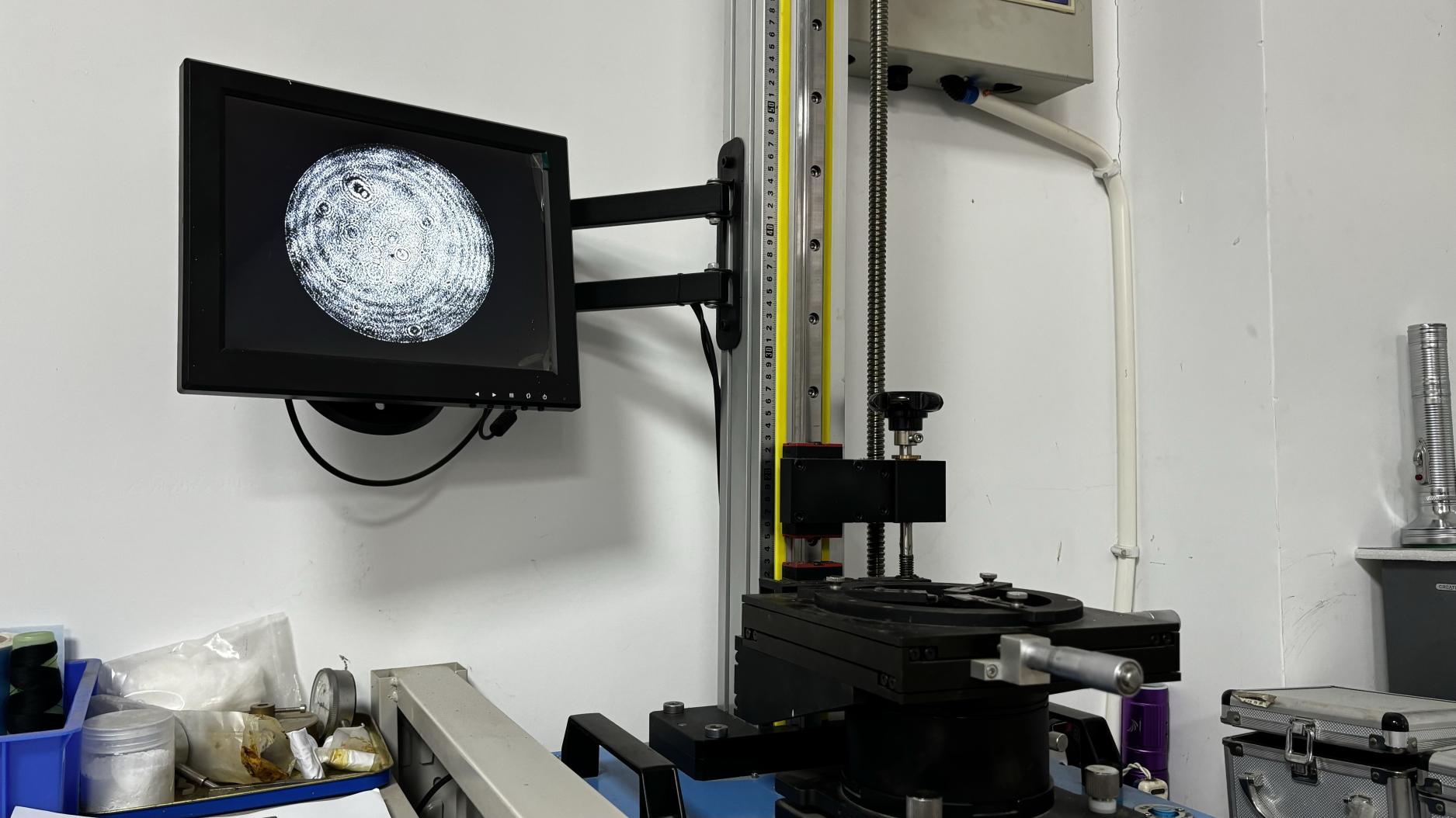
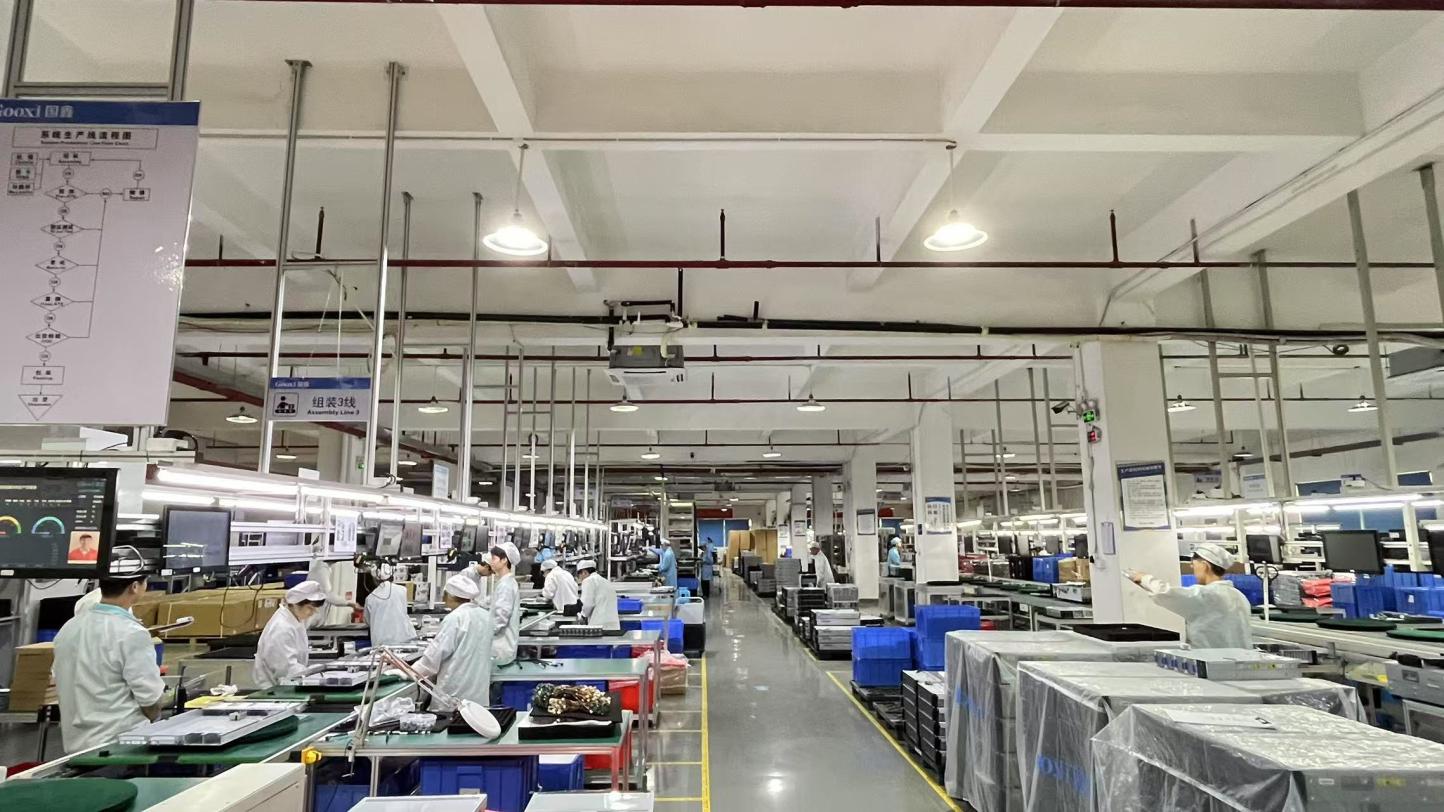
Operating from an 18,600 m² manufacturing facility, Datrix maintains rigorous quality standards. The production pipeline is backed by 52 quality control professionals who implement a comprehensive multi-stage inspection strategy:
Comprehensive verification of incoming processors, memory ICs, high-frequency PCB layers, and power modules to guarantee strict compliance with electrical standards.
Continuous in-process testing of memory bus integrity, PCIe lane margins, and firmware initialization routines to prevent manufacturing defects early in production.
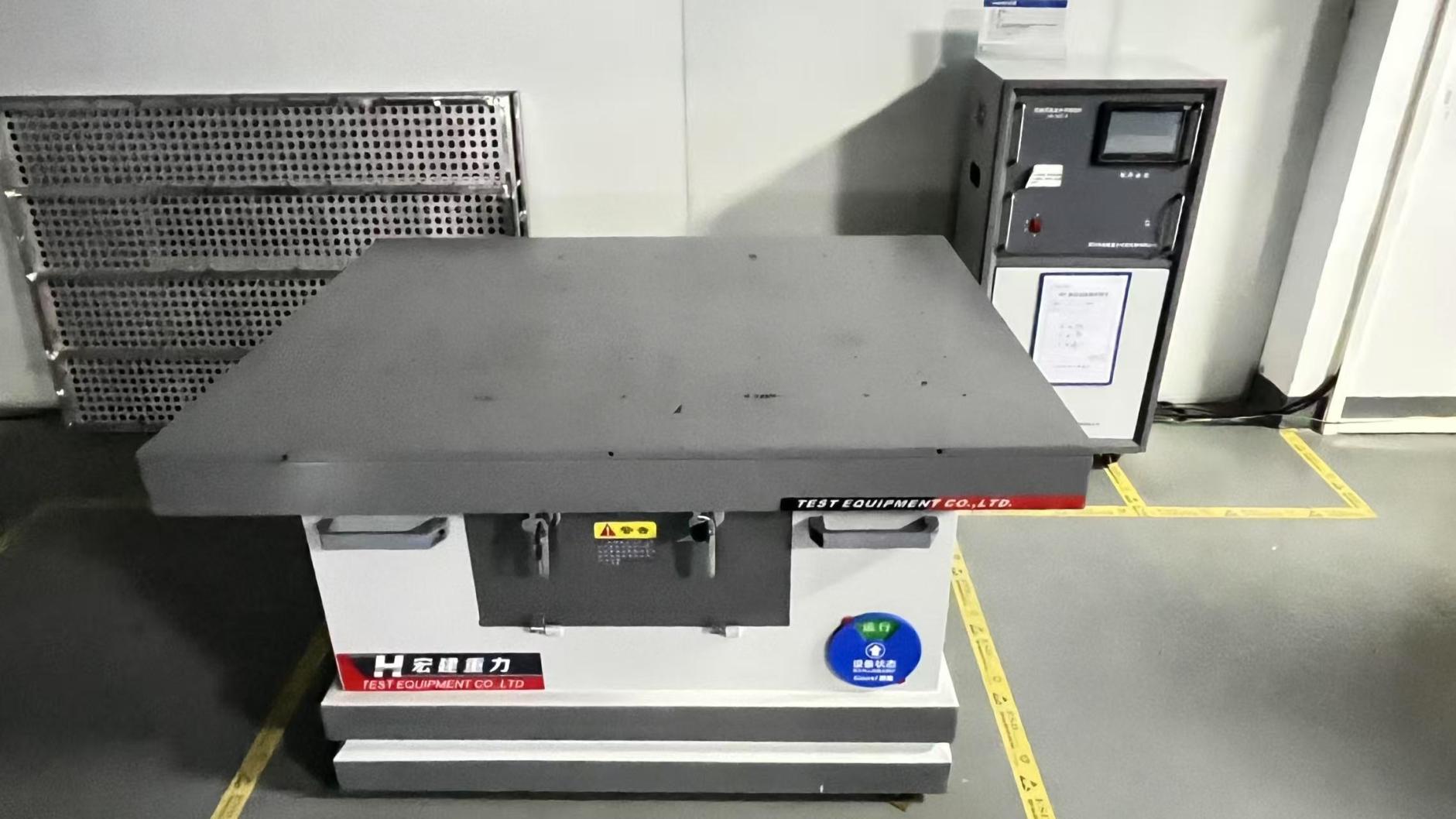
Extended system testing under high thermal and computational loads (100% load test) to identify potential component issues before packaging and export.
The high-performance computing market is undergoing major structural changes. Standard, general-purpose server architectures are no longer sufficient to handle the data-intensive requirements of next-generation applications. Several key technical milestones shape our OEM customization process:
As CPU and GPU thermal design power (TDP) values exceed 400W and 700W respectively, air cooling is reaching its physical limits. Custom architectures are adopting direct-to-chip liquid cooling loops and closed-loop liquid-to-air cooling methods to ensure stable performance during sustained workloads.
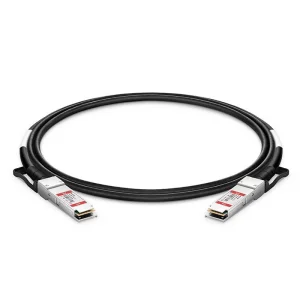
System configurations must support high I/O throughput. With PCIe 5.0 delivering 32 GT/s per lane, signal integrity is critical. Our R&D engineers customize motherboards and riser cards to optimize trace routing and minimize latency for multi-GPU arrays and high-speed network adapters.
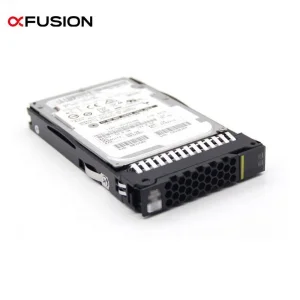
Modern systems separate storage, memory, and compute resources to maximize hardware utilization. Using high-capacity SAS/SATA, NVMe PCIe SSDs, and technologies like CXL (Compute Express Link), we build architectures that allow customers to scale memory capacity independently from compute power.
Deploying high-performance computing requires configuring systems to match the specific needs of regional markets and target workloads. Understanding how diverse industries apply these systems allows us to configure hardware that aligns with local operational goals.
Automotive system builders require high-bandwidth GPU servers to process multi-camera and LiDAR sensor streams during model training. Datrix provides customized OEM configurations with high-speed PCIe expansion options, redundant DC/HVDC power modules, and specialized BIOS settings. These features prevent bottlenecking during concurrent neural network training runs.
Genomic sequencing and molecular dynamics simulations process massive files that require high-throughput scratch storage. To support these workloads, we configure systems with high-density DDR5 memory and custom NVMe/SATA SSD storage arrays. These arrays deliver high IOPS and reliability, helping to prevent data loss during long calculation cycles.
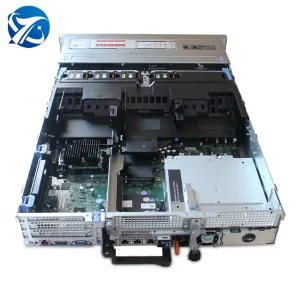
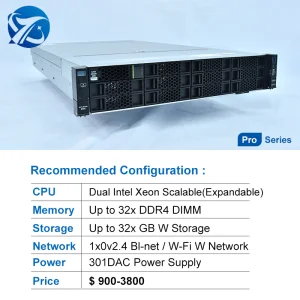
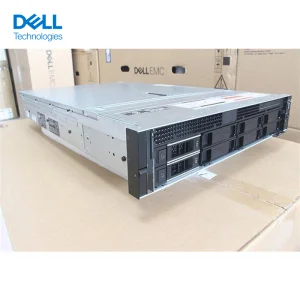
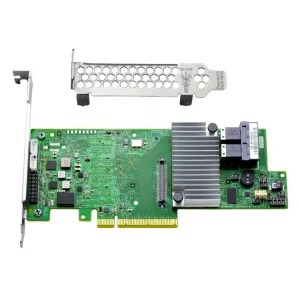
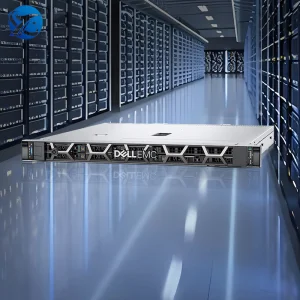
National data compliance regulations drive the demand for localized private cloud systems. Datrix configures 1U/2U servers with dedicated RAID controllers, such as PCIe 4.0 SAS/SATA cards, and high-efficiency power modules. This hardware is optimized for warm-climate data centers, delivering stable, continuous operations while lowering overall cooling costs.
Our research and development pipeline is designed to keep pace with changing server standards. Through collaboration with our silicon and component partners, we maintain a clear technical roadmap:
Deploying PCIe Gen 5.0 platforms, configuring SAS/SATA/NVMe hybrid storage architectures, and integrating active-matrix cooling topologies. Focusing on fine-tuning BIOS and firmware to maximize server performance.
Adopting CXL 3.0 memory pools to enable shared memory access across clustered nodes, reducing data copying between hosts and accelerators. Integrating DDR5 and early-stage DDR6 memory configurations.
Transitioning to co-packaged optical transceivers for rack-level optical backplanes. Standardizing production lines for full-immersion cooling compatibility to support ultra-dense compute arrays.
Deploying high-performance compute hardware requires a system-level design approach. A balanced macro infrastructure solution coordinates processing power, storage speed, and network bandwidth to prevent performance bottlenecks.
We match CPU power with optimal memory configurations and PCIe lanes to support fast data paths, minimizing latencies between processors, GPUs, and network cards.
Using SAS/SATA SSDs and NVMe options, we build tiered storage systems. This approach routes active training data to high-speed tiers while archiving cold data on high-density SAS/SATA drives.
We design systems with high-efficiency power supplies and optimized airflow channels. This configuration supports continuous, full-load server operation in standard data center racks.