Datrix
Datrix
Datrix
Deploying tier-one, high-performance computing nodes optimized for enterprise-grade private clouds.
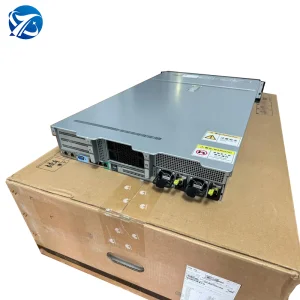
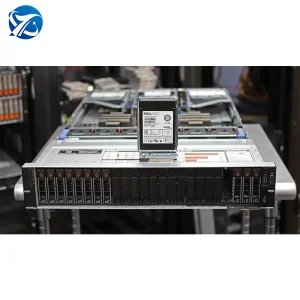
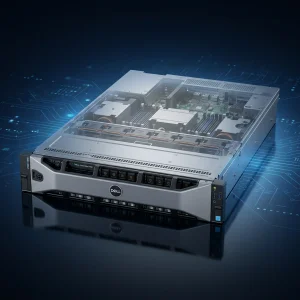
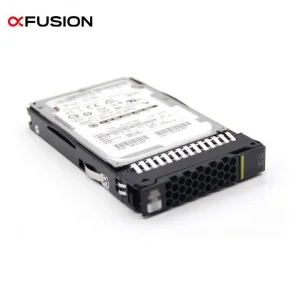
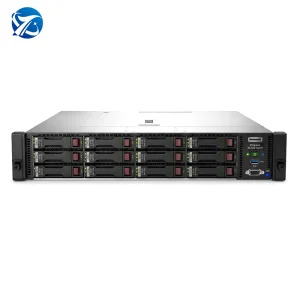
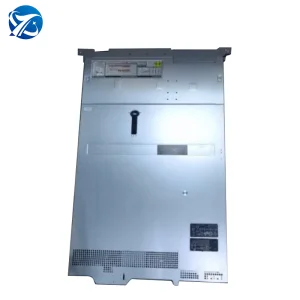
In the era of hyper-scale computing and complex artificial intelligence models, global enterprises face a critical architectural pivot. While public cloud providers offer rapid provisioning, concerns over data sovereignty, unpredictable egress costs, latency, and compliance have triggered a profound migration back to private cloud ecosystems. This transition is not a retreat to legacy server rooms, but a forward leap into private, containerized, software-defined data centers capable of running dense GPU training and highly secure enterprise workloads.
As a leading designer and hardware manufacturer, Datrix AI Computing Inc. stands at the forefront of this industrial shift. We design, customize, and manufacture enterprise-grade computing nodes, GPU workstations, and high-performance server clusters that form the core hardware layer of modern private cloud solutions.
Datrix AI Computing Inc. is a professional manufacturer specializing in high-performance AI GPU servers, GPU workstations, and customized computing infrastructure for AI training, deep learning, HPC, cloud computing, and enterprise data centers.
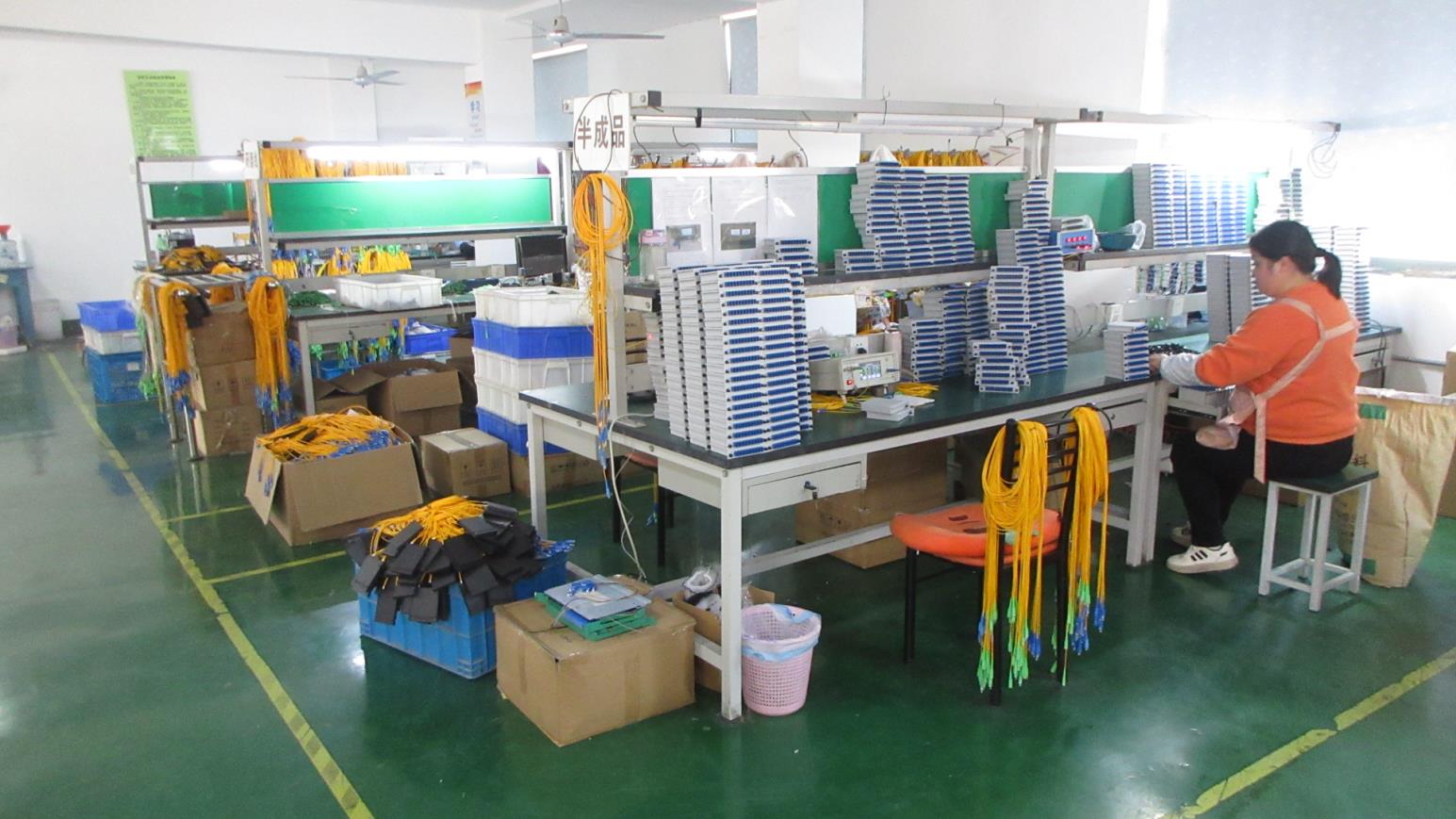
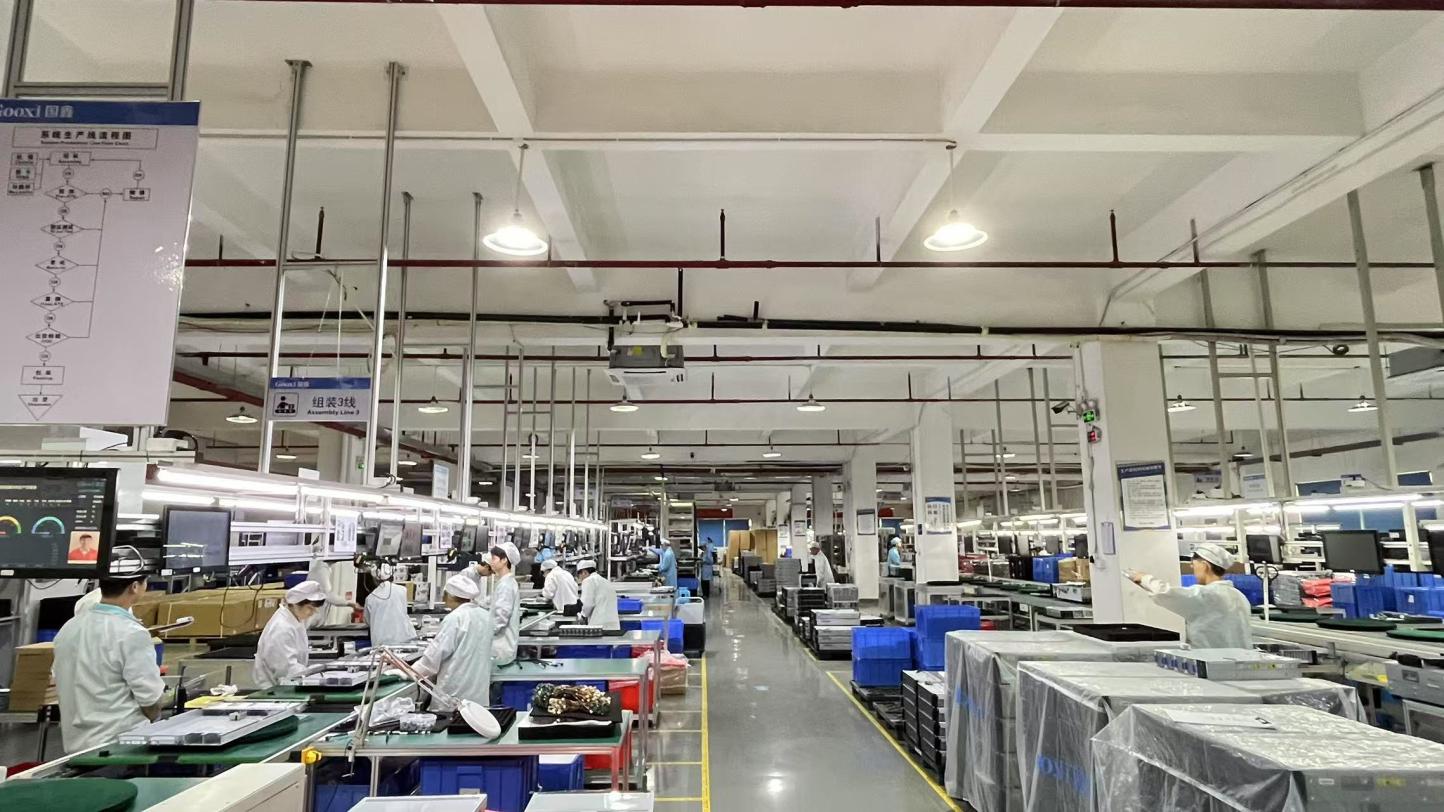
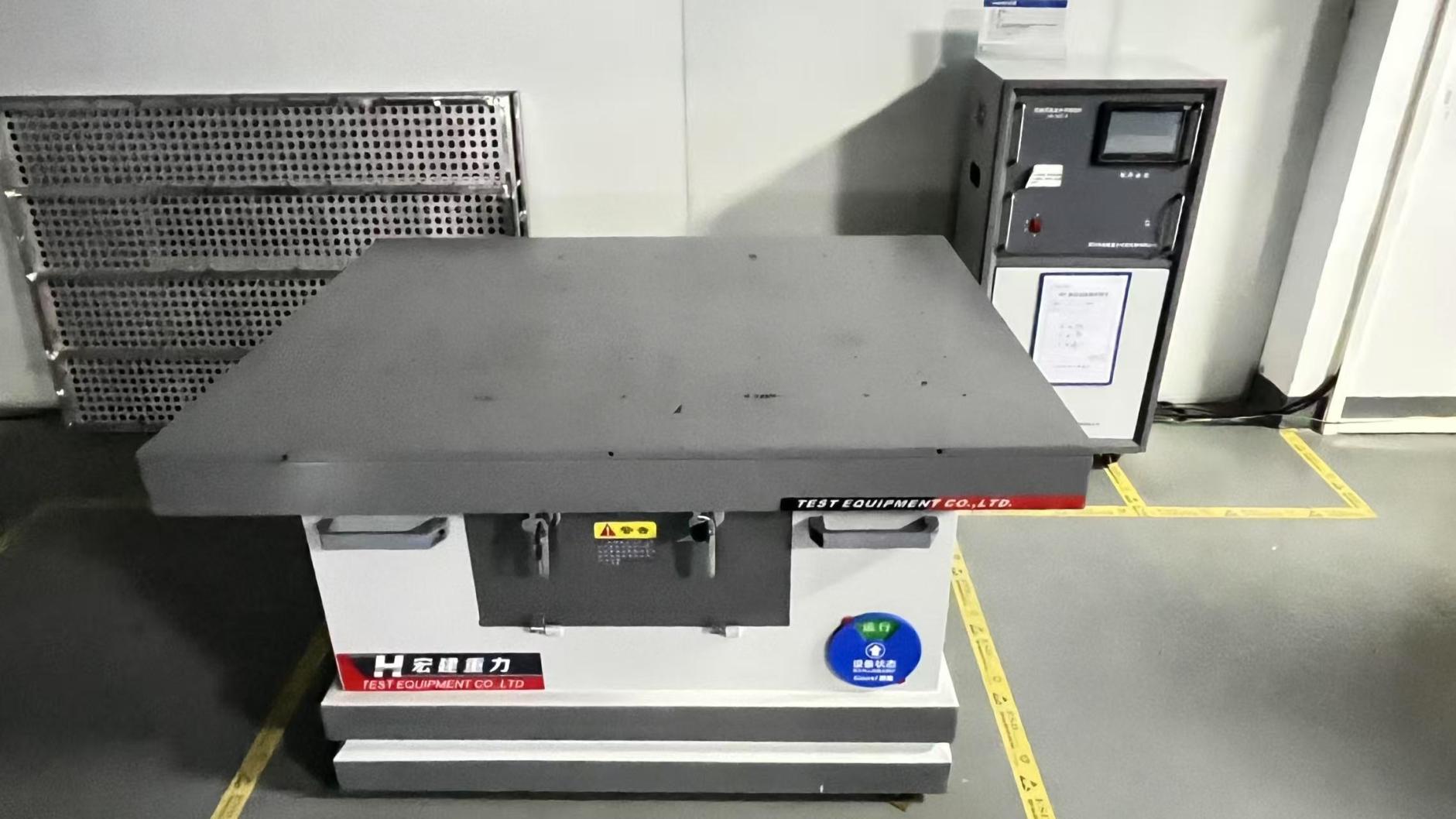
Established on August 18, 2016, Datrix has spent over 12 years in the computing infrastructure industry, exporting our robust product line for the past 7 years to key markets in North America, Europe, Southeast Asia, the Middle East, and Australia. Our production facility is equipped with automated SMT, structural assembly, and temperature-controlled burn-in rooms to test server stress tolerances before worldwide shipment. We operate under a strict quality control environment with 52 dedicated QA staff executing detailed quality checks at every level.
Private cloud infrastructure is undergoing a hardware-driven revolution. Deployments are transitioning from simple virtualization containers to heterogeneous compute clusters optimized for high data throughput, dynamic scale, and machine learning pipelines.
Integrating Compute Express Link (CXL) protocol within server architectures allows dynamic memory sharing between CPUs and accelerators, optimizing database query speeds and ML model performance.
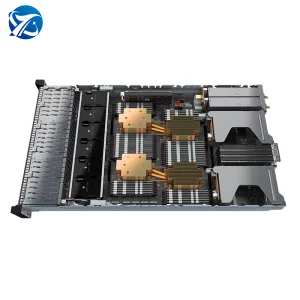
With CPU TDPs exceeding 350W and high-density GPU nodes, liquid cooling (cold-plate and immersion) is vital. Transitioning to hybrid structures decreases PUE below 1.15 in modern data centers.
Implementing Silicon Root of Trust (RoT), TPM 2.0, and confidential computing at the BIOS layer to encrypt data in-use, ensuring compute security within shared cloud environments.
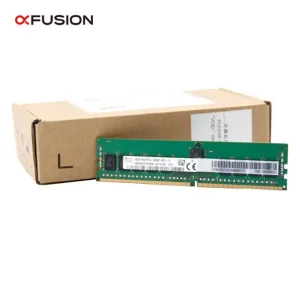
Datrix is actively integrating these advancements into our OEM pipeline. By engineering custom motherboard layouts and system firmware with open-standards compatibility (OCP), we facilitate future-proof private cloud hardware. The deployment of PCIe Gen5 and DDR5 memory profiles across our product line (such as the 6th Generation Intel Xeon servers and high-speed memory systems) ensures data flow matches compute capacity without I/O choke points.
Different sectors have unique architectural pressures. Our server portfolios are built to adapt to these regulatory, computational, and scale parameters:
| Industry Sector | Core Technological Needs | Recommended Hardware Setup | Software Ecosystem Integration |
|---|---|---|---|
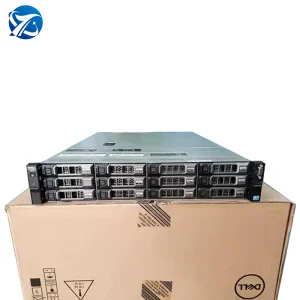
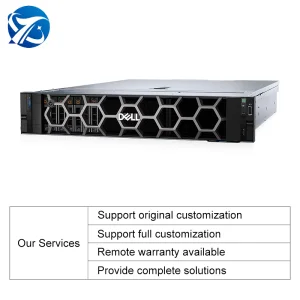
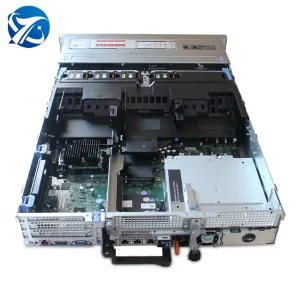
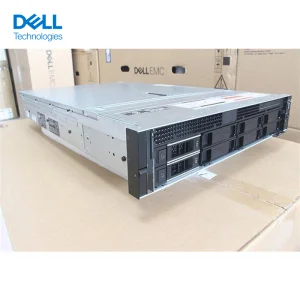
| Financial Services | Low latency, strict data compliance, secure multitenancy, high-transaction database support. | 1U/2U High-frequency Intel Xeon 6th Gen or Dell R660 series with NVMe array. | VMware vSphere/Tanzu, OpenStack, Red Hat Enterprise Linux. |
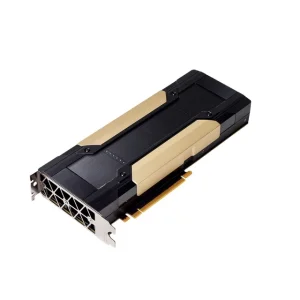
| AI & Deep Learning | High GPU-to-CPU bandwidth, liquid cooling options, fast PCIe bus speeds. | High-density GPU Servers (equipped with V100/H100 PCIe cards), Dell R760 AI servers. | NVIDIA AI Enterprise, PyTorch, Kubernetes (K8s) Cluster. |
| Healthcare & Biotech | Local genomics processing, patient records isolation (HIPAA compliance), 3D medical imaging rendering. | 2U 2-Socket Servers (e.g., xFusion 2288H V6 / Dell R750) with large memory limits. | Proxmox VE, Ceph distributed storage, customized secure BIOS. |
| Smart Factories & IoT | Ruggedized edge computing, dust-proof enclosures, real-time telemetry processing. | 1U short-depth servers (Dell R350), redundant networks. | K3s, Azure Stack Edge, Ubuntu Core. |
Navigating global regulatory landscapes requires more than just high-speed silicon; it demands compliance by design. Enterprises must adhere to regional standards like CE, FCC, RoHS, and UL, alongside data-level compliance matrices (GDPR in Europe, HIPAA in healthcare, SOC2 for cloud services).
Datrix AI Computing Inc. supports compliance from the factory floor. Our customized BIOS/Firmware configuration options enable system integrators to disable or customize remote management microcontrollers (such as IPMI or iDRAC profiles), block legacy ports, and deploy custom cryptographic keys directly onto the hardware. This ensures that when the servers are rack-mounted in the target data center, they align with regional regulatory standards without additional configurations.
Developing custom server platforms requires a tightly integrated supplier network. Located in Shenzhen, the silicon capital of China, Datrix leverages an ecosystem of 1,180+ qualified component suppliers. This geographic advantage shortens hardware development lifecycles and component procurement times.
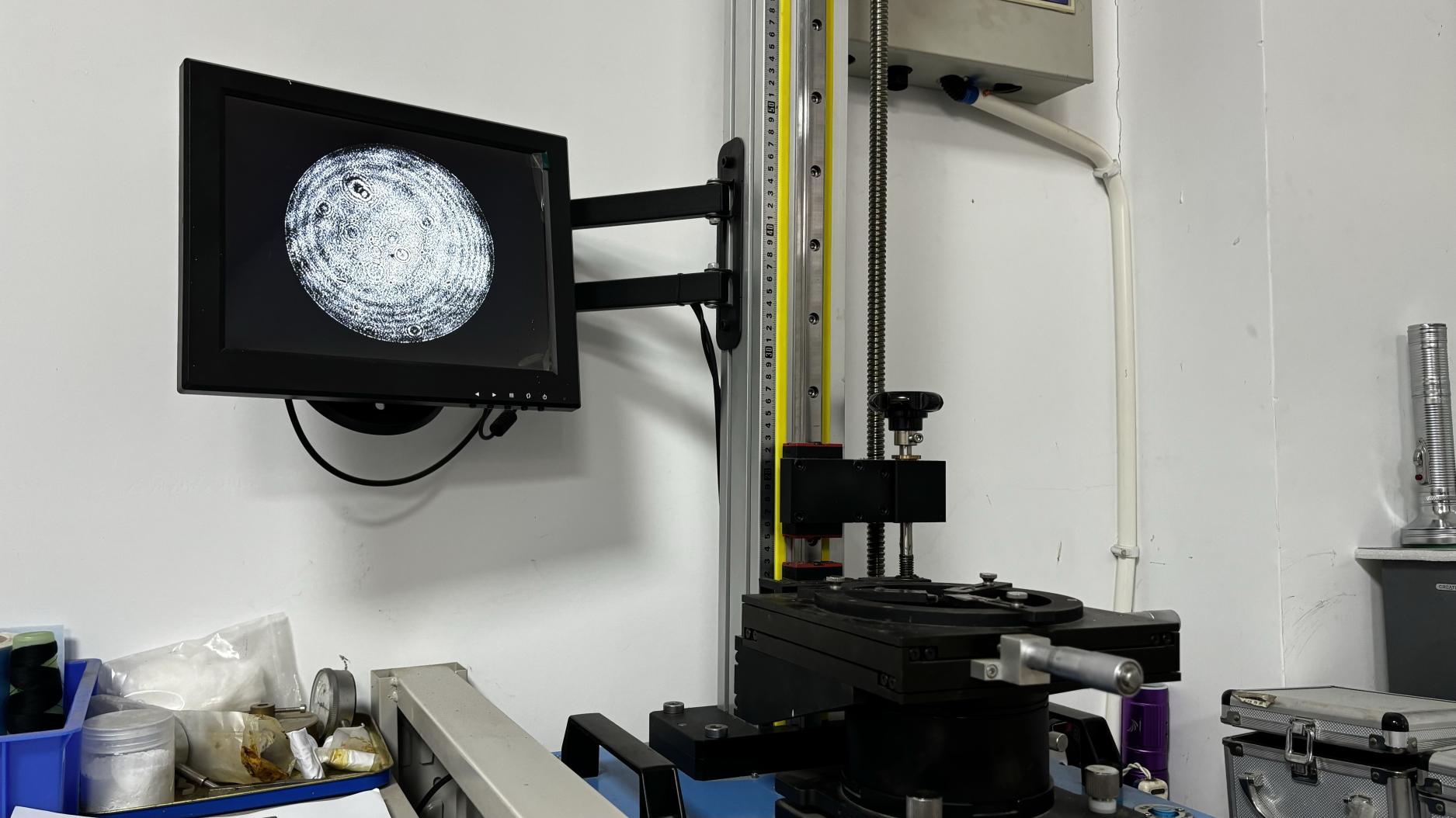
Our factory implements a comprehensive quality testing pipeline to eliminate defects before the hardware leaves the facility. The workflow represents our commitment to reliable private cloud foundations:
By maintaining 100% pre-shipment inspections and utilizing advanced testing software, Datrix keeps RMAs below industry averages. This level of quality management is critical for cloud service providers and system integrators who cannot afford node failures in remote, lights-out edge or hyperscale data centers.
Enterprise buyers do not search for off-the-shelf servers; they source bespoke solutions tailored to specific workloads. Procurement teams focus on Total Cost of Ownership (TCO), customized BIOS parameters, specific firmware validation, and platform longevity.
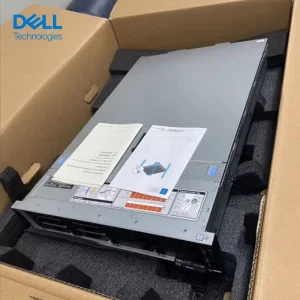
Datrix offers extensive OEM/ODM support, including hardware configuration flexibility (mixing SSD classes, customized RAM sizing like DDR5 6400MHz ECC, specific GPU mounting brackets), custom packaging for safe international transport, and pre-configured BIOS configurations designed to match your software architecture (such as enabling virtualization features, setting PXE boot properties, or enabling hardware-level watchdog features).
Technical answers regarding private cloud server manufacturing, customization, and supply chain logistics.
What are the advantages of sourcing private cloud servers directly from a factory like Datrix?
Sourcing directly from a manufacturer eliminates intermediary markups, providing a transparent pricing structure. More importantly, it grants access to extensive hardware customization (OEM/ODM). You can specify components down to the capacitor brand, request custom BIOS branding, pre-load proprietary software images, and control the hardware lifecycle. This ensures hardware stability over years of operation.
How does Datrix ensure quality control on customized AI GPU servers?
We execute a 100% pre-shipment inspection process managed by our 52 QA specialists. This includes Raw Material Inspection, In-Process Quality Control (IPQC) along the assembly lines, full functional hardware testing, and dynamic burn-in testing under peak operational loads. Our testing confirms the integrity of signal channels, BIOS configurations, memory stability, and heat dissipation before international shipping.
Can you customize the BIOS and system firmware for European or American data center deployments?
Yes, we provide customization for BIOS/UEFI settings, PXE boot configurations, IPMI/iDRAC configurations, and custom cryptographic key injection for security policies. We verify compliance with international regulations (CE, FCC, RoHS) to ensure hassle-free integration in Western cloud environments.
What is the dynamic burn-in test duration, and why is it important for cloud systems?
Our standard burn-in test duration ranges from 24 to 72 hours, depending on configuration complexity. It runs the system under synthetic CPU, GPU, and memory loads at high temperatures. This stress test helps identify potential component infant mortality (early component failure), ensuring that the servers operate reliably once deployed on-site.
How do you support liquid cooling integrations within high-density servers?
We manufacture server platforms (such as the HPE ProLiant Gen12 and customized 2U platforms) equipped to support both standard air-cooling fans and liquid-cooling loop assemblies (including CPU cold plates and quick-disconnect fittings). We work with datacenters to customize server nodes matching their specific coolant and pressure specifications.
Select computing systems, high-density storage drives, and memory profiles for custom system designs.