 Datrix
Datrix
Datrix
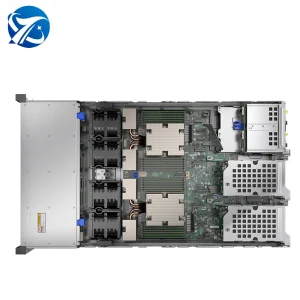
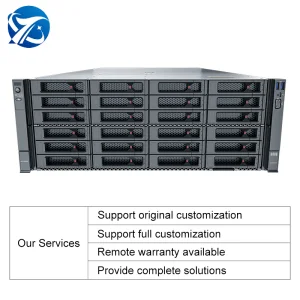
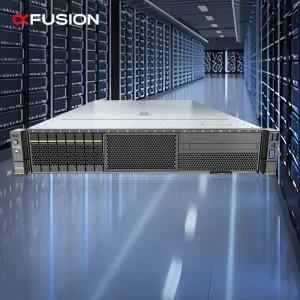
As Japan transitions actively toward Society 5.0, the demand for enterprise computing power has reached historically high thresholds. Modern data centers in the Kanagawa, Tokyo, and Osaka prefectures are confronting a complex dilemma: the pressure to run massive artificial intelligence models—such as localized LLMs (Large Language Models) and deep learning algorithms—while strictly adhering to the country’s stringent energy-saving initiatives (Japan's Green Transformation or GX Policy).
Enterprise IT architects in Japan do not simply look for processing performance. The key requirements lie in the intersection of thermal efficiency, electrical density, and low-latency throughput. In particular, the deployment of hyperconverged platforms, AI-ready GPU architecture, and high-performance Network Attached Storage (NAS) underpins the development of automotive simulation, high-frequency stock trading, and smart factory automation.
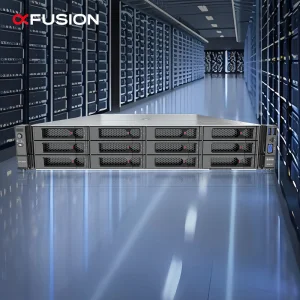
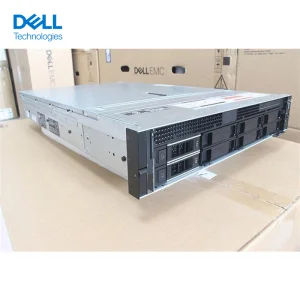
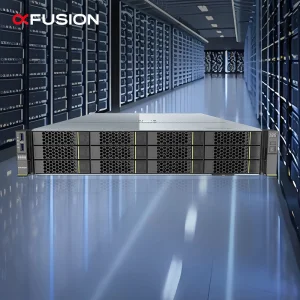
Unlike Western markets, where land for data center campuses is relatively abundant, Japanese infrastructures rely on highly optimized vertical setups. Our xFusion server lines specifically counter these real-estate constraints by delivering higher core density per rack unit, backed by advanced cooling mechanisms. This significantly decreases the Power Usage Effectiveness (PUE) ratio, directly translating to thousands of dollars saved annually in utilities.
Combining world-class production processes with optimized global supply chains, we provide systems custom-tailored for the precise engineering demands of the Japanese industrial market.
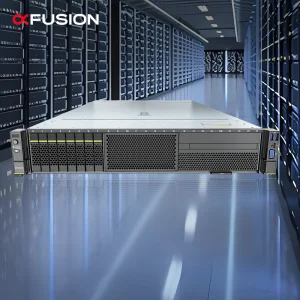
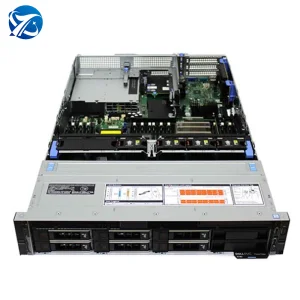
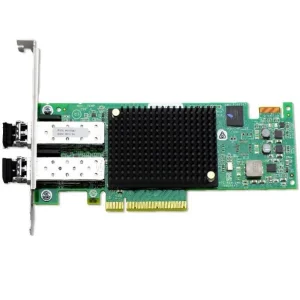
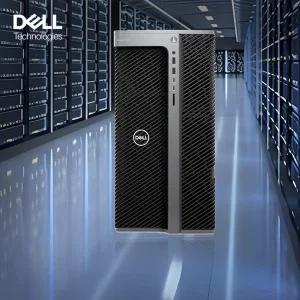
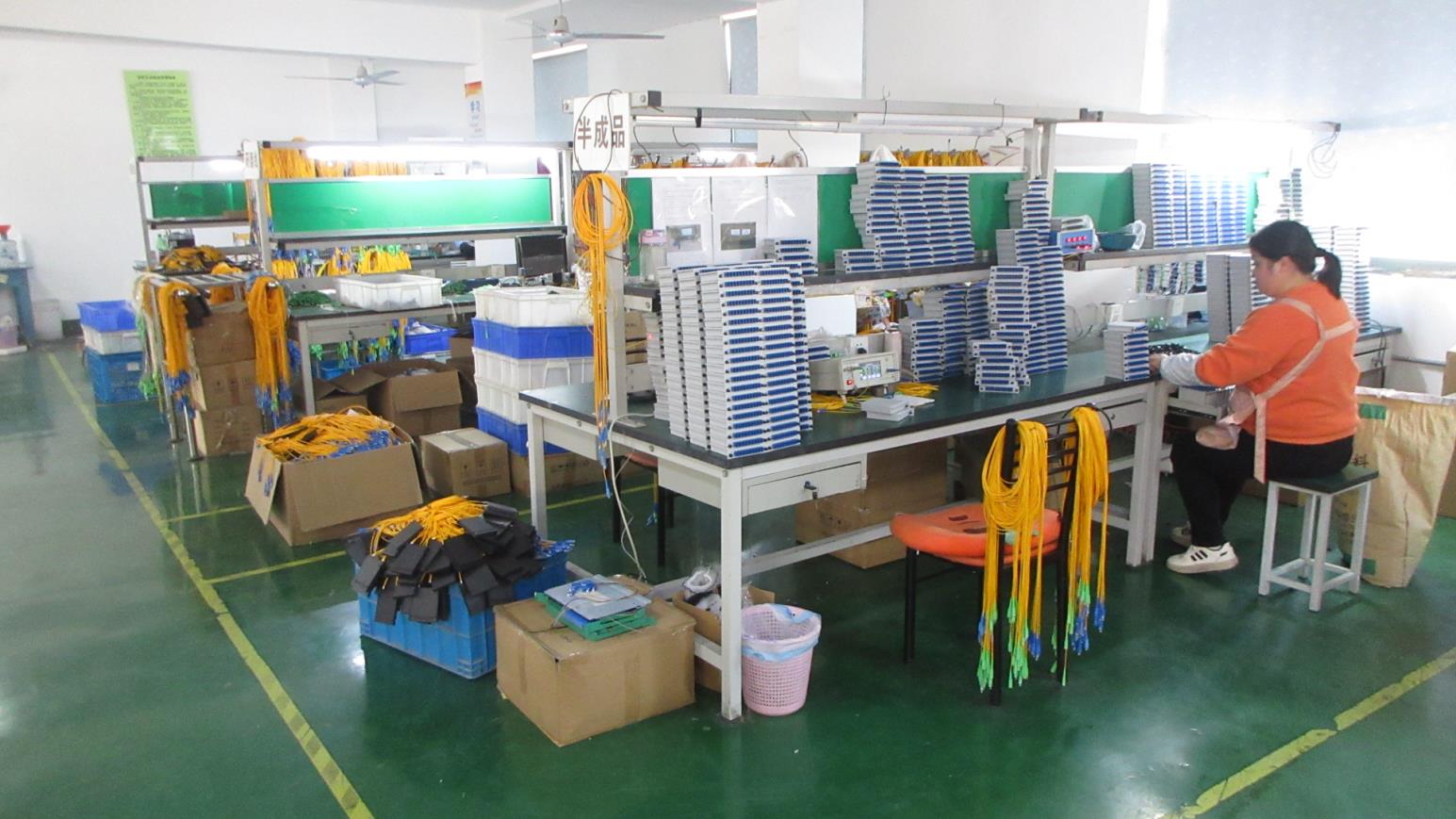
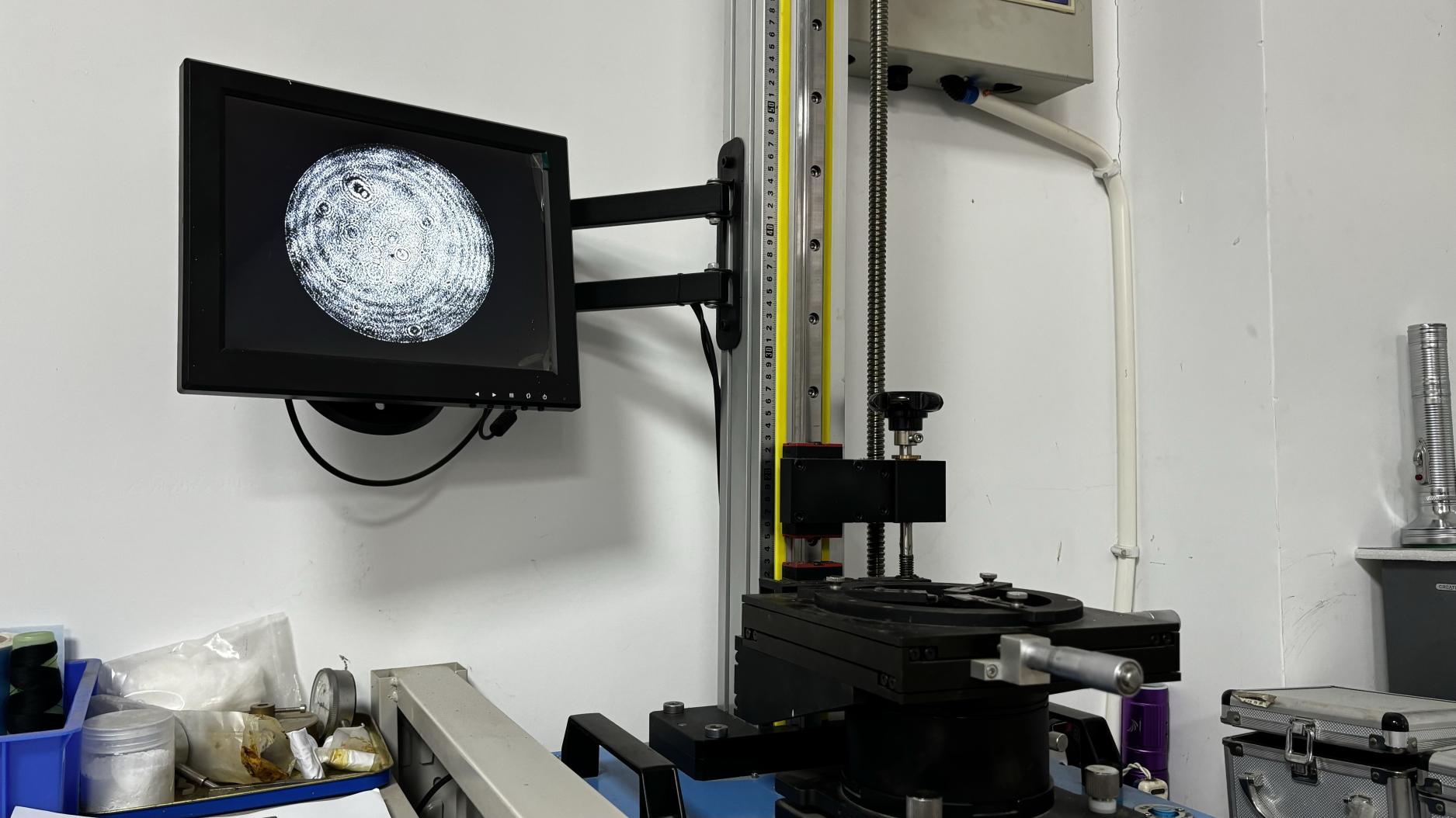
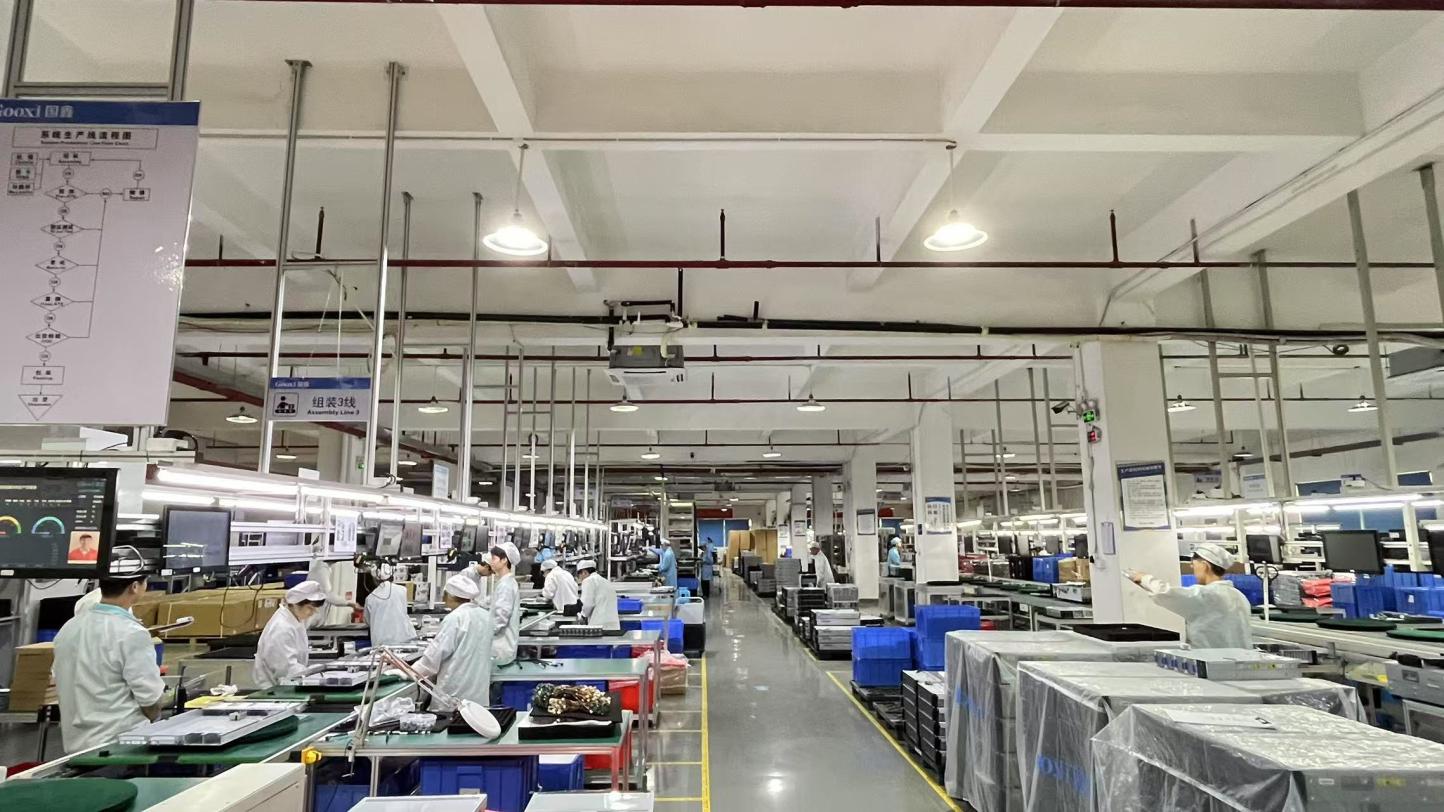
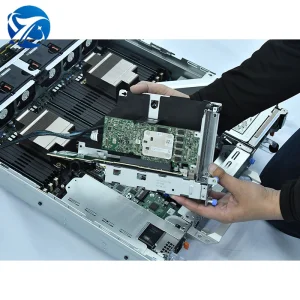
As a leading hardware exporter, Datrix AI Computing Inc. applies a rigid manufacturing and testing process that reflects Japanese principles of Kaizen and zero-defect quality control. Our facility integrates 52 specialized Quality Control inspectors who track every stage of production, starting from bare PCB analysis to intensive thermal profiling.
We work closely with localized software integrators in Tokyo. Whether you require tailored BIOS settings to communicate with local Japanese power supply protocols, customized server bezel designs with your company branding, or pre-installed operating environments (e.g., Red Hat Enterprise Linux, VMware ESXi, or open-source AI frameworks), our 138 research engineers can adapt the configurations to your precise requirements.
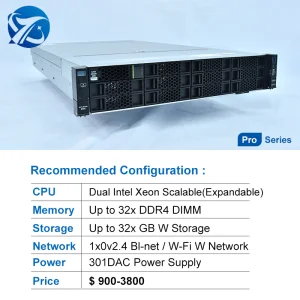
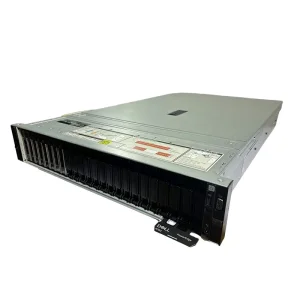
Selecting the correct model is vital to achieve efficient server density and maintain strict energy budgets. The following comparative data highlights optimized xFusion setups for various workloads in Tokyo & Osaka datacenter clusters.
| Server Series | Primary Application Focus | Japan Market Power Compatibility | Cooling Configuration | Key Interface Protocol |
|---|---|---|---|---|
| xFusion FusionServer 2258 V7 | High-density web applications, database nodes | 100V / 200V Auto-sensing, METI Certified | High-speed redundant hot-swappable fans | NVMe PCIe Gen 4/5, OCP 3.0 |
| xFusion 2288H V6 | Hyperconverged Infrastructure, Hybrid Cloud | Dual 1500W Platinum PSUs | Optimized airflow baffle configuration | SAS3.0 / SATA, 10GbE / 25GbE SFP+ |
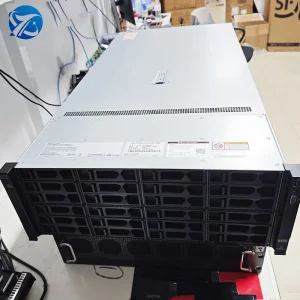
| FusionServer G8600 V7 | Deep learning training, heavy AI LLM processing | 200V - 240V AC 3-Phase standard | Advanced liquid cooling options + heavy fans | PCIe Gen 5 Switch topology, NVLink support |
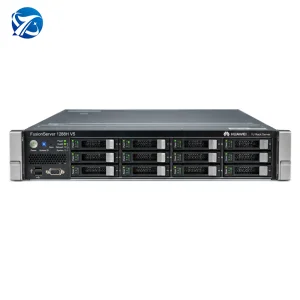
| xFusion 1288H V5 | Edge hosting, front-end caching, space-limited racks | Single/Dual 900W Titanium PSUs | Ultra-thin chassis heat sink channels | 1U compact density profile |
Entering the Japanese IT infrastructure market requires more than just high-performance equipment. Compliance hurdles, language localizations, and customs handling processes are critical checkpoints to ensure project delays do not occur.
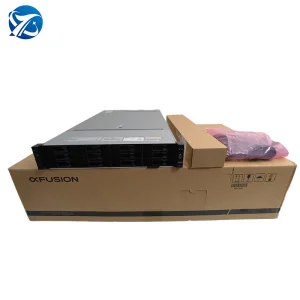
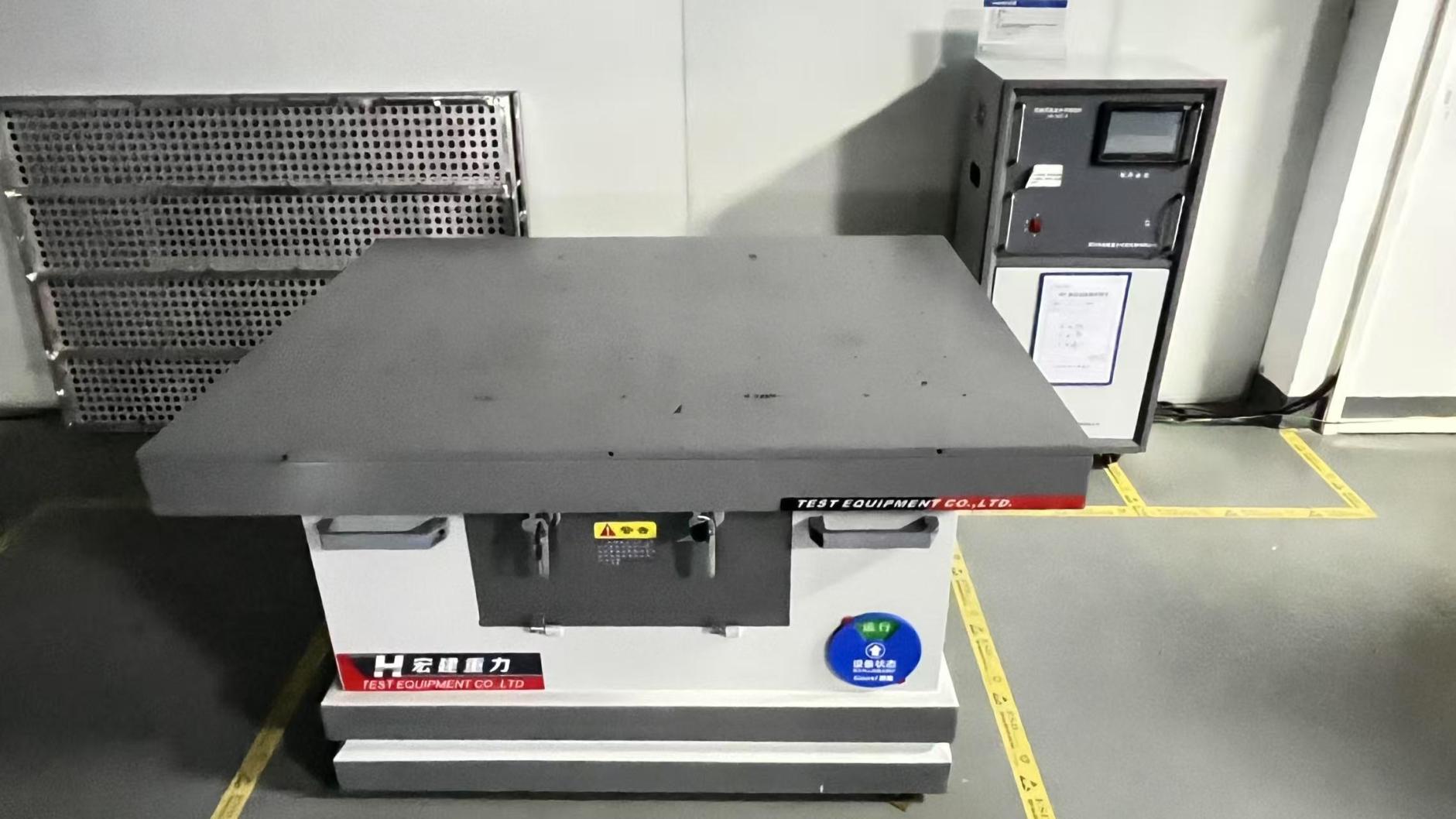
We route our exports through reliable maritime and air channels directly into the Ports of Yokohama, Tokyo, and Osaka. Every server shipment is enclosed in dual-layered, anti-vibration shockproof crating. We supply complete customs declaration records, including the precise Tariff Codes (HS Code 8471.50) and certificates of origin, preventing customs delays and assuring prompt logistics execution.
Datrix-assembled server platforms feature integrated baseboard management controllers (BMC) that support localized IPMI configurations and IPMI 2.0 / Redfish APIs. IT management divisions in Japan can configure out-of-band monitoring dashboards to display parameters in Japanese. Our bios adjustments also enable dynamic threshold notifications for voltage and heat levels, reducing the need for local hands-on technical interventions.
All server units are assembled using component subsystems (power supplies, cabling, fans) that possess PSE and VCCI compliance marking. Power distribution units (PDUs) are tailored to run reliably on 100V single-phase, 200V single-phase, or 3-phase circuits standard in major Japanese datacenters.
Yes, our R&D group specializes in custom firmware settings. We can pre-program secure boot keys, lock in custom IP configurations, pre-allocate hardware virtualization settings (SR-IOV, VT-d), and package pre-installed operating systems like Ubuntu, RHEL, or hypervisors like VMware vSphere before boxing.
For production-ready hardware batches, the manufacturing lead time (which includes the 72-hour burn-in stress verification) ranges from 10 to 15 working days. Freight transit times to the Ports of Tokyo or Osaka range from 5 to 7 days depending on customs queues.
Every single server shipped is accompanied by an extensive Quality Control Passport detailing the results of the Raw Material check, the Functional testing performance graphs, and the Temperature profiles registered during the Burn-in cycle.
Connect directly with our engineering division today to specify your CPU/GPU hardware configurations, get custom BIOS presets, and receive a direct wholesale export quotation.