Datrix
Datrix
Datrix
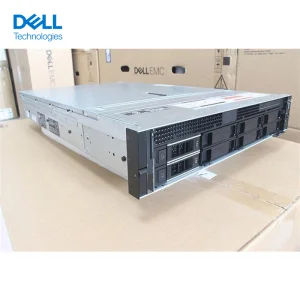
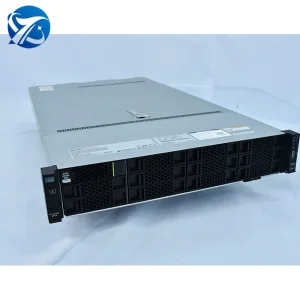
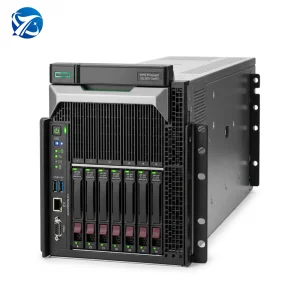
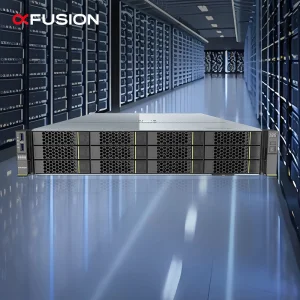
High-performance rack servers, compute nodes, and premium components deployed at the edge and center of modern Software-Defined Network architectures.
As artificial intelligence (AI), machine learning (ML), and massive data pipelines transform enterprise ecosystems, traditional static networks are becoming legacy bottlenecks. Next-generation datacenters require dynamic provisioning, deterministic routing, and rapid re-configurability. This white paper explores the critical role of software-defined networking (SDN) solutions and the leading exporters driving the structural hardware-software decoupling necessary for computing modern hyper-scale workloads.
By segregating the control logic from underlying physical switches and routers, SDN establishes centralized orchestration. Enterprises can dynamically adapt network topologies to handle massive storage I/O, server-to-server interconnectivity, and AI GPU cluster communications.
Software control layers enable multi-tenant isolations, rapid automated provisioning, and micro-segmentation security models. These measures eliminate manually configuring individual network appliances, saving thousands of operational hours.
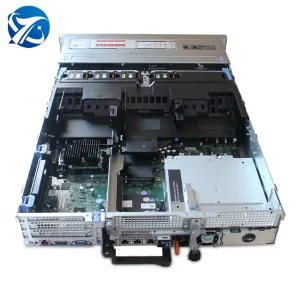
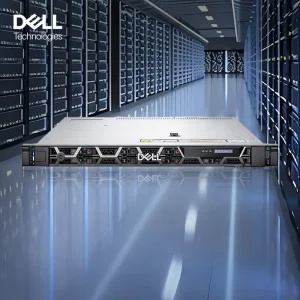
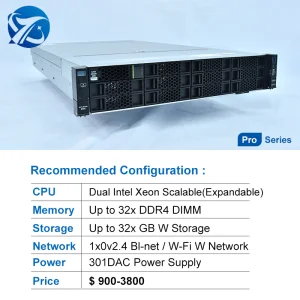
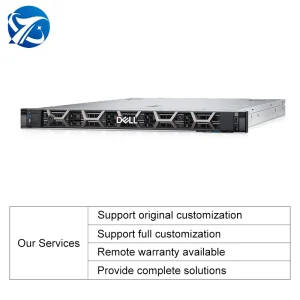
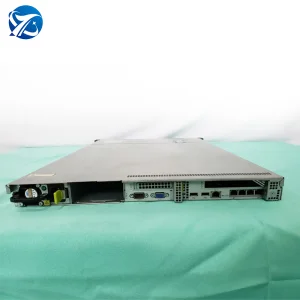
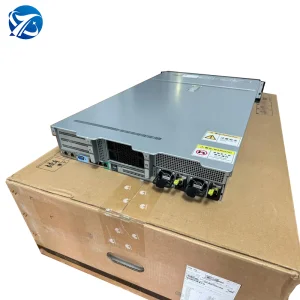
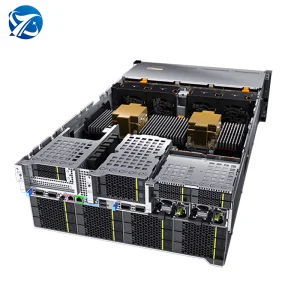
Modern SDN paradigms favor white-box/bare-metal configurations. Choosing the right hardware foundation—ranging from resilient 1U/2U hosts to dedicated power modules and high-speed memory arrays—guarantees stable control execution.
The alignment of SDN frameworks with physical high-density servers forms the core of modern cloud infrastructure development. Emerging technological paradigms are defining how networks scale over the next decade.
Traditional CPU overhead for networking operations is increasingly redirected to programmable smart network interface cards (SmartNICs) and DPUs. This offloads routing, encryption, and virtualization overlays (like VXLAN or NVGRE) from the main host processor. As a result, valuable CPU clock cycles on enterprise compute engines remain dedicated entirely to applications, virtualization instances, and database management.
The transition from proprietary switch operating systems to P4-programmable silicon (Programming Protocol-Independent Packet Processors) gives infrastructure engineers deep packet-level inspection capabilities. Modern SDN exporters specialize in providing physical systems compatible with custom P4 pipelines, allowing real-time telemetry, advanced congestion control algorithms, and proactive traffic engineering.
AI training workloads (e.g., DeepSeek models or heavy neural nets) require synchronous parameter distribution across thousands of GPU accelerators. Standard networking approaches suffer from packet drop and high jitter. The future roadmap of SDN integrates RDMA over Converged Ethernet (RoCE v2) and InfiniBand infrastructures controlled dynamically via software, achieving lossless fabric communication and sub-microsecond latencies.
SDN is not a standalone protocol; it is the central nervous system powering digital transformation across global industry verticals. Implementing the right combination of compute nodes and software control structures resolves major operational pain points.
| Vertical Industry | Primary Network Bottleneck | SDN Architectural Solution | Hardware Enablement Recommendation |
|---|---|---|---|
| Hyperscale Cloud Providers | Tenant isolation, IP pool exhaustion, complex VM migrations. | Dynamic VXLAN overlays managed via centralized controllers. | Dense 1U dual-socket servers, high-speed RAM buffers. |
| Financial & Algo-Trading | Microsecond packet delay, non-deterministic path routing. | Kernel-bypass network drivers, hardware-offloaded switching. | Low-latency processors, dedicated PCIe accelerator slots. |
| AI / LLM Training Farms | Parameter server bottlenecking, node-synchronization latency. | RoCE v2, adaptive routing, and network-embedded aggregation. | GPU-optimized chassis with multiple high-wattage power supplies. |
| Telco Edge & 5G | High orchestration cost at geographically remote cell sites. | Virtual Network Functions (VNF) and Open-RAN deployments. | Short-depth rugged servers, reliable cooling configurations. |
Operating at the intersection of AI hardware engineering and modern network virtualization, Datrix AI Computing Inc. manufactures premium computing equipment, enabling modern software-defined enterprise infrastructures globally.
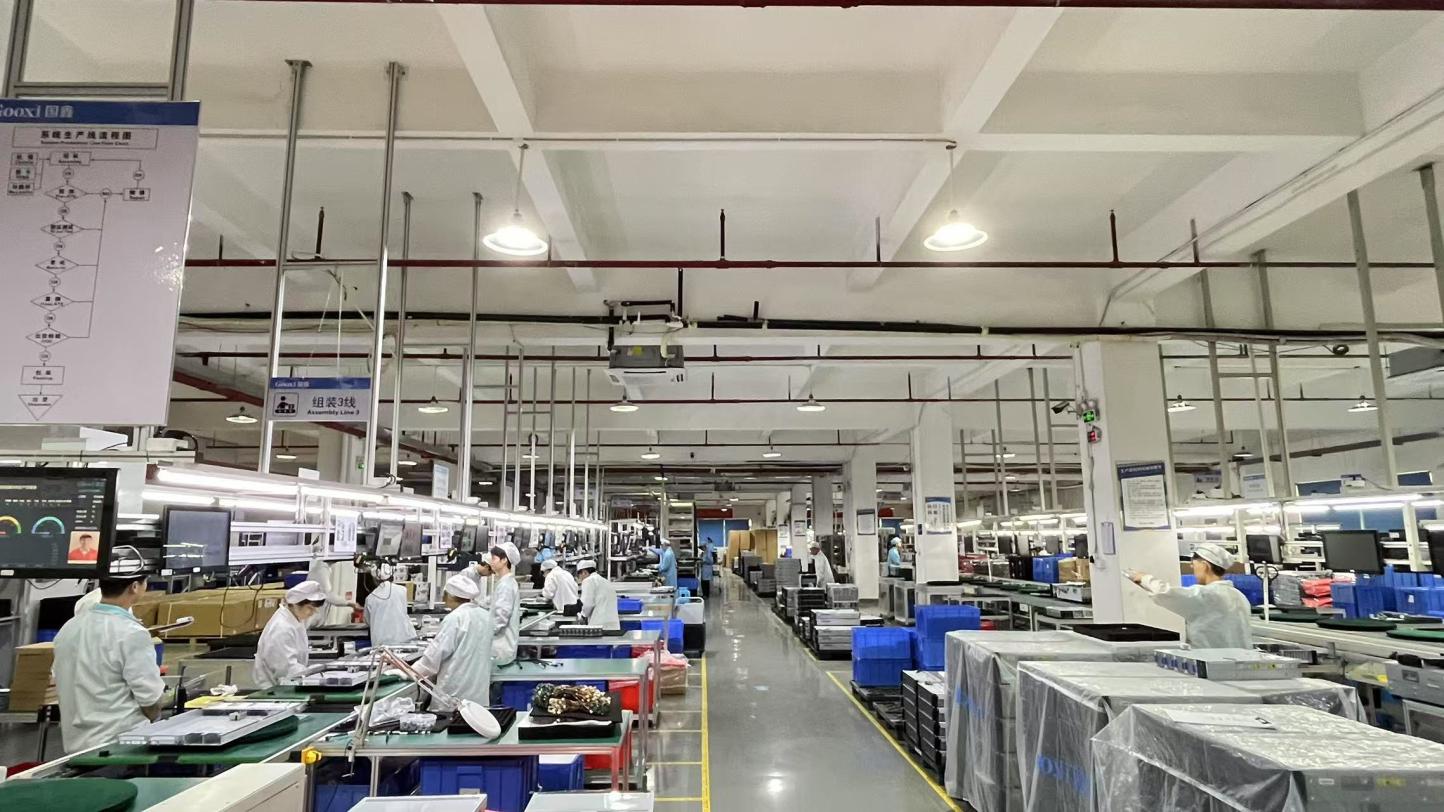
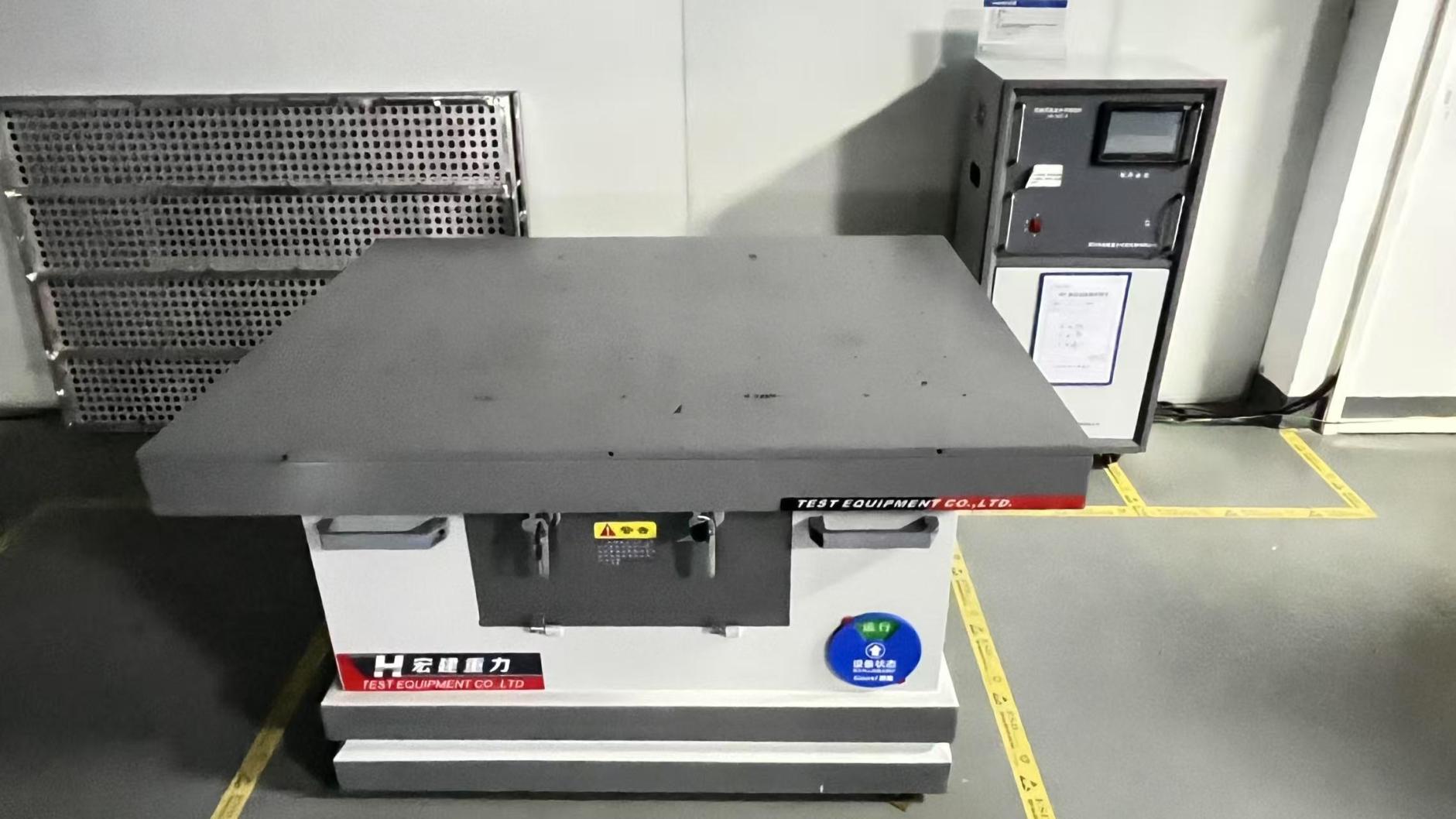
Established on August 18, 2016, Datrix operates a state-of-the-art facility spanning over 18,600 m². The infrastructure supports high-density server integration, comprehensive structural thermal testing, and customized chassis development for global system integrators.
With an active pool of 138 R&D Engineers and 52 dedicated Quality Control specialists, Datrix ensures the hardware hosting your software-defined logic behaves reliably under extreme high-compute loads. Last year alone, they launched 126 new products to meet rapidly changing datacenter requirements.
Operating with more than 1,180+ verified supply chain partners, Datrix guarantees component availability—ranging from high-end memory, high-voltage DC power modules, to custom server chassis—minimizing lead times for urgent infrastructure buildouts.
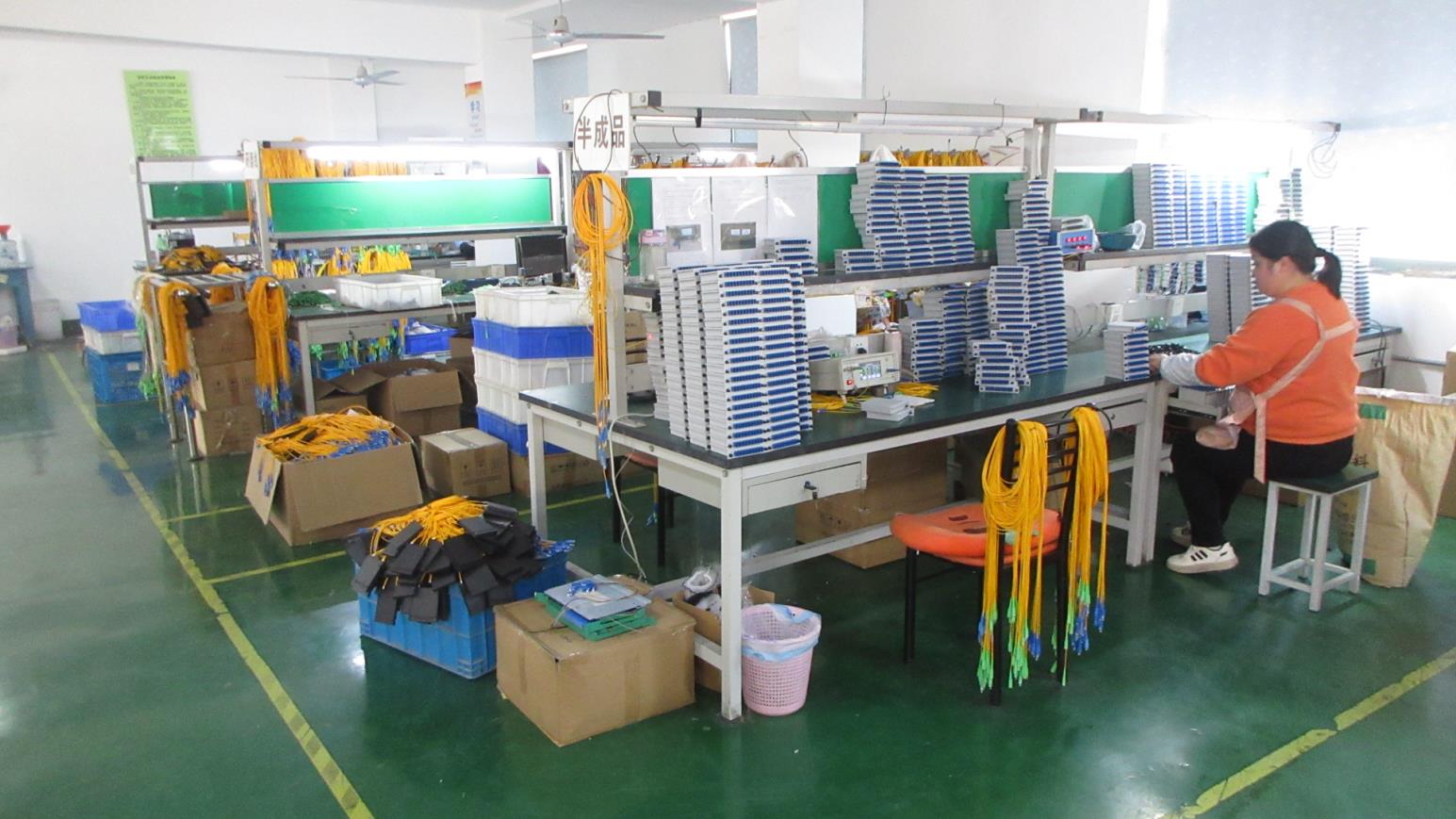
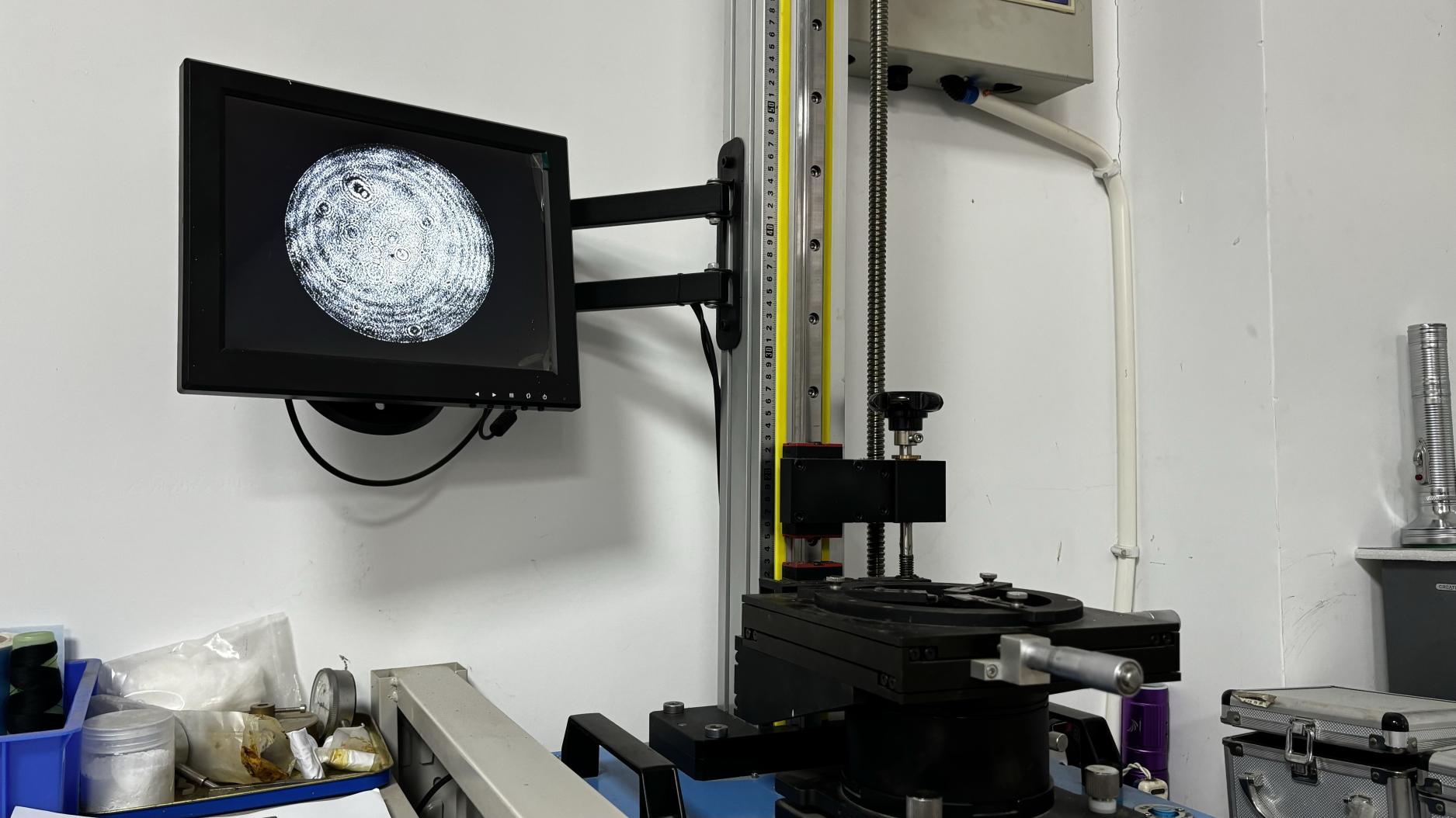
Modern SDN and server hardware deployment requires tight integration of advanced machinery and human expertise. At Datrix's manufacturing plant, Quality Assurance is embedded at every stage of the assembly process.
For organizations deploying proprietary SDN control environments, off-the-shelf hardware configurations may introduce unnecessary components or lack critical features. Datrix provides broad, adaptable customization options:
Procurement executives must evaluate manufacturers on more than just hardware cost. To ensure high network uptime, low maintenance overhead, and seamless international deployments, consider the following parameters:
Validate if the exporter performs 100% pre-shipment inspections and has a high ratio of QC staff relative to production workers. Avoid vendors skipping real-world thermal burn-in procedures.
Ensure the supplier supports custom BIOS and IPMI/BMC configuration, allowing out-of-band management of your SDN switches and controller nodes through a secure, isolated console.
Verify compliance with FCC (North America), CE (Europe), RoHS (Environmental guidelines), and local customs registrations to prevent costly import clearance delays.
The hardware must not be locked to proprietary operating systems. Open-source ecosystem support (like ONIE, Open Network Install Environment) is vital for SDN projects.
Exporting high-performance compute and network hardware requires navigating international commerce regulations. The leading SDN exporters ensure frictionless deployment from factory floor to target datacenter.
Whether routing hardware into North America, Europe, Southeast Asia, the Middle East, or Australia, Datrix works closely with licensed custom brokers to ensure correct HS code classification (typically Chapter 8471 for automatic data processing machines). This systematic approach minimizes import duties and prevents delays at critical entry ports.
With global enterprises prioritizing ESG (Environmental, Social, and Governance) targets, datacenter hardware must minimize active carbon footprints. Using high-efficiency server power modules (such as Titanium/Platinum standard PSUs or custom 1500W HVDC solutions) helps enterprise buyers reduce power distribution losses and heat emissions.
Clear, expert answers to key technical questions commonly raised by network architects and procurement specialists.
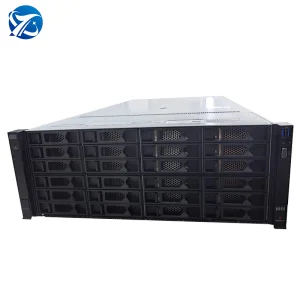
Complete your software-defined datacenter layout with high-capacity storage arrays, modern performance memory, and reliable server frames.
Take a visual tour inside our advanced hardware manufacturing environments, cleanrooms, packaging units, and testing labs.