Datrix
Datrix
Datrix
Premium server platforms optimized for LLM training, deep learning, hyper-scale cloud deployment, and advanced scientific computation.
Analyzing global demand, compute dynamics, and the architectural requirements defining the next generation of accelerated computing.
Modern workloads demand massive scalability. Deploying clusters of NVIDIA HGX H100/H200 or the upcoming Blackwell B200 systems requires seamless host-to-fabric integration. Multi-node scaling is highly dependent on InfiniBand configurations and optimized top-of-rack architectures to bypass standard CPU overhead limitations.
As modern GPUs push performance envelopes, TDP levels now commonly exceed 700W per accelerator card. Traditional air cooling faces significant thermal challenges at scale. Manufacturers are shifting target strategies toward liquid-to-air cooling systems, utilizing direct-to-chip water loops and smart cooling distribution units (CDUs).
High-value training datasets and proprietary large language models (LLMs) represent crucial corporate assets. Securing AI hardware pipelines involves confidential computing, hardware root of trust (RoT) integrated within BIOS/BMC, and end-to-end encryption of in-flight and at-rest telemetry across NVLink and PCIe switches.
Over the last 24 months, the landscape of global industrial computing has shifted irrevocably. The transition from general-purpose CPU-centric data centers to accelerated GPU computing platforms is not simply a trend; it is a fundamental architectural evolution. Enterprises are adopting specialized high-density server nodes to run massive distributed applications including Large Language Model (LLM) fine-tuning, retrieval-augmented generation (RAG) networks, biological structural simulation, and multi-sensor autonomous drive environments. In this high-stakes ecosystem, selecting the right NVIDIA hardware manufacturer is the single most critical decision impacting Total Cost of Ownership (TCO), reliability, and overall computational yield.
The global server market has responded with diverse supply frameworks. While hyperscale public cloud providers rely heavily on custom ODM (Original Design Manufacturer) architectures to power their multi-tenant cloud solutions, standard enterprise clients, research universities, and sovereign AI entities require robust OEM platforms with extensive support matrices, localized deployment engineers, and pre-integrated management software.
Datrix AI Computing Inc. is a professional manufacturer specializing in high-performance AI GPU servers, GPU workstations, and customized computing infrastructure for AI training, deep learning, HPC, cloud computing, and enterprise data centers. With a strong focus on innovation, product reliability, and customer satisfaction, we provide scalable GPU computing solutions for system integrators, distributors, research institutions, and enterprise clients worldwide.
Our experienced engineering team continuously develops advanced server platforms compatible with the latest GPU technologies, delivering outstanding performance, energy efficiency, and long-term stability. From OEM/ODM customization to complete AI infrastructure deployment, Datrix offers flexible manufacturing capabilities and comprehensive technical support to meet diverse customer requirements.
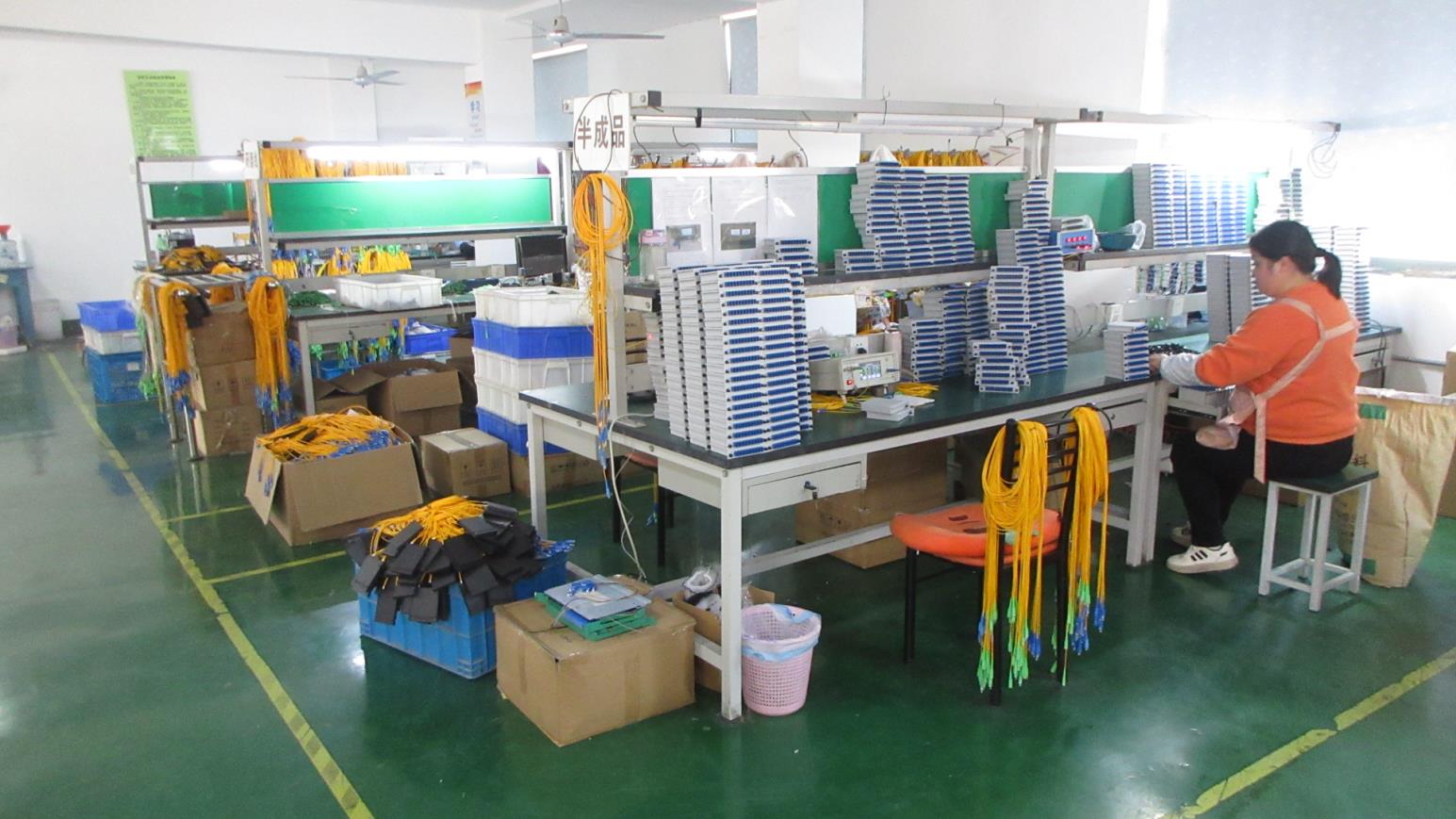
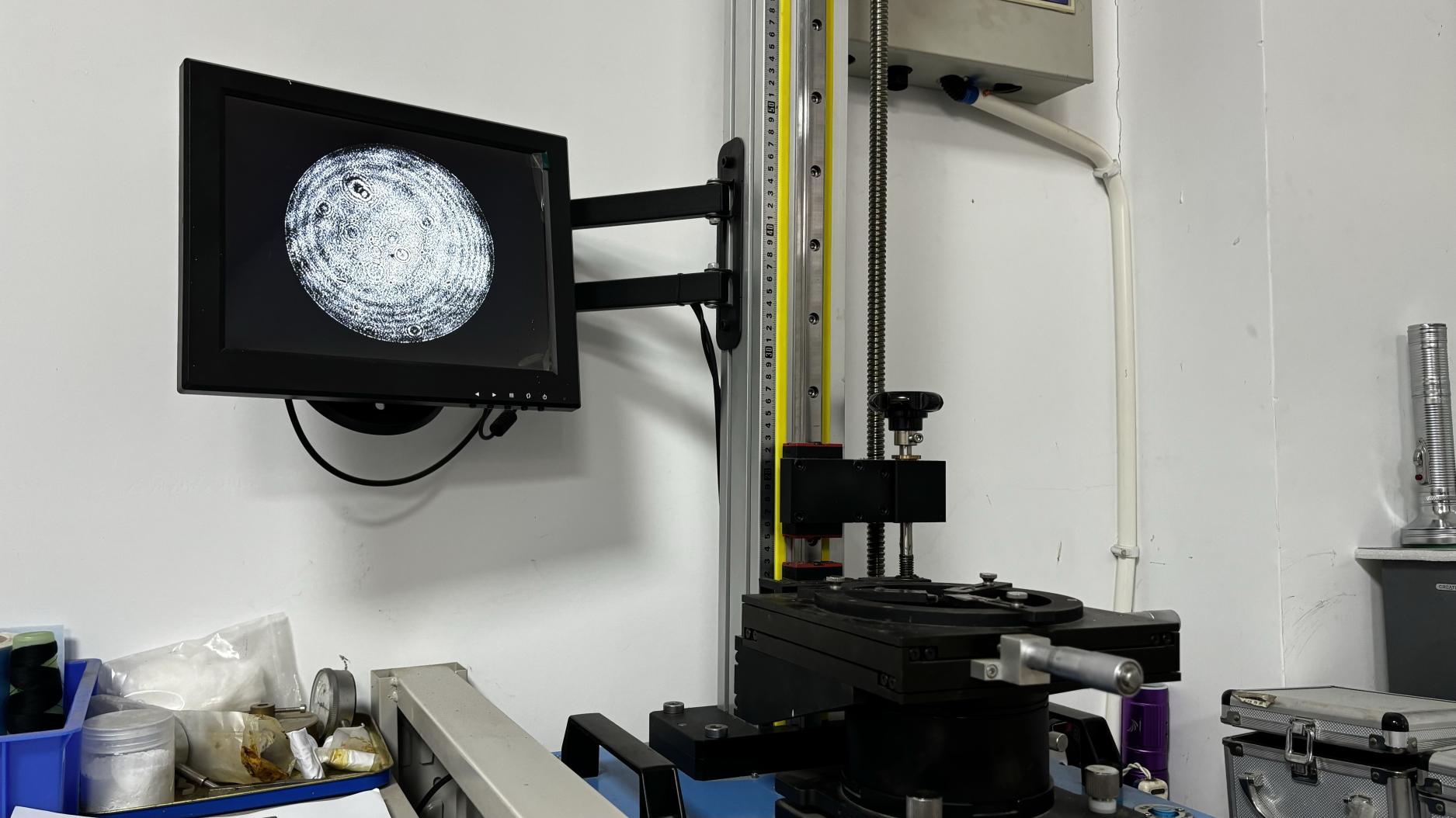

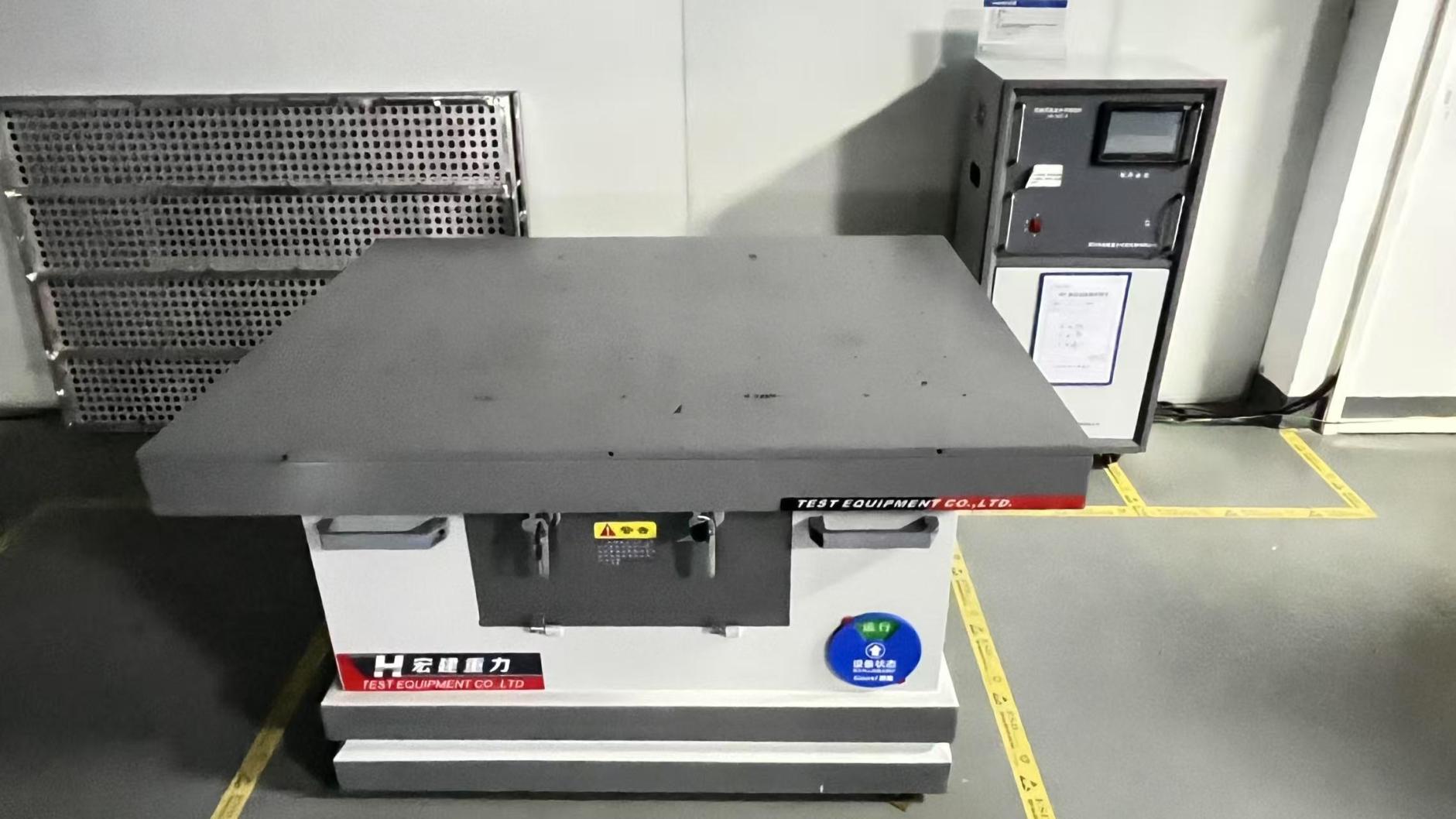
A comprehensive evaluation of the market's leading hardware partners based on scalability, thermal options, global delivery compliance, and time-to-market speed.
| Manufacturer Name | Primary Architecture Focus | Core Strengths / Market Position | Compliance & Certification |
|---|---|---|---|
| Supermicro (Super Micro Computer) | HGX / PCIe GPU / Liquid Cooling | Rapid time-to-market; modular "Building Block" chassis architectural designs. | CE, FCC, RoHS, UL, Global Export Compliance |
| Dell Technologies | PowerEdge / PCIe GPU Systems | Extensive enterprise remote support, OpenManage ecosystem integration. | CE, FCC, RoHS, ISO9001, UL |
| Datrix AI Computing Inc. | Customized GPU Workstations & Servers | Highly agile OEM/ODM customization, 100% pre-shipment burn-in testing. | ISO9001, CE, FCC, RoHS, TUV Certified Standards |
| Inspur Electronic Information | Hyperscale Multi-node / HGX Platforms | Extreme scale capacity for Tier-1 CSPs, high-density chassis configs. | ISO9001, ISO14001, CCC, CE, FCC |
| Hewlett Packard Enterprise (HPE) | ProLiant AI / Cray Cluster Platforms | High performance computing (HPC) software integration, global network. | CE, FCC, RoHS, UL, WEEE |
| Lenovo Enterprise Solutions | ThinkSystem / Neptune Liquid Cooling | Advanced direct-to-chip cooling loops, highly efficient server operations. | CE, FCC, UL, CB, Energy Star |
| Giga Computing (GIGABYTE) | G-Series PCIe GPU / AMD/Intel Host Nodes | Extensive motherboard validation matrix, multi-GPU vendor compliance. | CE, FCC, BSMI, RoHS |
| ASUS Enterprise | ESC series GPU Servers / Edge Compute | Optimized airflow pathways, excellent design for academic workstations. | CE, FCC, BSMI, Energy Star |
| xFusion Digital Technologies | FusionServer / Intelligent Computing | Robust rack infrastructure, strong server virtualization compatibility. | CE, FCC, RoHS, CCC, ISO9001 |
| Foxconn (Hon Hai Technology) | L10/L11 Hyperscale Server Assemblies | Mass production capacity backing Tier-1 cloud system deployments. | ISO9001, ISO14001, Global Regulatory Approvals |
Understanding these suppliers requires mapping their strengths to specific project deployment cycles. For instance, **Supermicro** has excelled by maintaining close physical proximity to Silicon Valley chip makers, granting them immediate developer access to new silicon reference boards. However, for organizations with bespoke structural demands, an agile manufacturer like **Datrix AI Computing** provides a distinct advantage through their customized motherboard configuration, localized firmware modification, and rapid R&D iteration cycles (having launched 126 new hardware configurations last year alone).
Conversely, for large-scale enterprise deployments seeking plug-and-play management suites, **Dell** and **HPE** offer deep software integration layers such as iDRAC and Integrated Lights-Out (iLO), which allow system administrators to manage geographically distributed clusters from a unified dashboard.
Navigating the complex mechanical, electrical, and thermal pathways essential for maximizing GPU throughput and operational lifetime.
System designers must select between PCIe card expansion and SXM integrated boards. PCIe designs offer modularity and simpler component upgrades but limit GPU-to-GPU bandwidth. SXM configurations utilize direct motherboard soldering and custom heat-spreaders, tapping directly into NVLink networks for ultra-low latency cluster communication.
Accelerating calculations creates massive local hotspots. Servers must implement precise multi-zone air channels or integrated liquid loops. Dynamic PWM fan curves coupled with redundant hot-swap fan modules ensure that any individual unit failure does not lead to localized thermal throttling or critical hardware damage.
Modern servers require advanced power delivery infrastructure. Transitioning to CRPS (Common Redundant Power Supply) designs utilizing Titanium efficiency standards (up to 96% efficiency) reduces auxiliary energy waste. Redundant configurations (like 2+2 or 3+1 systems) ensure continuous uptime during transient utility grid drops.
Looking ahead, the next generation of accelerated hardware will be defined by optical bus transceivers, co-packaged optics (CPO), and the wider adoption of PCIe Gen6 interfaces. System architectures are moving away from discrete mainboards toward unified rack designs where resources like memory, storage, and computing elements are pooled dynamically over high-speed optical fabrics.
Furthermore, energy conservation regulations will drive manufacturers to design servers that function reliably under higher ambient temperatures (up to 40°C in standard air-cooled environments and 45°C in direct liquid cooling environments). This transition will drastically reduce the cooling load on facilities, lowering overall data center Power Usage Effectiveness (PUE) scores and meeting strict global sustainability standards.
Ensuring global installations comply with trade agreements, national quality standards, and localized deployment strategies.
Navigating complicated global trade rules is crucial when shipping enterprise GPU systems. High-performance accelerators fall under strict export regulations (such as US EAR guidelines). Sourcing with compliant partners ensures that configurations are delivered with approved hardware, custom firmware, and authorized destination parameters, mitigating legal risks.
To safely run high-density computing platforms, systems must hold regional quality clearances (CE, FCC, RoHS, UL, VCCI, and CCC). These marks verify that the server systems comply with strict electrical safety standards, electromagnetic interference (EMI) controls, and hazardous material regulations, ensuring clean, hazard-free installations.
Governments and localized enterprise operations increasingly require data residency and operational sovereignty. This creates demand for domestic AI infrastructure options where system management and support pathways remain completely localized, avoiding risk vectors related to remote telemetry access or foreign data custody.
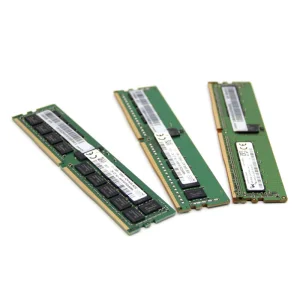
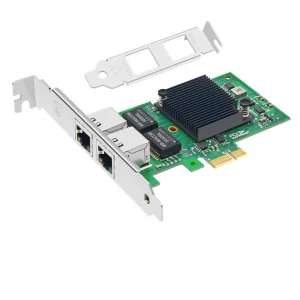
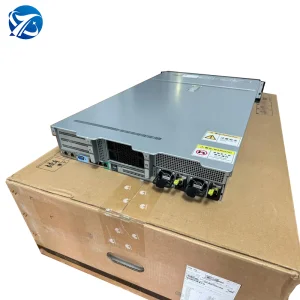
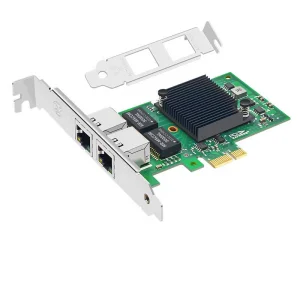
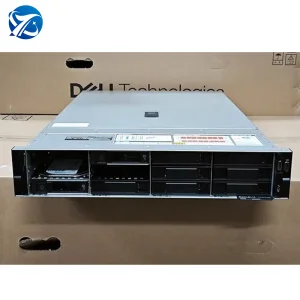
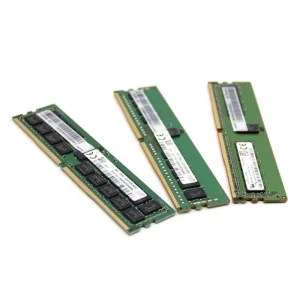
Complete your deployment with certified RAID controllers, system memory, and scalable storage expansions designed for 24/7 reliability.

In-depth insights addressing standard procurement questions, technical deployment challenges, and supply chain logistics.
SXM (such as SXM5) provides direct-on-board GPU connectivity using high-bandwidth NVLink channels, allowing GPUs to communicate with minimal latency and high bandwidth. This setup is ideal for complex distributed LLM training. PCIe configurations offer modularity, allowing GPUs to be swapped or upgraded in standard PCIe lanes, but they operate at lower GPU-to-GPU bandwidth, making them better suited for mid-range inference and virtualized workloads.
Datrix AI employs a comprehensive multi-tier quality control protocol. This process begins with raw material inspections of incoming PCBs and ICs, followed by In-Process Quality Control (IPQC) during manufacturing. Post-assembly, all hardware undergoes functional testing and a rigorous burn-in test under full load to identify component vulnerabilities. Finally, Final Quality Control (FQC) verifies the software stack, firmware, and custom configurations before shipping.
Direct liquid cooling (DLC) uses liquid loops to route cool water directly over high-TDP components like GPUs and CPUs. This approach is significantly more efficient than air cooling, which struggles to dissipate heat from high-density racks. Liquid cooling prevents thermal throttling, allows systems to run continuously at peak performance, reduces power consumption from fans, and helps lower the overall facility PUE.
Evaluating TCO goes beyond the initial hardware purchase price. Buyers must calculate energy efficiency (aiming for Titanium-rated PSUs), ongoing cooling costs (air vs. liquid), software licensing, management tools, and support contract overhead. Furthermore, choosing custom OEM/ODM manufacturers like Datrix can lower initial acquisition costs and reduce downtime through tailormade BIOS/BMC firmware that matches specific enterprise workflows.