Datrix
Datrix
Datrix
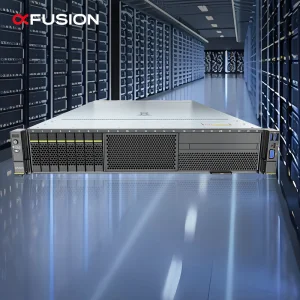
The global data center ecosystem is undergoing a generational shift. No longer limited to hosting corporate emails and file servers, today's data center infrastructure operates as the central engine for global industrial transformations, artificial intelligence pipelines, and real-time cloud analytics. The emergence of LLMs (Large Language Models) such as DeepSeek, GPT-4, and specialized transformer systems has led to an exponential surge in demand for accelerated computing nodes. Traditional hyperscale setups are transitioning toward high-density GPU infrastructure that can sustain massive parallel operations.
In this dynamic marketplace, selecting the right partner from the top data center solutions suppliers is critical. Modern enterprises demand servers that are not only powerful but also optimize performance per watt and thermal dissipation. With server power densities moving from 10kW per rack to over 100kW per rack, parameters such as liquid cooling, high-throughput network interfaces, and customizable OEM/ODM server motherboards have become the standard metrics for evaluating enterprise computing solutions.
Deploying modular computing clusters engineered to support maximum rack efficiency while reducing total physical footprint in hyper-scale environments.
Integrating advanced cooling methodologies including direct-to-chip liquid cooling and rear-door heat exchangers to maintain optimal performance.
Designing secure server hardware configuration stacks that comply with local data protection, data residency, and environmental mandates globally.
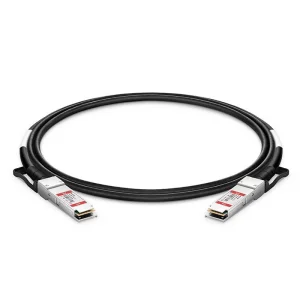
The industry's technical trajectory is driven by performance scaling, energy efficiency, and network fabric evolution. Modern system designs prioritize components that eliminate latency bottlenecks across nodes. The adoption of PCIe Gen 5.0 and Gen 6.0 standards has enabled faster communication lanes between the CPU, system memory, and GPU accelerators. In addition, high-speed interconnects (such as QSFP+ and QSFP56-DD optical systems) are essential to prevent networking overhead from stalling multi-billion parameter AI training operations.
At the architectural level, the emergence of CXL (Compute Express Link) enables memory pooling across processing nodes, allowing systems to share volatile memory reserves dynamically. As the industry moves toward green infrastructure, data center solution suppliers are engineering servers to achieve a Power Usage Effectiveness (PUE) ratio closer to 1.0. This involves hardware-level energy optimizations, intelligent BIOS management, and using server components that operate safely at higher ambient temperatures.
By 2026, over 70% of enterprise-level data centers will use AI-optimized hardware platforms. The integration of high-density storage arrays, dual-socket processor designs, and customizable firmware architectures will be standard requirements for modern enterprise infrastructure deployments.
A professional manufacturer specializing in high-performance AI GPU servers, custom rack solutions, and reliable computer infrastructure engineered for global scale.
Datrix AI Computing Inc. manufactures AI GPU servers, GPU workstations, and custom server infrastructure engineered for deep learning, AI inference, HPC, and enterprise workloads. We deliver custom server configurations that support current-generation GPUs, delivering scalable processing capabilities, heat management, and operation stability for systems integrators, cloud providers, and research centers worldwide.
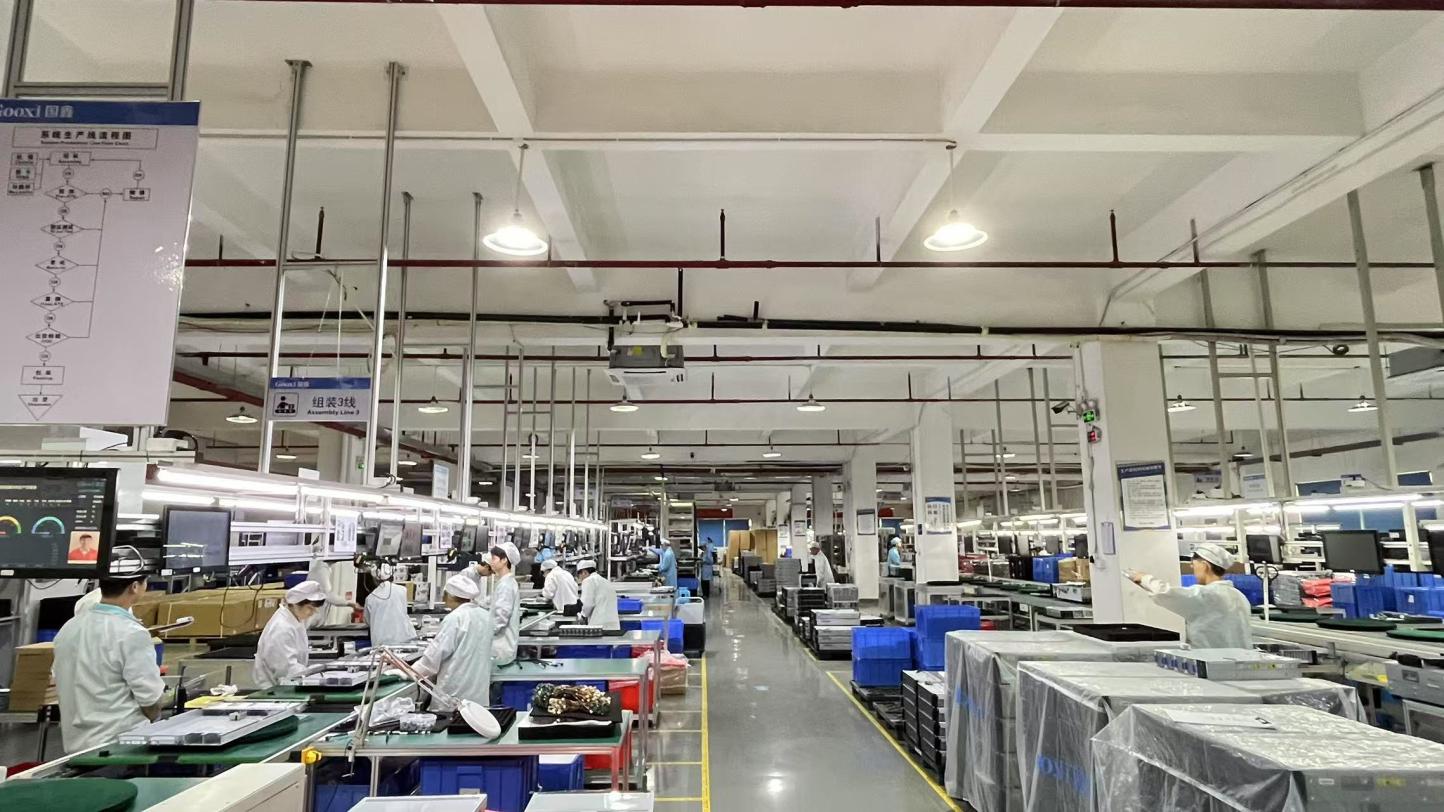
With 12 years of industry experience and 7 years of global export history, Datrix combines custom R&D with OEM/ODM production processes. Our 18,600 m² manufacturing facility is equipped to handle complex builds, including chassis design, customized BIOS/firmware, software pre-installation, and multi-component hardware integration. Every server node undergoes pre-shipment inspection processes to ensure field reliability.
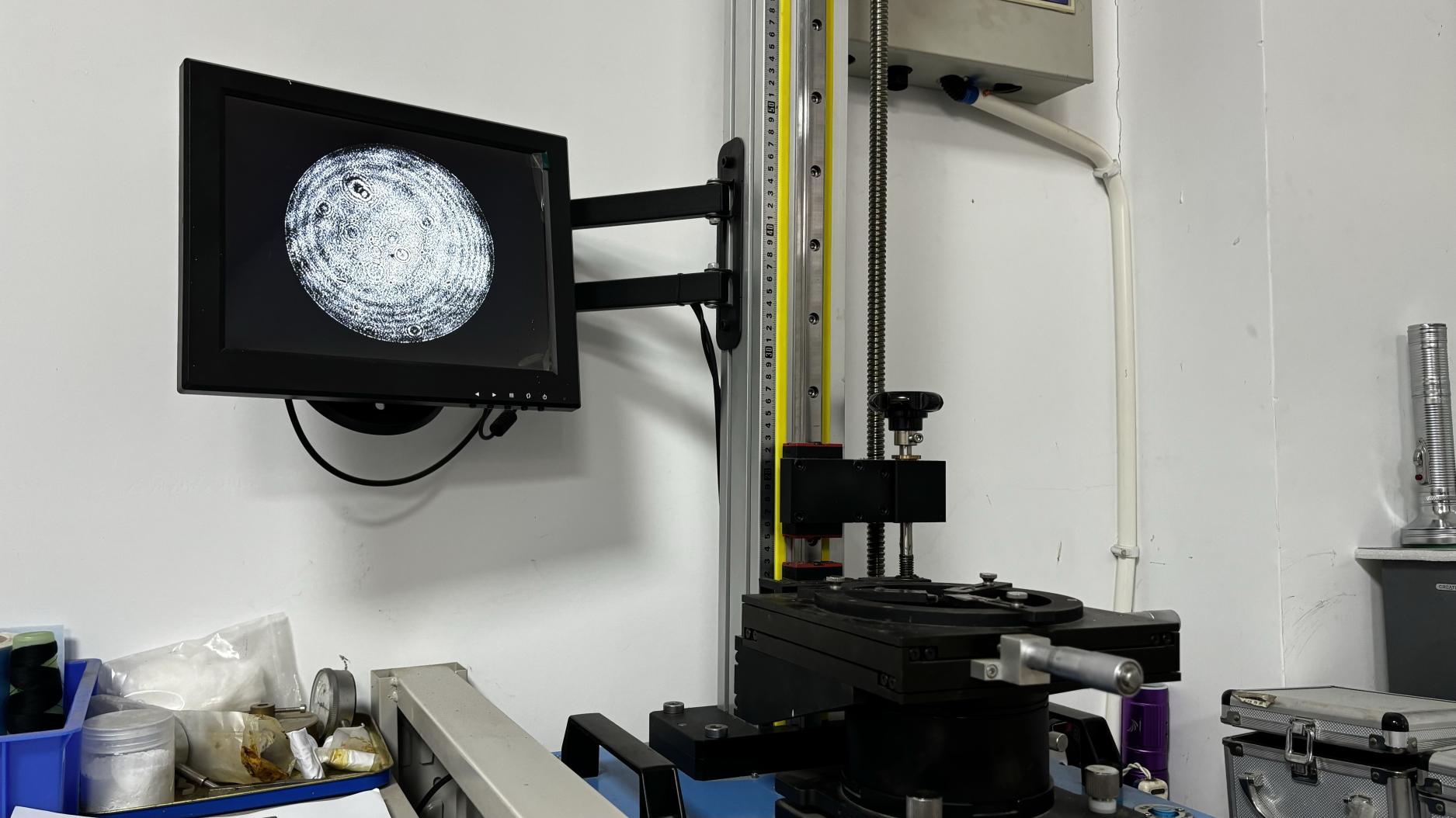
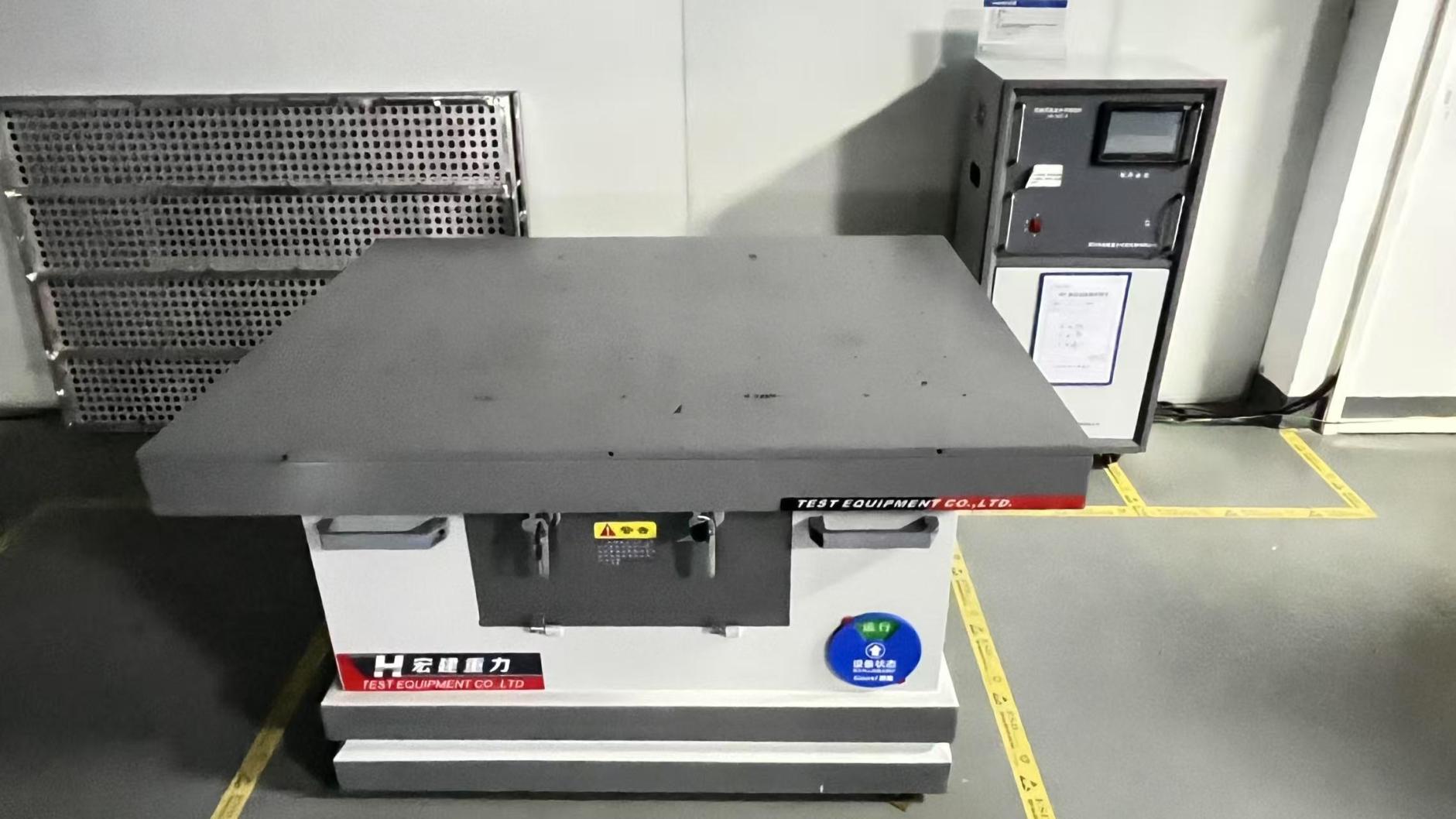
We perform 100% pre-shipment inspections. Our quality assurance protocol includes Raw Material Inspection, In-Process Quality Control (IPQC), Functional Testing, Burn-in Testing, and Final Quality Inspection (FQC) managed by our team of 52 QC professionals.
Datrix provides hardware and software customization, including server chassis design, logo styling, customized BIOS/firmware profiles, dynamic hardware configurations (RAM, storage, GPUs), and preloaded operating systems or container engines.
Our engineering team developed and launched 126 new hardware profiles last year. This ensures that our server architectures adapt to shifting hardware standards, power designs, and cooling topologies.
Modern workloads require optimized server configurations. The selection of compute systems must align with the primary operational tasks they are built to run. Below are the core computing configurations designed to meet modern industrial and enterprise requirements:
AI model training requires low-latency communication across multi-GPU environments. Enterprise systems utilize server layouts that maximize PCIe lanes, enabling direct peer-to-peer data transfers between GPUs. This reduces memory bottlenecks, optimizing performance for large-scale training pipelines, neural network construction, and deep learning analytics.
Cloud service providers require modular hardware to support virtualization and containerized microservices. Multi-socket rack systems equipped with dynamic processors allow resources to be allocated as needed. High-speed networking cards (up to 10Gbps or higher) ensure fast data transport, supporting high-density container orchestration platforms like Kubernetes.
Scientific research platforms, financial modeling algorithms, and physical simulation systems require high double-precision computing power. These configurations pair high-frequency server processors with fast DDR5 system memory and NVMe arrays, ensuring consistent performance for data-intensive research projects.
Regional differences in energy regulations, climate requirements, and compliance standards influence how data center platforms are designed and deployed globally.
Expert technical insights to help guide hardware procurement and system optimization decisions.
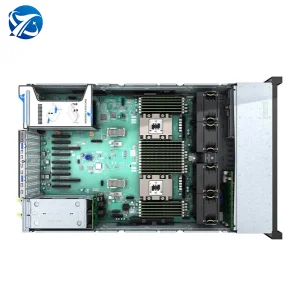
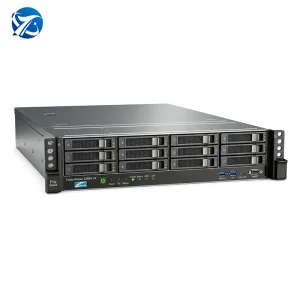
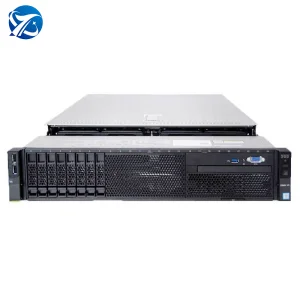
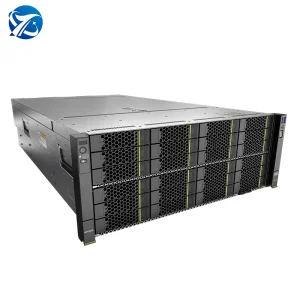
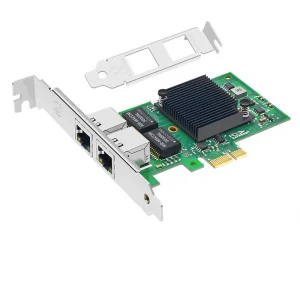
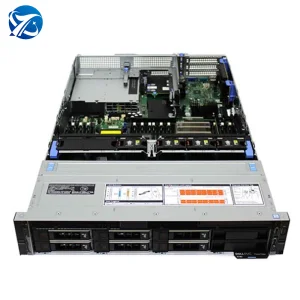
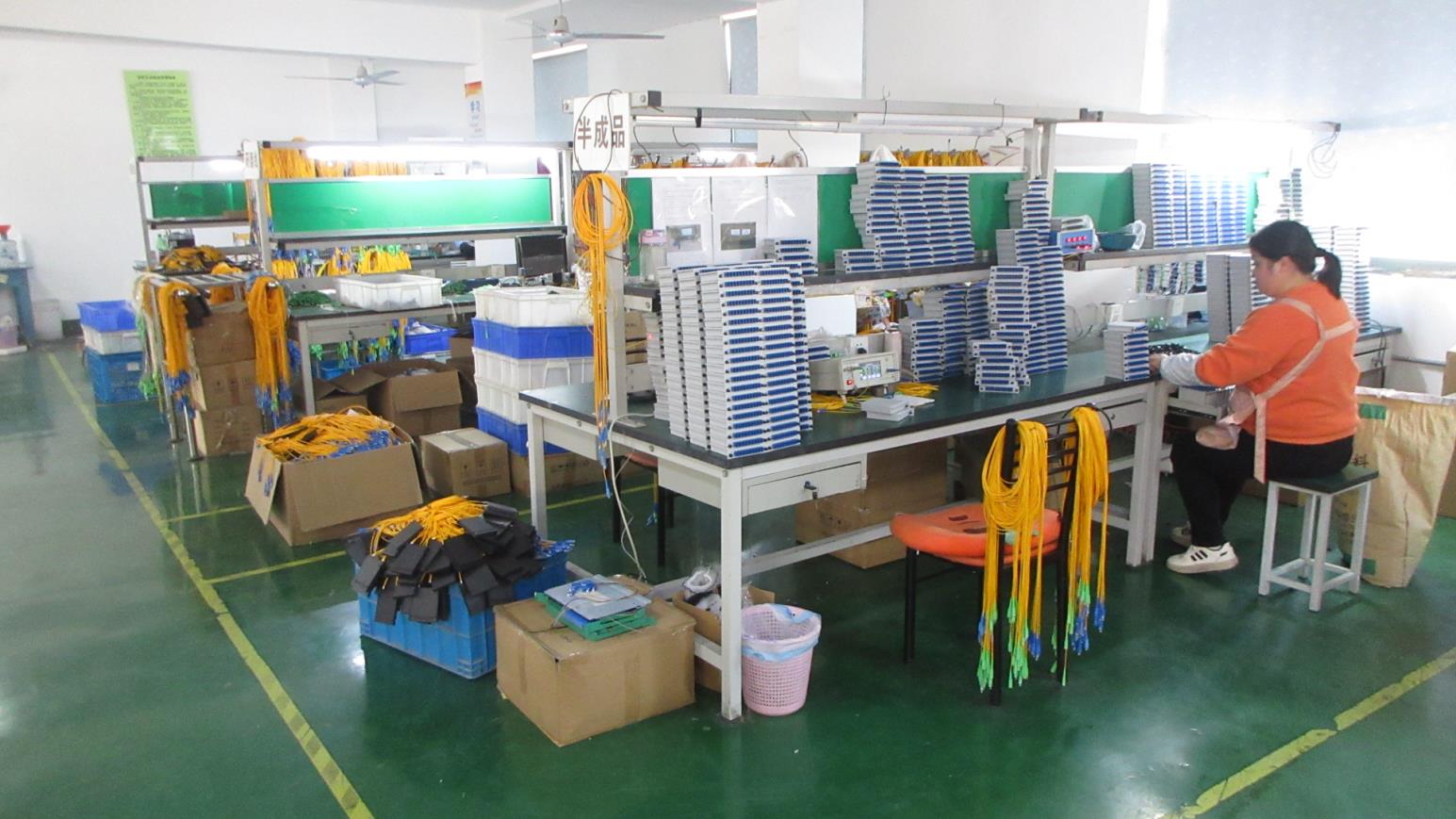
Inside our manufacturing workshops, showing the raw materials section, integration lines, burn-in chambers, and quality verification steps.