Datrix Datrix

Custom OEM Data Analytics Tools Factories & Exporters

Pioneering High-Performance AI GPU Computing, Server Clusters, and Big Data Compute Infrastructure Solutions for Global Enterprise Analytics Workloads.

Datrix AI Computing Inc. – Dynamic Manufacturing Base

As a premium global developer and exporter, Datrix designs the solid-state structural foundations that fuel advanced data analytics tools, deep learning pipelines, and predictive algorithms.

18,600 m²
Modern Production Area
USD 28M
Annual Export Value
138
Dedicated R&D Engineers
12 Years
Heavy Industry Expertise

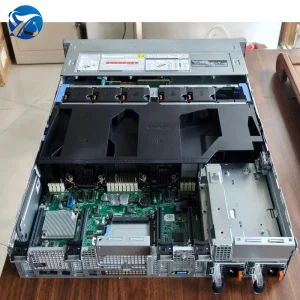
Datrix AI Computing Inc. is a leading manufacturer specializing in high-performance AI GPU servers, heavy workstations, and bespoke cluster platforms designed for artificial intelligence training, deep learning, HPC (High-Performance Computing), cloud infrastructure, and predictive big data analytics workflows. Our corporate strategy links the agility of custom hardware design with the raw power needed for processing complex algorithms, creating a robust, low-latency foundation for modern enterprise application systems.

With more than a decade of technology-focused operational excellence, we serve system integrators, AI engine providers, international distributors, scientific institutes, and enterprise-grade clients. Our factory is equipped with dynamic testing, burn-in environments, and detailed configuration services, facilitating comprehensive system personalization from physical chassis branding to custom firmware, kernel loading, and board-level optimization.

Full OEM/ODM Versatility

Tailor hardware systems with Custom BIOS, multi-GPU topology configurations, custom structural steel casings, and proprietary software packages.

100% Pre-Shipment Inspection

Rigorous multi-stage checkouts including raw component testing, IPQC loops, full thermal burn-in, and FQC validation under synthetic workloads.

Global Supply Networks

Connected with 1,180+ verified industrial suppliers. Fast logistics and distribution channels across North America, Europe, SE Asia, and Australia.

Whitepaper: Transforming Raw Silicon into Data Intelligence

In modern enterprise environments, software-based data analytics tools cannot perform efficiently in isolation. Modern workflows like real-time anomaly detection, semantic web queries, spatial modeling, and deep learning analytics require optimized, physical compute backbones. Without high-bandwidth system topologies, ultra-fast NVMe storage arrays, and low-latency network interface controllers, analytical platforms encounter significant processing bottlenecks.

Information Gain: Defining "Bare-Metal Analytics"
High-performance bare-metal servers designed for analytics minimize virtualization overhead. By optimizing PCIe Gen 5 configurations directly to individual GPU roots, analytics databases achieve high read/write speeds, enabling systems to execute operations on petabyte-scale datasets.

Global Commercial & Industrial Landscape of Compute Hardware

The global analytics market has evolved from batch processing systems to real-time predictive analytics. This change has shifted requirements from generic server hardware to specialized, dense computing configurations. In heavy manufacturing, autonomous driving systems, global financial modeling, and genomic research, system latency has become a critical operational metric.

Globally, enterprise infrastructure purchasers are shifting away from rigid public cloud models toward cost-effective hybrid models. Utilizing custom OEM server platforms allows companies to control data access paths, decrease latency, optimize power consumption, and control total cost of ownership (TCO) at scale.

The China Factory Advantage: Manufacturing Agility & Prototyping

China is a key hub for computing technology manufacturing due to its comprehensive ecosystem, which supports rapid prototyping and manufacturing of advanced computing systems. Shenzen-based facilities like Datrix integrate board design, thermal simulation, sheet-metal tooling, and high-speed signal integrity testing into one unified location.

This localized supply chain ecosystem allows for fast iteration cycles. An OEM chassis concept can progress from CAD rendering to physical steel assembly, BIOS testing, and safety certification within weeks, compared to several months for other manufacturing regions.

Local Application Scenarios & Customization Use Cases

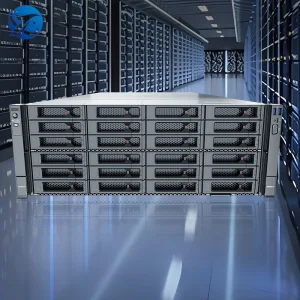
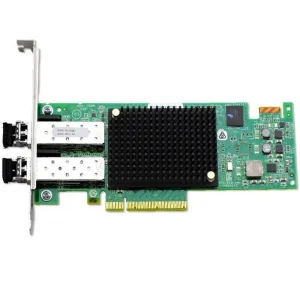
  • Quantitative Finance: Custom rack systems configured with ultra-fast solid-state drives and Emulex host bus adapters to capture and analyze high-frequency trading data.
  • Deep Learning & AI Analytics: Computing systems featuring high-power power distribution boards and GPU sockets, engineered to support open-source neural networks and DeepSeek AI architectures.
  • Edge Industrial Internet-of-Things (IIoT): Compact 1U and 2U systems deployed in harsh factory environments to analyze machinery vibration patterns and prevent equipment failures.
  • Genomic Sequencing & Medical Imaging: Systems utilizing multi-channel memory layouts to manage massive datasets, enabling fast medical discovery.

Global Industry Trends (2025–2030)

The server industry is adjusting to three major technological changes:

  1. Liquid-to-Air Cooling Integration: As modern processors run at higher wattages, liquid cold plates are becoming a standard option alongside air cooling systems.
  2. Compute Express Link (CXL): The adoption of CXL technologies is enabling shared memory pools across CPUs, GPUs, and custom accelerator chips.
  3. Sustainable Power Usage: Operators are demanding servers that offer high performance-per-watt ratings to meet strict environmental requirements.

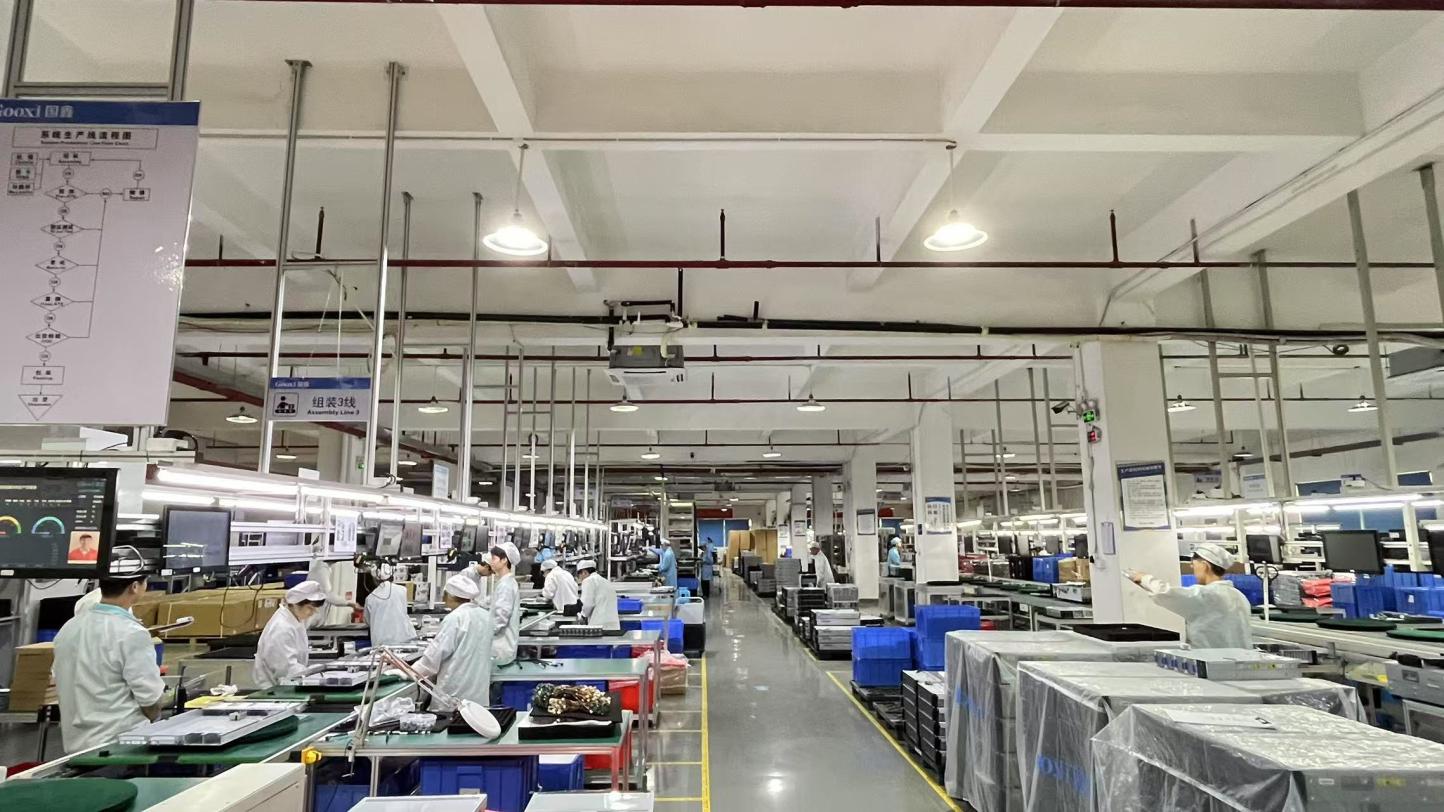
Advanced Manufacturing & Assembly lines

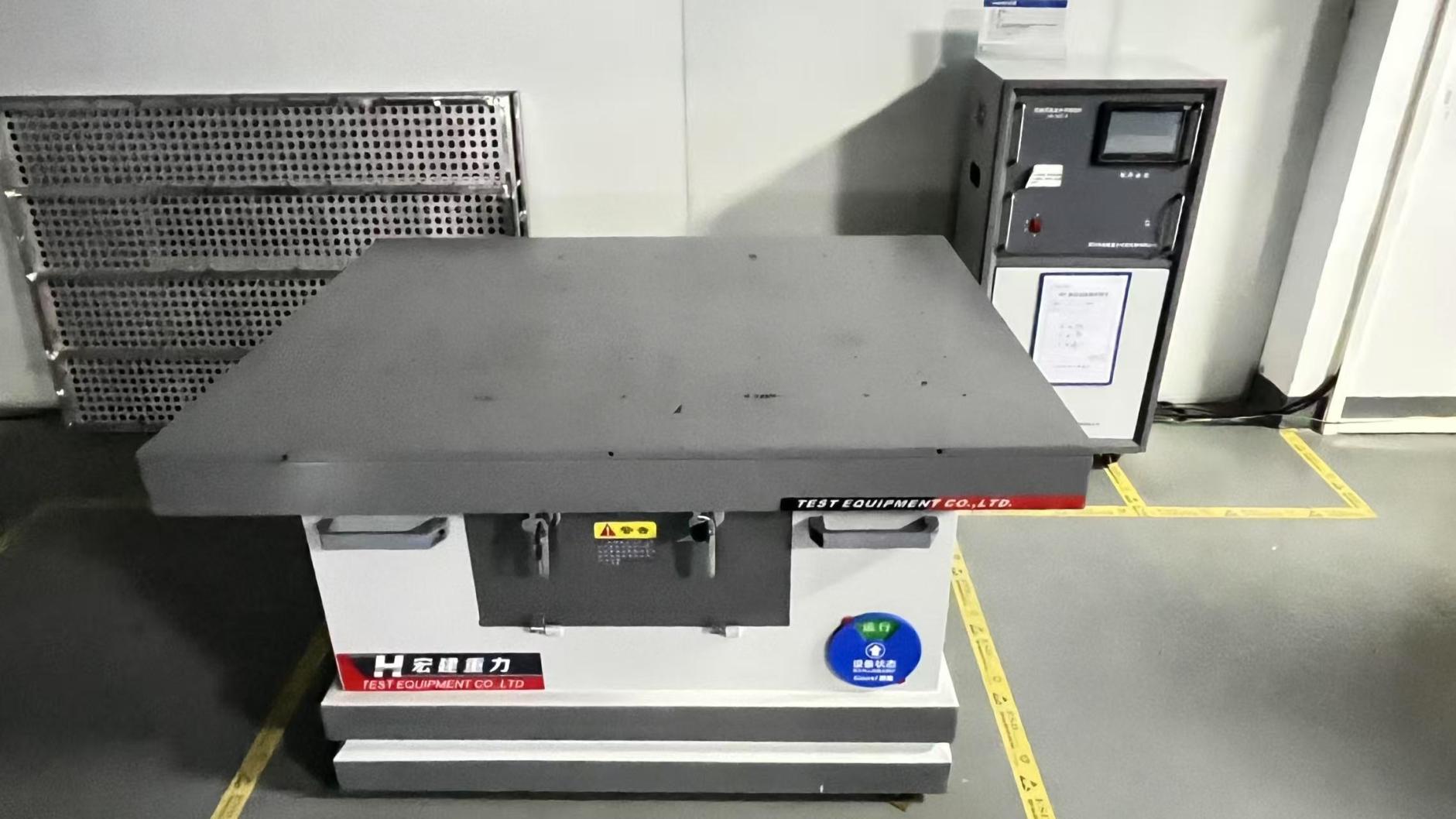
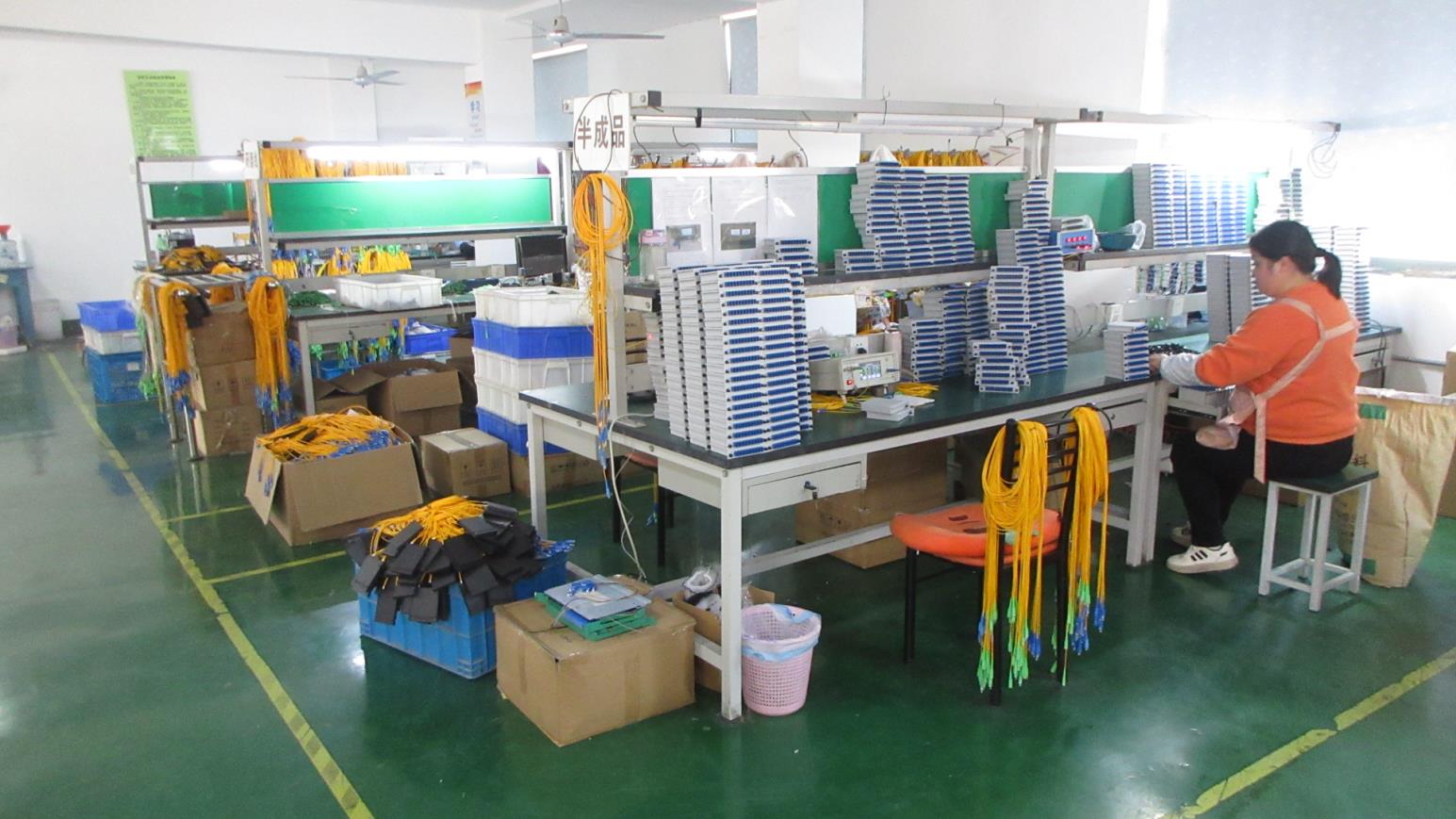
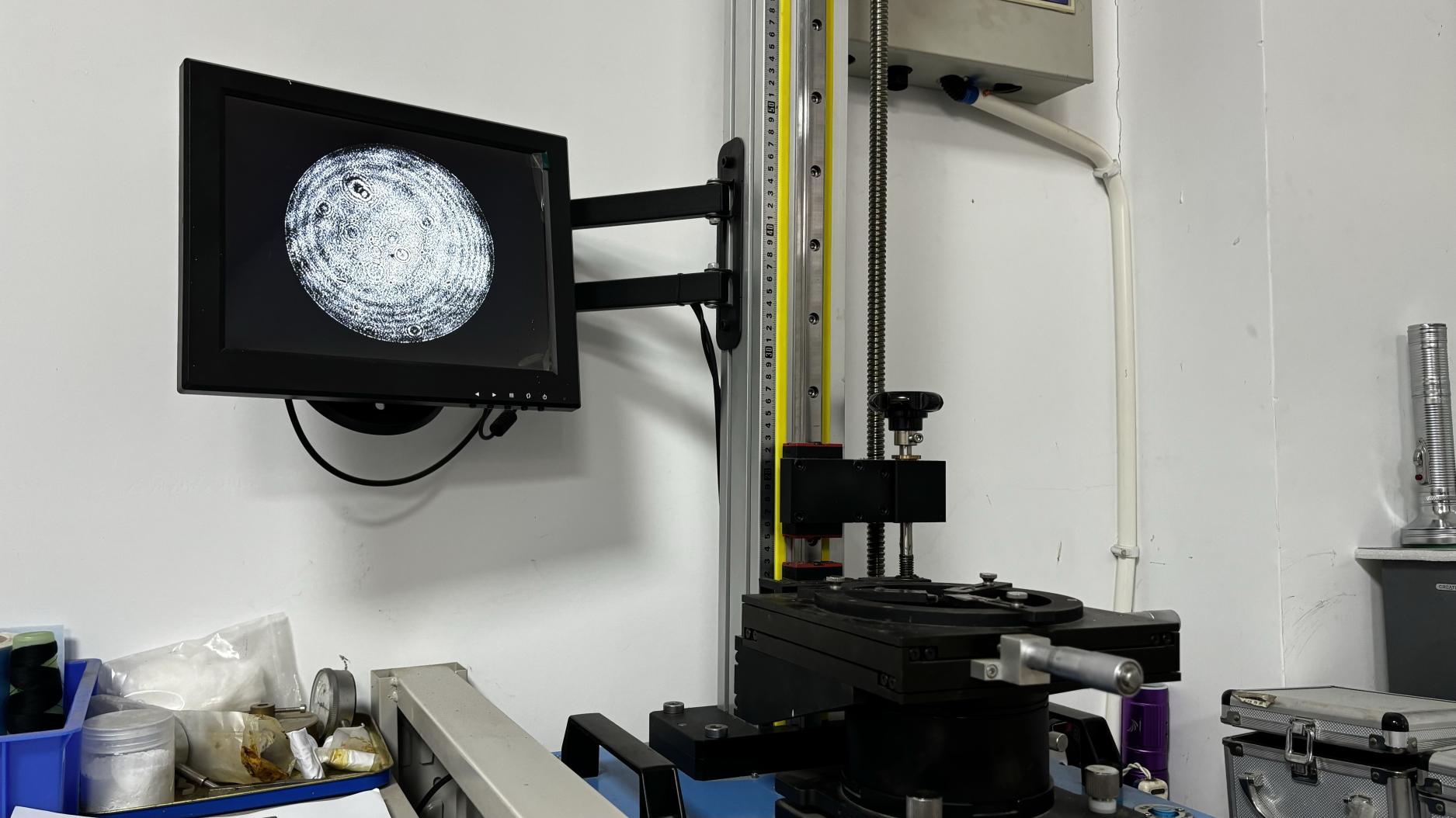
Inside Datrix AI Computing Inc.: Take a visual tour of our ISO-certified production lines, automated testing chambers, and global logistics packaging centers.
Global Enterprise Procurement Strategy & Hardware Selection

When procurement managers purchase computing infrastructure to run high-performance analytics applications, evaluating system specifications requires a detailed evaluation methodology. Selecting components simply based on price can result in system bottlenecks, poor thermal performance, and unexpected downtime.

Key Evaluation Metrics for System Integration

  • PCIe Lane Configuration: For heavy analytical processing, look for systems that support PCIe 5.0 lanes directly routed to the processors without bottlenecking switches.
  • Thermal Dissipation Factor (TDF): Ensure system fans can manage high heat outputs under continuous load, maintaining stable operating temperatures.
  • Firmware Customization (BIOS/IPMI): Verify the system management controller supports secure remote access (IPMI 2.0) and custom BIOS configurations for remote management.

Hardware Quality Assurance Standards

At Datrix, we address failure risks by implementing standard testing protocols. Every rack server undergoes a full thermal burn-in cycle inside a controlled test chamber. Our 52 QC inspectors use advanced diagnostic software to verify memory stability, CPU operations, and network data throughput before shipping. This process helps ensure reliability and high performance out of the box.

Frequently Asked Questions (FAQ)

Technical clarifications, custom options, and processing policies from our global hardware engineering desk.

Q1: What hardware options are available for custom OEM data analytics platforms?
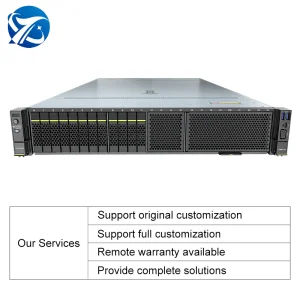
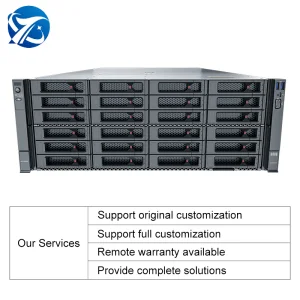
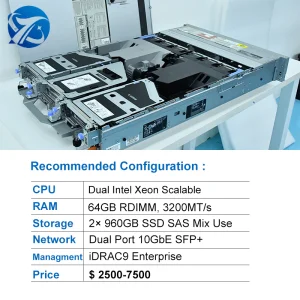
Datrix provides complete OEM and ODM customization services, including custom-branded chassis, custom front bezels, bios branding, specific PCIe configurations, tailored thermal layouts, pre-installed software images, and custom packaging.
Q2: How does Datrix ensure server reliability for continuous data processing workloads?
We follow a five-stage quality control process: Raw Material Inspection, In-Process Quality Control (IPQC), Full Functional Diagnostics, extensive dynamic Burn-in Testing under heavy processing loads, and Final Quality Control (FQC) validation.
Q3: Do these server models support PCIe 5.0 and DDR5 memory modules?
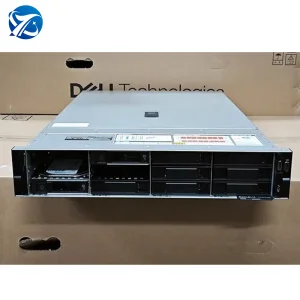
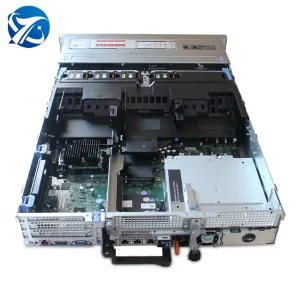
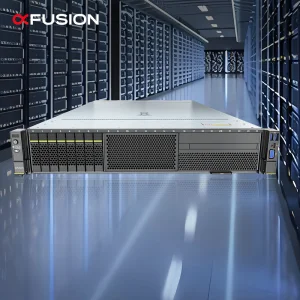
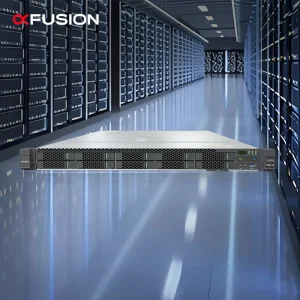
Yes, our newest range of xFusion and Dell systems support next-generation PCIe Gen 5 configurations and DDR5 ECC system memory, providing the high speeds needed for heavy databases.
Q4: What is the production lead time for customized hardware configurations?
Standard systems in stock ship quickly. Custom OEM projects typically require 2 to 4 weeks for initial prototyping, followed by 3 to 5 weeks for full production run orders depending on components.
Q5: Can you pre-install databases or custom software solutions before delivery?
Yes, we provide software integration services. We can load custom operating system versions, container platforms, AI packages, or custom telemetry software at the factory.
Q6: Are the server models certified for international export?
Yes, all export systems comply with relevant international standards, including CE, FCC, RoHS, and CCC, ensuring safe deployment in global enterprise sites.
Q7: How do you handle warranty claims and technical support requests?
We offer comprehensive hardware warranties. Replacement parts are dispatched quickly from regional hubs, and our technical support line is available for diagnostic assistance.
Q8: Do you supply accessory parts like network adapters and RAID cards separately?
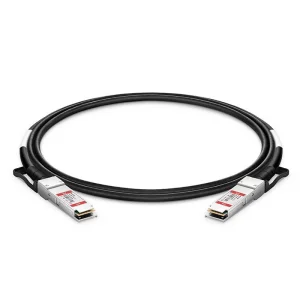
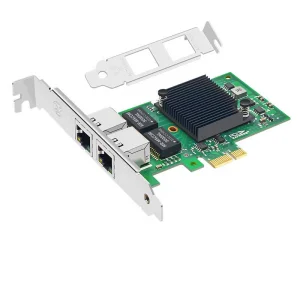
Yes, we carry a complete inventory of enterprise accessories, including Emulex host adapters, LSI RAID controller cards, high-speed connection cabling, and memory modules.