Datrix
Datrix
Datrix
Explore our elite selection of standard rack configurations, specialized PCIe controllers, and next-generation architecture optimized for cloud and AI virtualization workloads.
In the dynamic epoch of hybrid architectures, hyper-converged databases, and deep learning neural systems, V5 Cloud Infrastructure represents the cornerstone of stable, highly optimized virtualization environments.
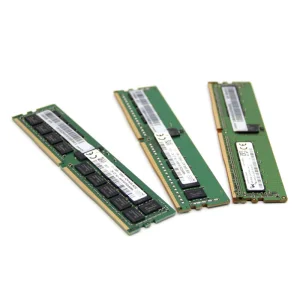
While cutting-edge architectures transition through cycles of incremental throughput enhancements, enterprise computing stakeholders recognize that raw, unmonitored computational power fails to balance performance-per-dollar calculations. V5 systems utilize optimized silicon pipelines, balanced thermal profiles, and highly robust DDR4 memory configurations to construct a highly dependable cloud topography.
By targeting execution cycles, cache structures, and PCIe layout configurations, our hardware designs enable public cloud infrastructures, enterprise datacenters, and hyper-scalable service networks to scale out computational pipelines without facing exponential increases in thermal design power (TDP) or operational capital (OPEX).
Translating complex technological demand into robust computing physical layers via advanced production plants and strict engineering controls.
Datrix AI Computing Inc. stands at the vanguard of professional design, system engineering, and manufacturing of high-performance AI GPU servers, specialized workstations, and custom cloud environments. Serving distributors, research labs, and major cloud providers, we deliver compute-heavy installations certified for the modern AI and enterprise data workloads.
Evaluating deployment profiles, supply networks, and economic viability across international markets.
Governments and regulatory environments globally are mandating localize data residency. The V5 architecture serves as the foundation for private, air-gapped sovereign clouds that satisfy strict legal compliances without exceeding tight budgets.
Data centers are rapidly embracing HaaS distribution systems. Having a cost-effective, high-reliability server pool of V5 systems allows vendors to optimize tenant pricing matrices, decreasing overall payback periods.
Deep-sea ports, autonomous processing mills, and regional distribution networks leverage V5-based localized compute infrastructure to process real-time telemetry datasets before forwarding condensed metrics to core cloud hubs.
Analysing real-world systems deployed by system integrators across global industries.
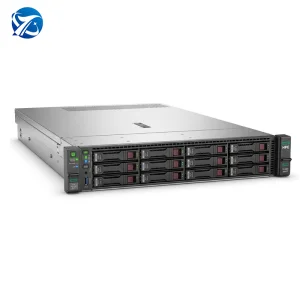
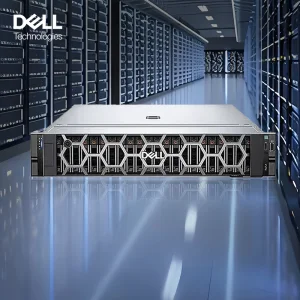
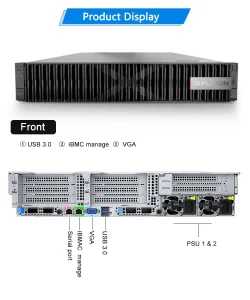
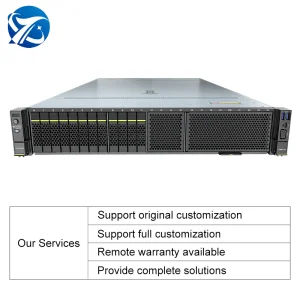
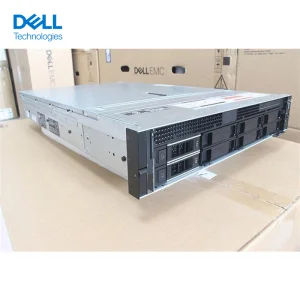
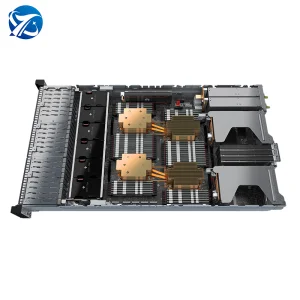
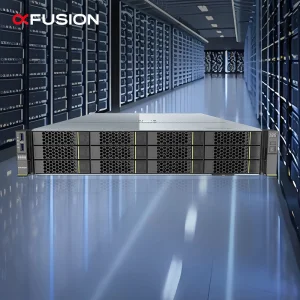
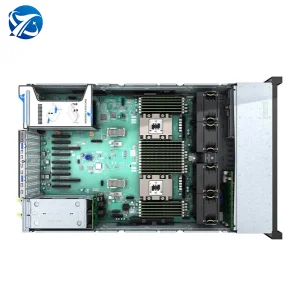
For system integrators managing containerized environments (Kubernetes, Docker), CPU density and thread separation are primary goals. By leveraging dual-socket Intel Xeon architectures within our 2U systems (e.g., Dell PowerEdge series, xFusion V5 platforms), clients isolate container microservices across discrete cores. This structure limits microservice noise, guarantees bandwidth availability, and maintains performance isolation at scale.
While large language model (LLM) training requires clusters of dense GPU setups, regional AI processing applications like automated optical inspection (AOI) systems, urban traffic optimization networks, and predictive healthcare models require localized, power-balanced nodes. Dual-socket GPU workstations and rack servers equipped with PCIe Gen4 expansion structures allow operators to deploy localized AI platforms right at the point of data creation.
Maintaining backward compatibility while integrating next-generation memory, PCIe, and high-performance computing features.
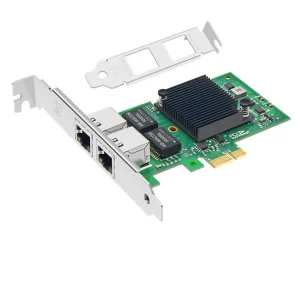
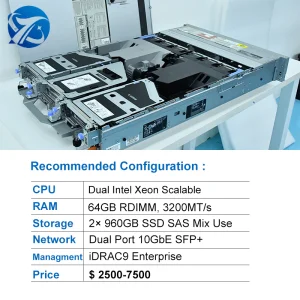
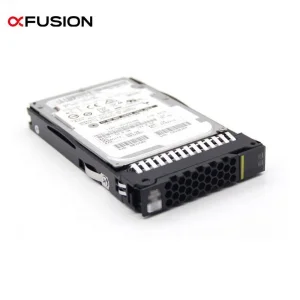
Achieving hardware reliability via DDR4-3200MHz ECC integration, SAS 12G interface stability, and hardware-managed PCIe RAID systems. This forms the backbone of virtualization systems worldwide.
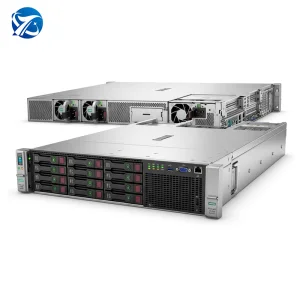
Rolling out V6 and V7 server iterations (e.g., HPE DL360 Gen11, R670, 2288H V7) featuring PCIe Gen5 system busses. This doubles host bus bandwidth to handle deep network interfaces and high-speed NVMe drives.
Deploying dedicated multi-GPU nodes with advanced liquid cooling capabilities to manage high heat loads from modern GPU clusters, ensuring continuous performance during AI training tasks.
Developing eco-friendly server structures utilizing raw biosourced packaging, highly efficient titanium-grade power supplies, and localized liquid immersion setups to reduce datacenter PUE values below 1.15.
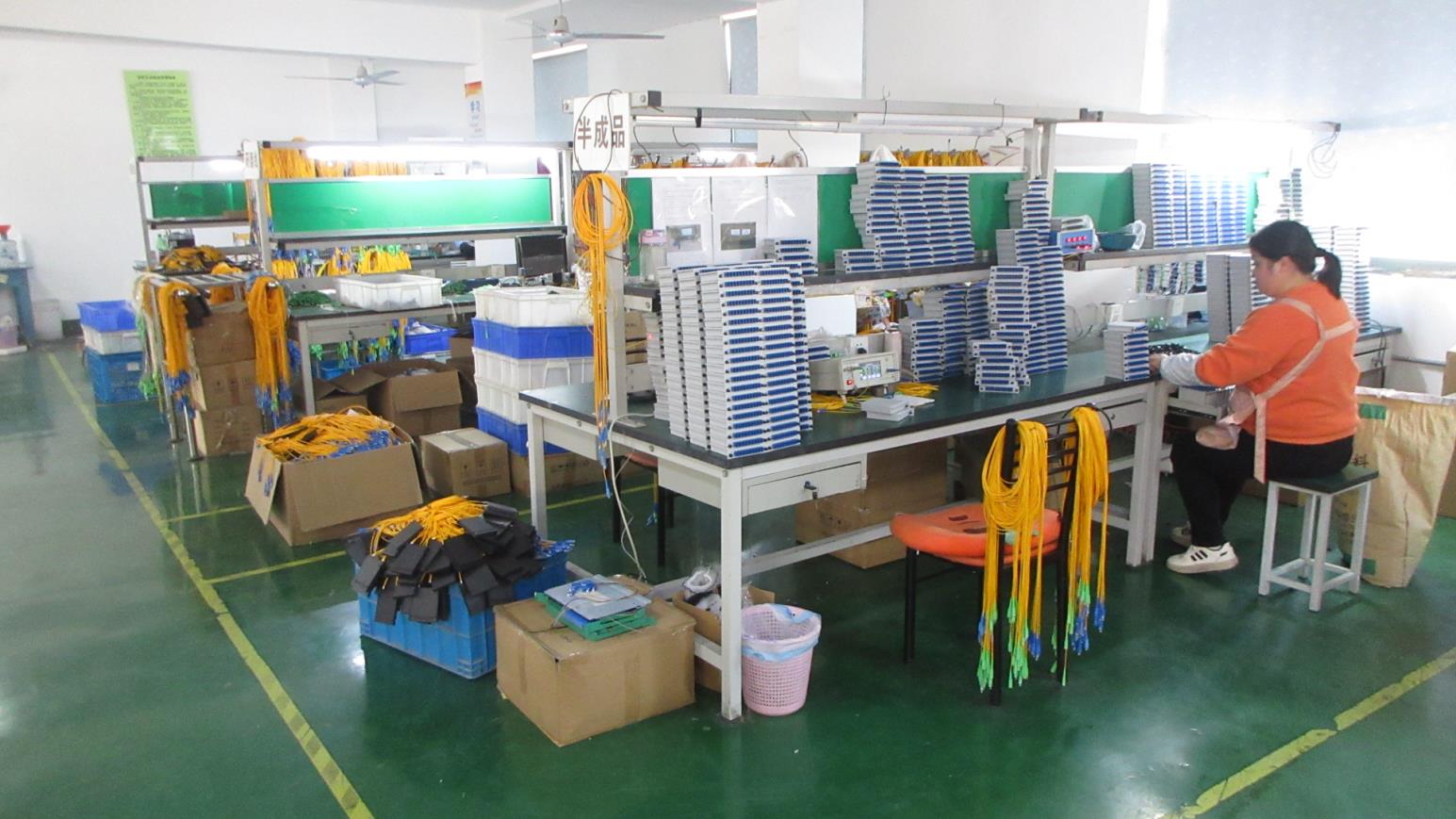
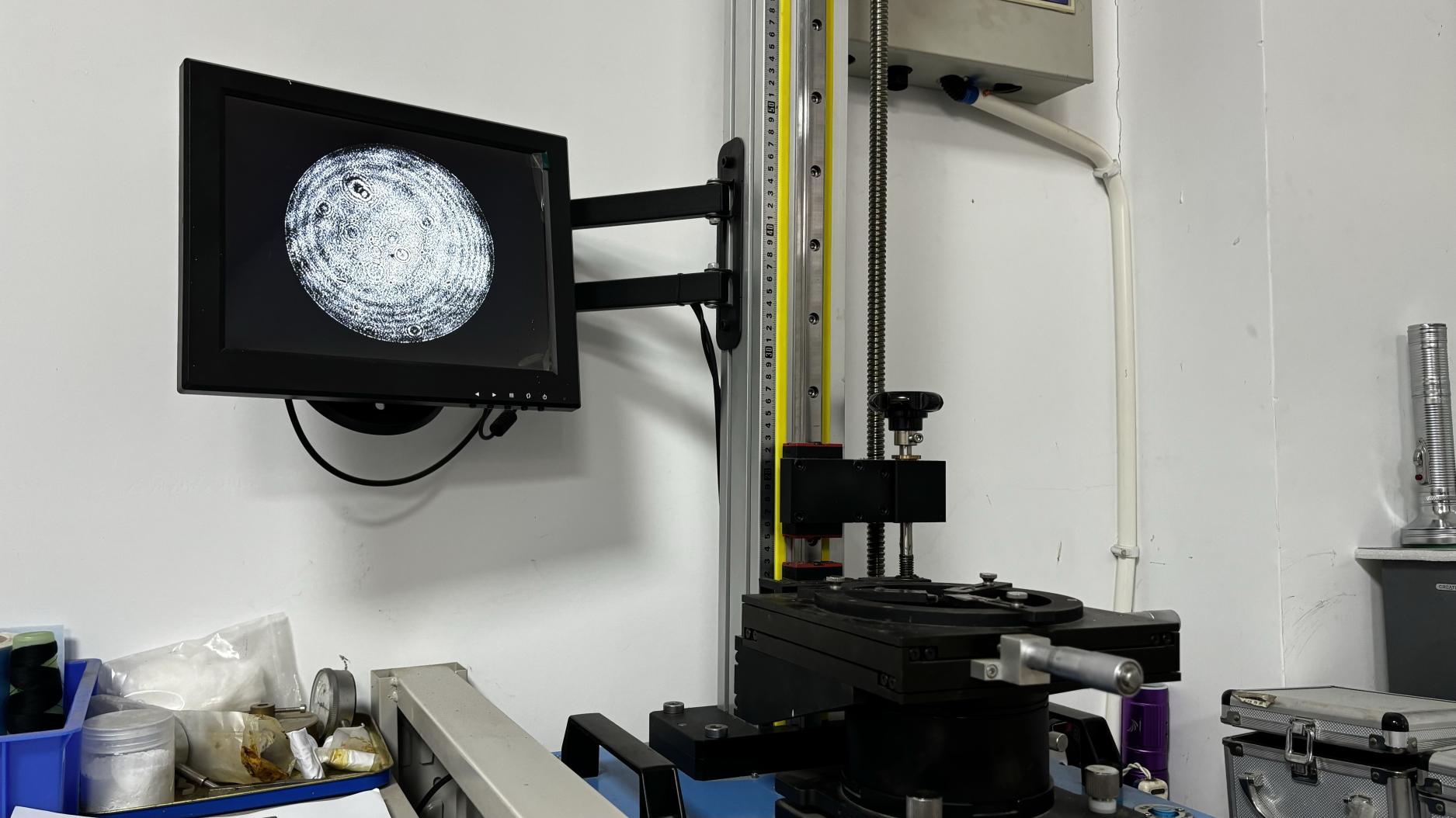
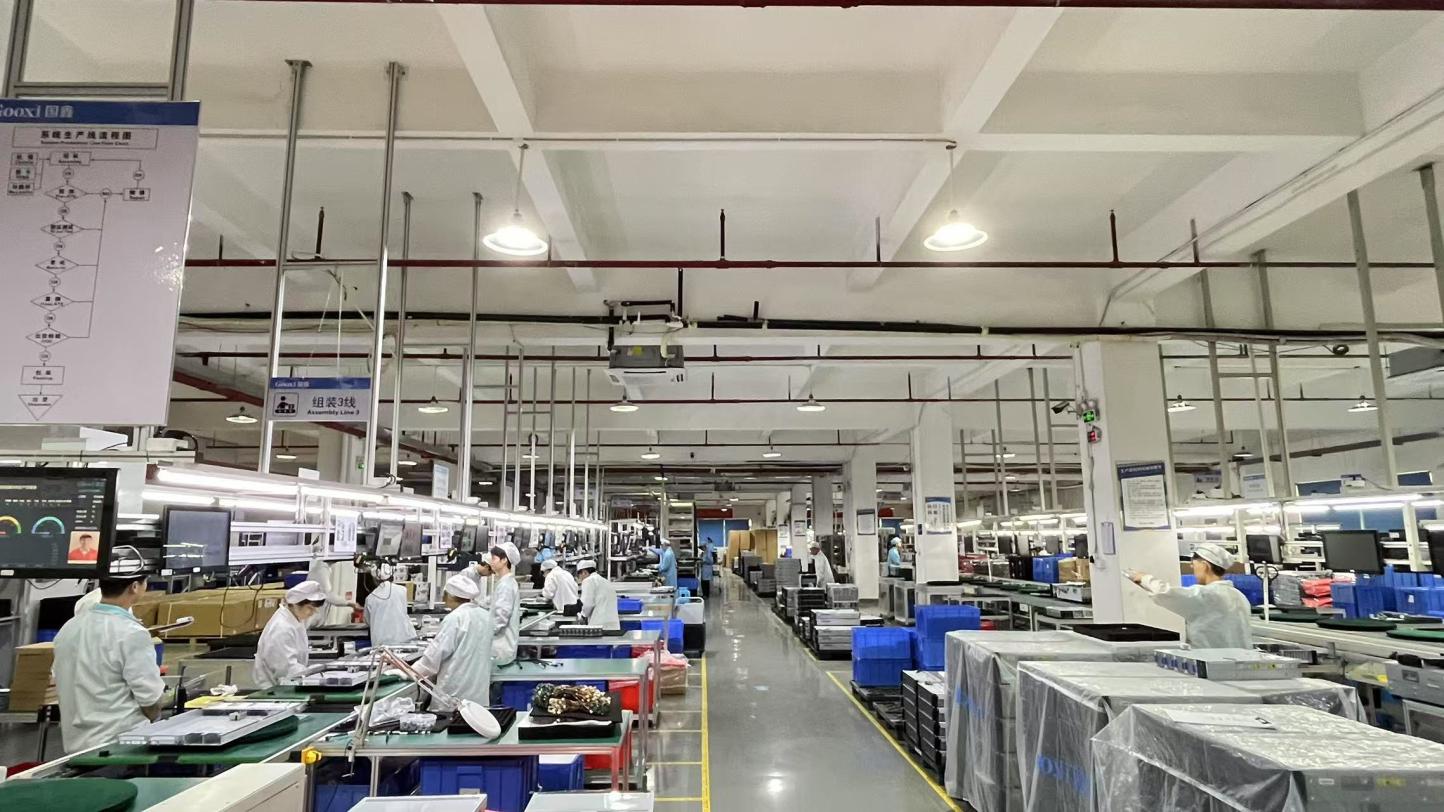
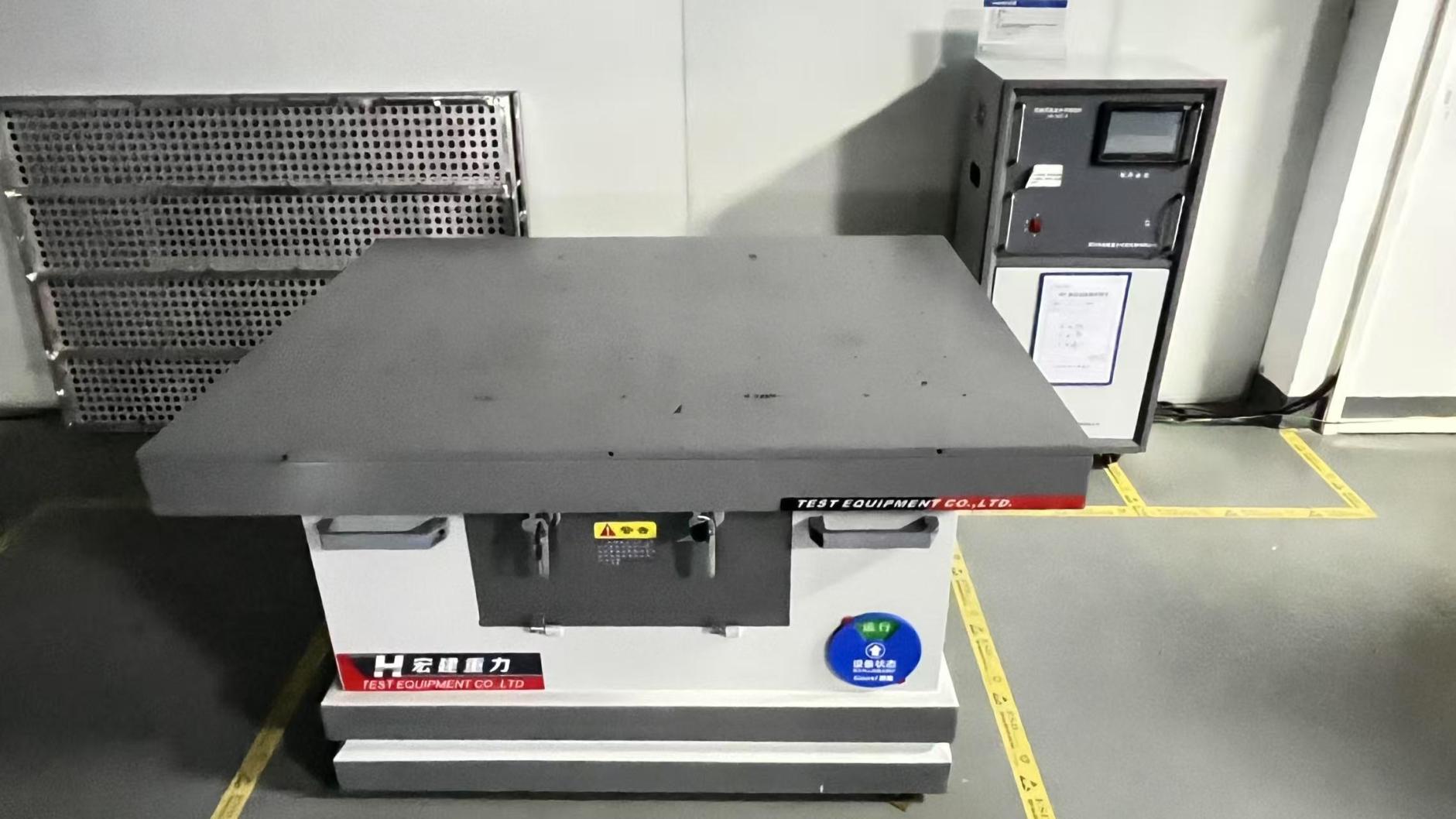
Every chassis, server node, and peripheral component undergoes intensive diagnostic protocols at our 18,600 m² factory.
Incoming integrated circuits (ICs), microprocessors, capacitors, and chassis systems undergo strict impedance and thermal metrics testing. We only accept raw materials that pass our strict internal tolerance levels.
Automated optical systems scan motherboard solder trace configurations. Technicians check power distributions across system rails during assembly steps to prevent trace faults or shorts.
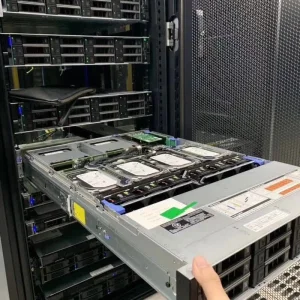
Completed nodes undergo continuous high-heat testing for 24 to 72 hours. CPUs, memory lanes, and storage arrays run under 100% capacity loads to eliminate infant mortality component failures.
Every server interface undergoes physical and firmware validation. We run comprehensive I/O testing, verify SAS/SATA controller mappings, and check security modules to guarantee standard-ready deployments.
Detailed structural and purchasing questions answered by Datrix engineering directors.
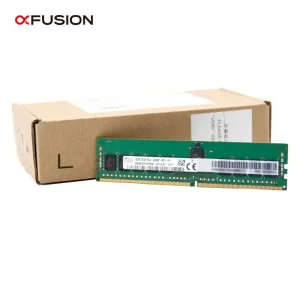
Add capacity, upgrade existing nodes, or optimize datacenter efficiency with our reliable components and accessory hardware.