Datrix
Datrix
Datrix
Explore high-availability server accessories, PCIe Gen 4 RAID controllers, custom enterprise rack components, and memory solutions ensuring system integrity.
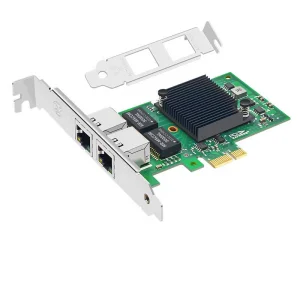
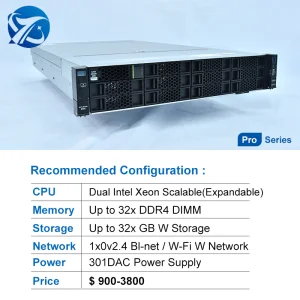
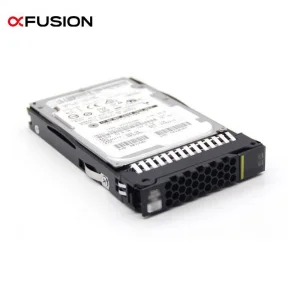
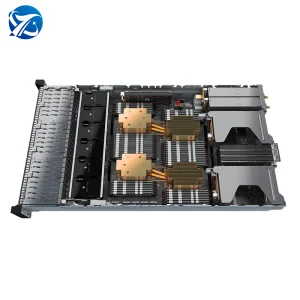
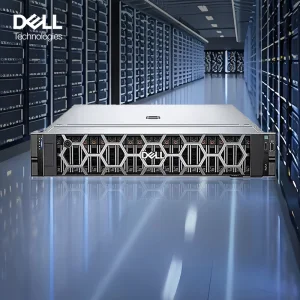
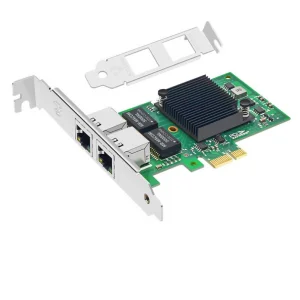
Industrial analysis of current physical and logical security threats facing modern data centers, cloud providers, and edge devices.
In today's digital landscape, server platforms are no longer just computational workhorses; they are the primary gatekeepers of intellectual property, highly confidential customer records, and global cloud systems. With the explosive rise of artificial intelligence (AI) training, deep learning workloads, and distributed edge architectures, data processors are subject to sophisticated hardware-level attacks, firmware exploits (such as Rootkit and Bootkit malware), and supply chain manipulation. Consequently, the term "Server Security Solutions" has transitioned from standard software firewall bundles to an integrated, hardware-anchored trust system.
Globally, hyperscale data centers, financial institutions, and telecommunication providers are demanding servers with comprehensive Root-of-Trust (RoT) architecture, cryptographic memory isolation, and dynamic runtime verification. Secure hardware configuration begins at the motherboard design level. Silicon-based Root of Trust allows processors to verify the digital signature of the server's firmware (BIOS, BMC, and option ROMs) before the Operating System is loaded, neutralizing attacks aimed at the server bootloader.
Enforcing hardware root-of-trust (RoT) directly into BMC and CPU architectures ensures that malware cannot inject itself into the BIOS or low-level components during system boot phases.
Integrating mechanical chassis switches, hardware tamper-detection, and real-time firmware verification protocols to identify breaches within secure zones immediately.
Securing high-capacity enterprise storage pools via hardware controller-level cryptography (such as LSI Tri-Mode RAID solutions with self-encrypting drive management).
Aligning OEM hardware components, secure hypervisors, and data management technologies with international standards.
Modern enterprise security solutions are evolving rapidly. China's manufacturing ecosystem plays a critical role in standardizing robust, cost-effective server motherboards, chassis solutions, and peripheral network equipment. Leading hardware vendors are incorporating key technical trends, including:
Integration of TPM 2.0 (Trusted Platform Modules) across all wholesale x86 and ARM platform server builds, laying the groundwork for verifiable secure boot states.
Development of hardware-based auto-recovery protocols. In case of flash corruption, the system rolls back to a known-safe firmware version automatically.
Enforcement of cryptographic handshakes on PCIe links. Controllers (e.g., RAID cards, SmartNICs) must authenticate with the motherboard root processor prior to initializing data streams.
Providing reliable, customizable, and high-performance server hardware solutions built with strict manufacturing procedures and testing protocols.
Datrix AI Computing Inc. is a professional manufacturer specializing in high-performance AI GPU servers, GPU workstations, and customized computing infrastructure for AI training, deep learning, HPC, cloud computing, and enterprise data centers. With a strong focus on innovation, product reliability, and customer satisfaction, we provide scalable GPU computing solutions for system integrators, distributors, research institutions, and enterprise clients worldwide.
Our experienced engineering team continuously develops advanced server platforms compatible with the latest GPU technologies, delivering outstanding performance, energy efficiency, and long-term stability. From OEM/ODM customization to complete AI infrastructure deployment, Datrix offers flexible manufacturing capabilities and comprehensive technical support to meet diverse customer requirements.
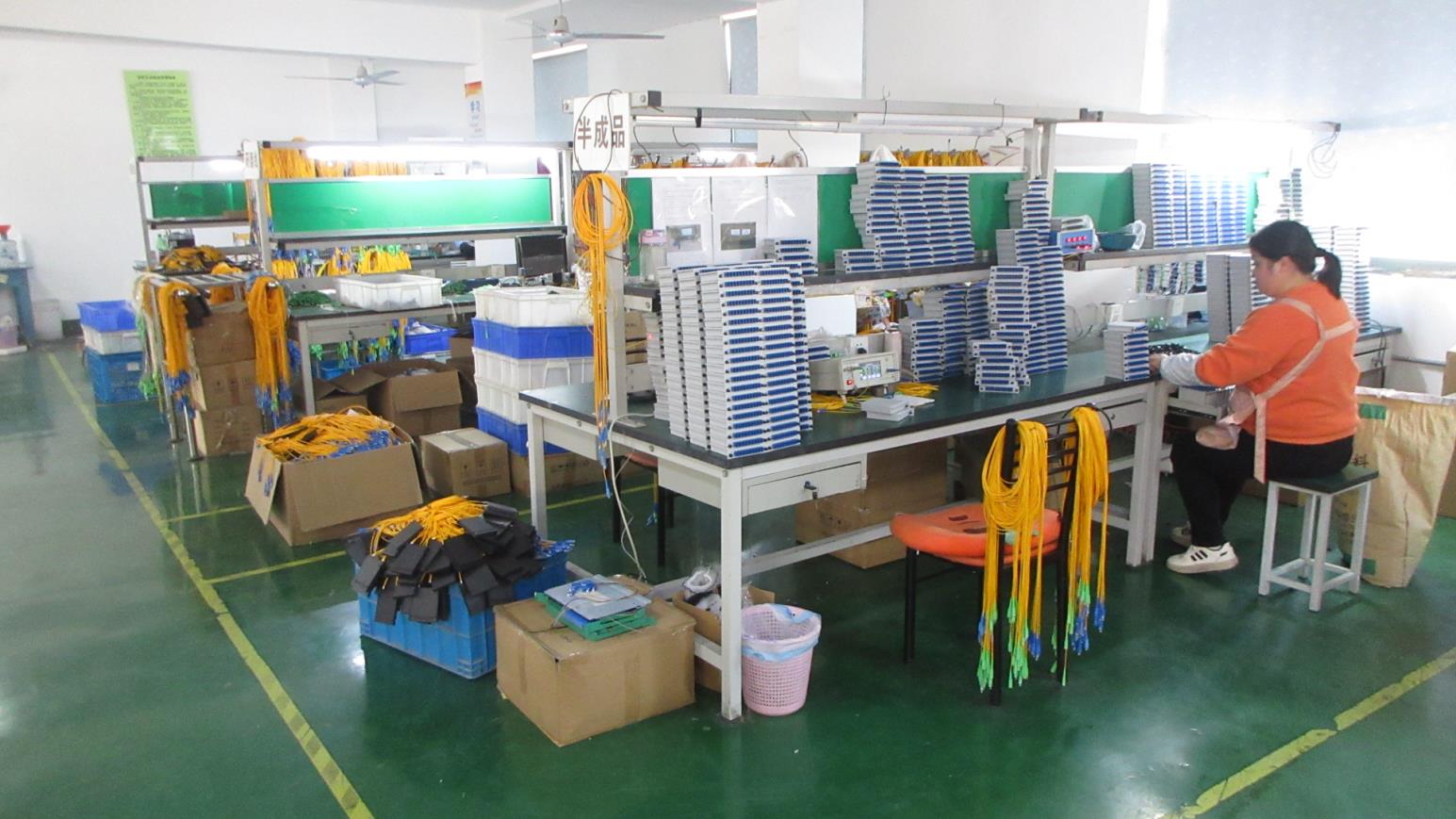
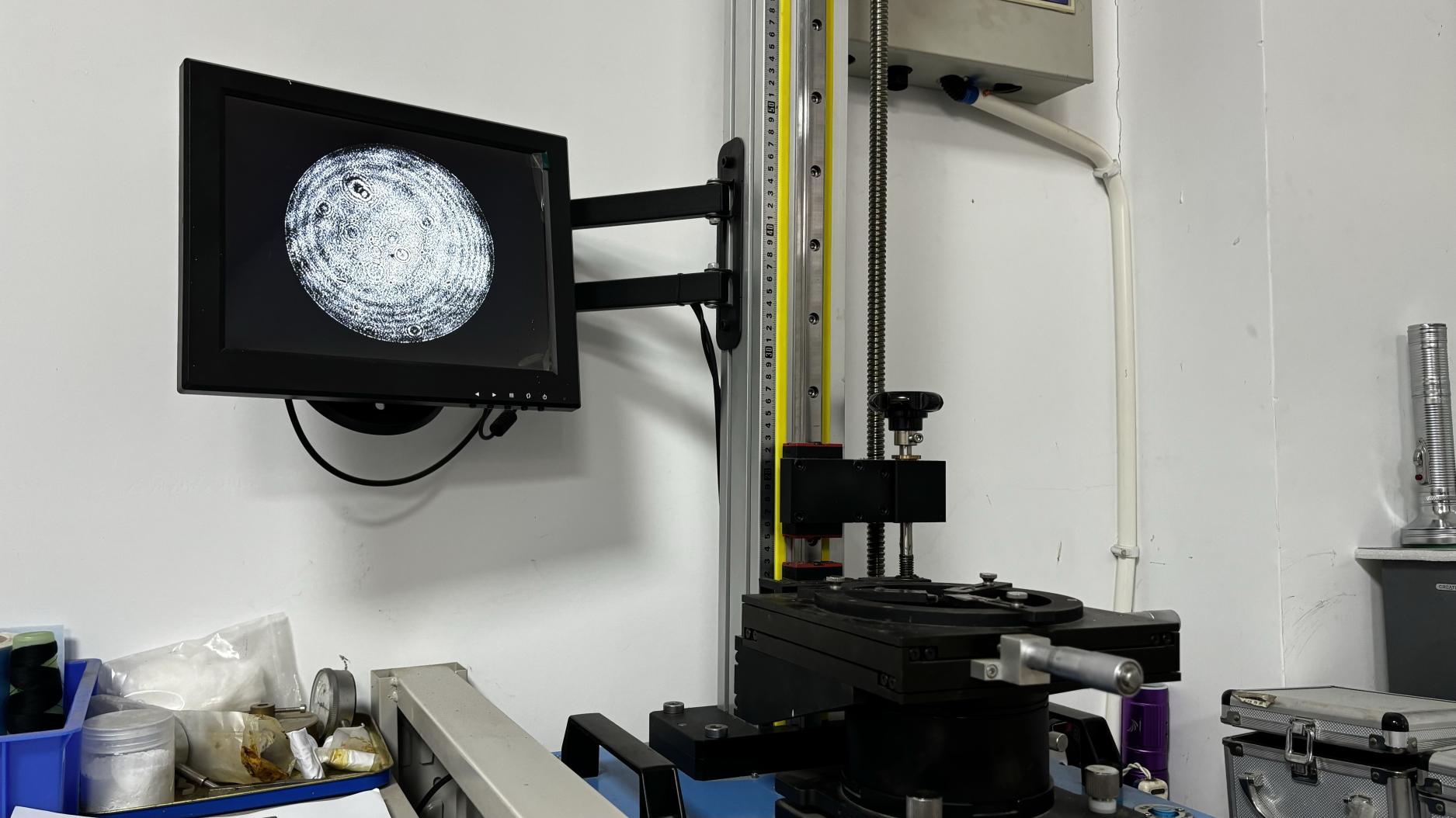
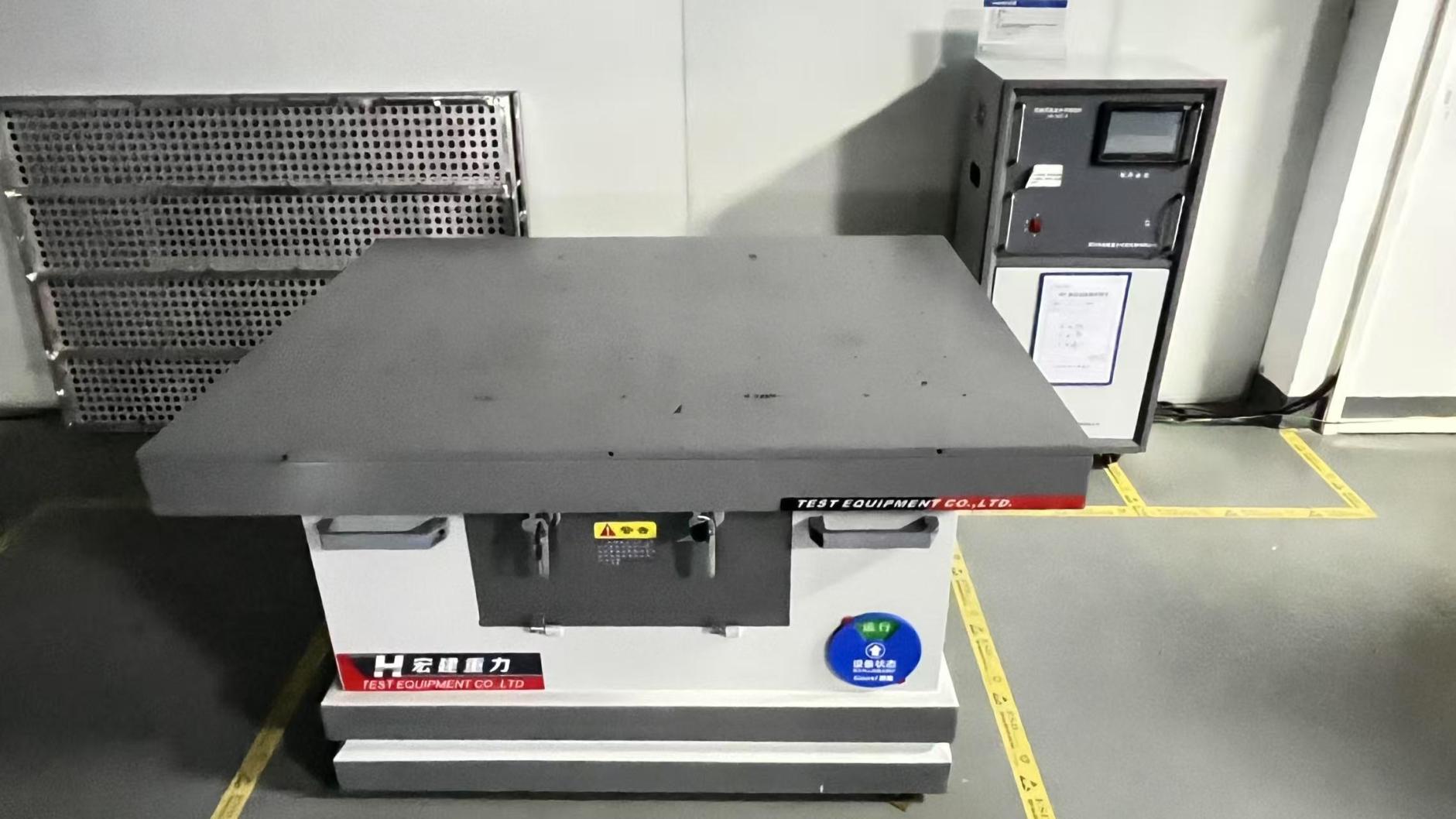
We believe in providing end-to-end security, which requires 100% Pre-shipment Inspection. Our inspection methodologies include Raw Material Inspection, In-Process Quality Control (IPQC), Functional Testing, Burn-in Testing, and Final Quality Inspection (FQC). By implementing rigorous testing phases, we minimize failure rates and guarantee that shipped servers survive remote deployment in tough environments.

Tailoring server security configurations to real-world industrial environments and regulatory conditions.
When deploying workloads like DeepSeek AI, large-scale deep learning models, and complex analytics pipelines, safeguarding raw weights and datasets is paramount. Datrix GPU servers integrate system memory security, protecting operational cache memory from malicious read dumps during computation.
For database systems where transaction history must remain unaltered, using high-speed RAID configurations (such as the LSI 9560 series) with integrated cache protection ensures absolute zero-loss capability during unexpected server shutoffs or sudden network power losses.
Hyperscale web hosts and SaaS providers need isolation on shared processors. Implementing virtual machine separation protocols alongside cryptographically isolated boot domains keeps one tenant's compromised app layer from contaminating adjacent databases.
Answering the most critical industrial design, integration, and security questions from enterprise procurement heads.
Browse our selection of secure server nodes, high-density AI accelerators, and high-performance server components for cloud infrastructure.