Datrix
Datrix
Datrix
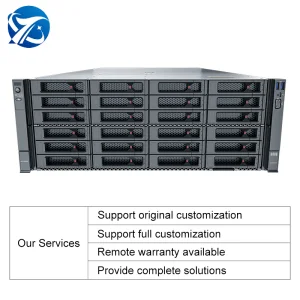
Explore our premium selection of hardware platforms engineered for high throughput virtualization, deep learning, hyperconverged NAS storage, and local artificial intelligence hosting.
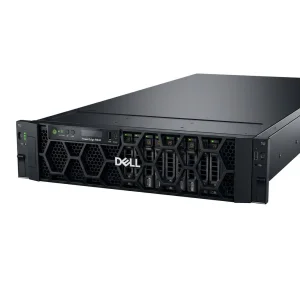
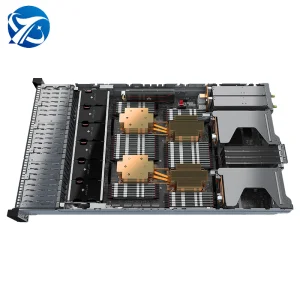
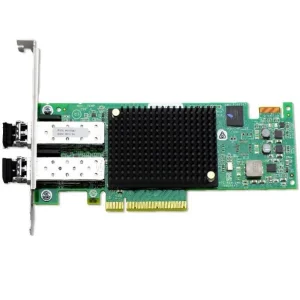
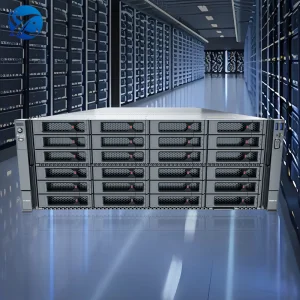

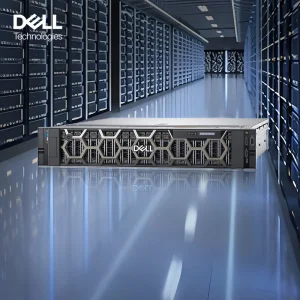

Home lab computing has transcended its origins as a hobbyist's sandbox. In today's digital landscape, it represents an essential decentralized node for software development, local large language model (LLM) processing, edge cloud emulation, and hyper-secure NAS environments. Enterprise-grade server designs are increasingly sought after by prosumers and small-to-medium enterprises (SMEs) requiring data sovereignty and low latency.
Modern home lab systems run VMware ESXi, Proxmox VE, or TrueNAS Scale. They partition physical silicon into multiple isolated micro-services, web servers, and development nodes.
Hosting multi-billion parameter models locally requires optimized PCIe data paths, high-bandwidth VRAM, and robust computing foundations. This is driving the integration of heterogeneous GPU arrays in non-traditional server spaces.
ZFS-based storage clusters demand high-bandwidth SAS/SATA interfaces and Tri-Mode RAID controllers (like the 9560-8i) to protect multi-terabyte datasets while ensuring continuous throughput.
As PCIe Gen 5 and Gen 6 interfaces enter the server domain, hardware architecture undergoes massive shifts in thermal dynamics, processing densities, and energy management. In the next 3 to 5 years, we expect to see standard homelab systems transitioning toward modular nodes that process complex telemetry natively at the network edge.
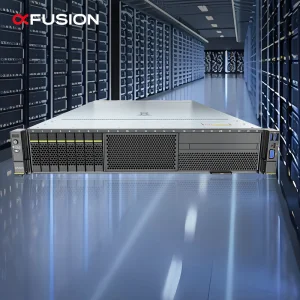
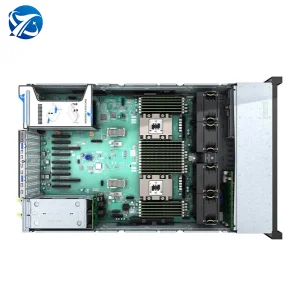
Leveraging dual-socket configurations (such as in the FusionServer 2288H V6) enables setups to process concurrent virtualization instances without bottlenecking memory bandwidth or thread scheduling.
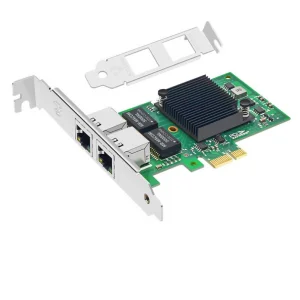
Integrating 32GFC Host Bus Adapters (HBA) directly within home environments bridges the gap between fast storage area networks (SAN) and high-speed data compute clusters, eliminating traditional Ethernet bottlenecks.
Industrial platforms adapted for home environments prioritize lower acoustic footprints without sacrificing cooling. This is achieved through dynamic fan curves managed directly by Baseboard Management Controllers (BMC).
Established on August 18, 2016, Datrix AI Computing Inc. has grown into a leading manufacturer and exporter of enterprise server architectures, custom GPU workstations, and optimized computational nodes. For over 12 years, we have provided high-performance solutions designed to operate seamlessly across mission-critical enterprise platforms and complex home lab environments.
From custom BIOS configurations to OEM/ODM thermal and structural case modifications, our design team ensures every system complies with rigorous regulatory and operational benchmarks before deployment.
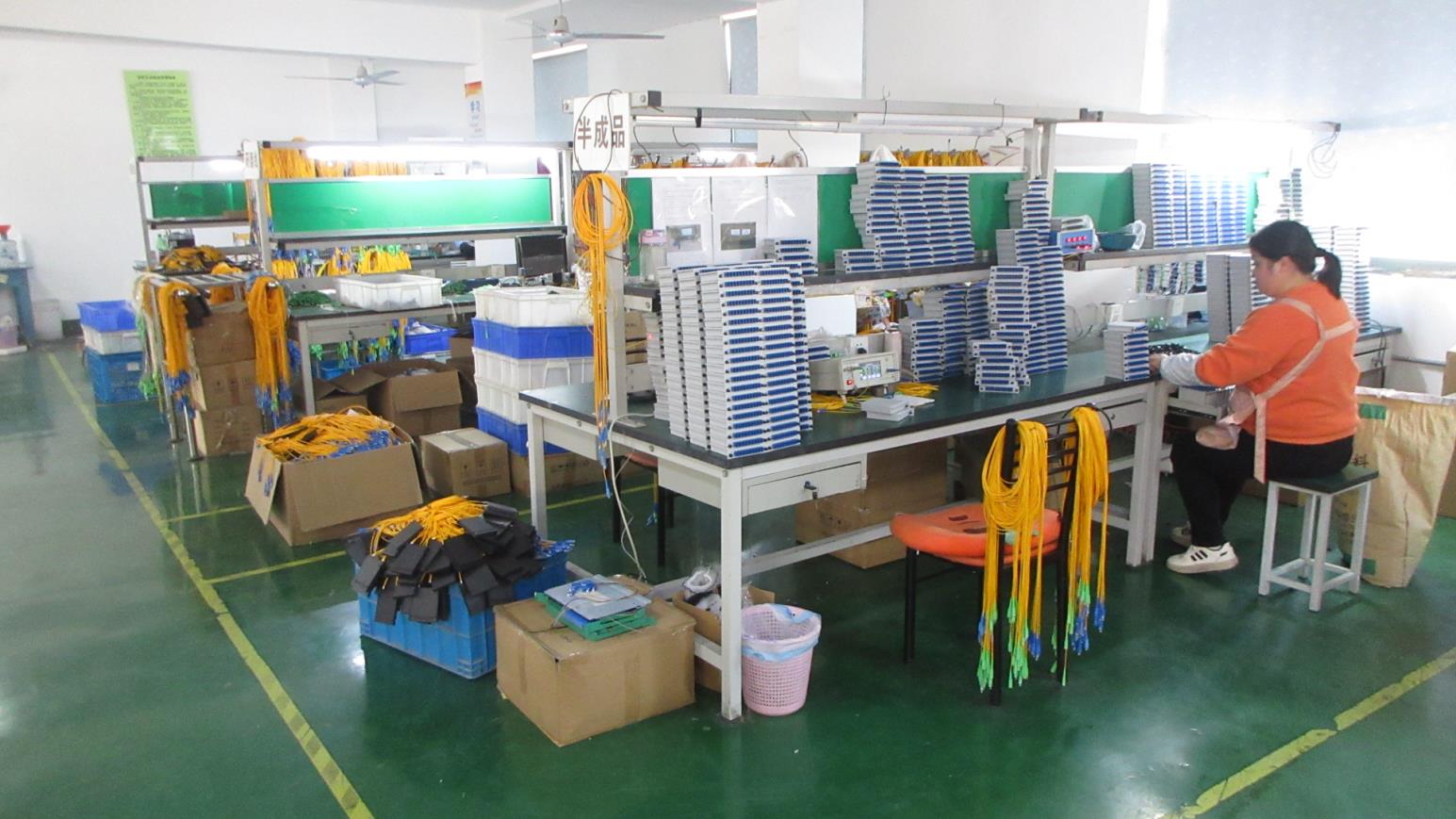
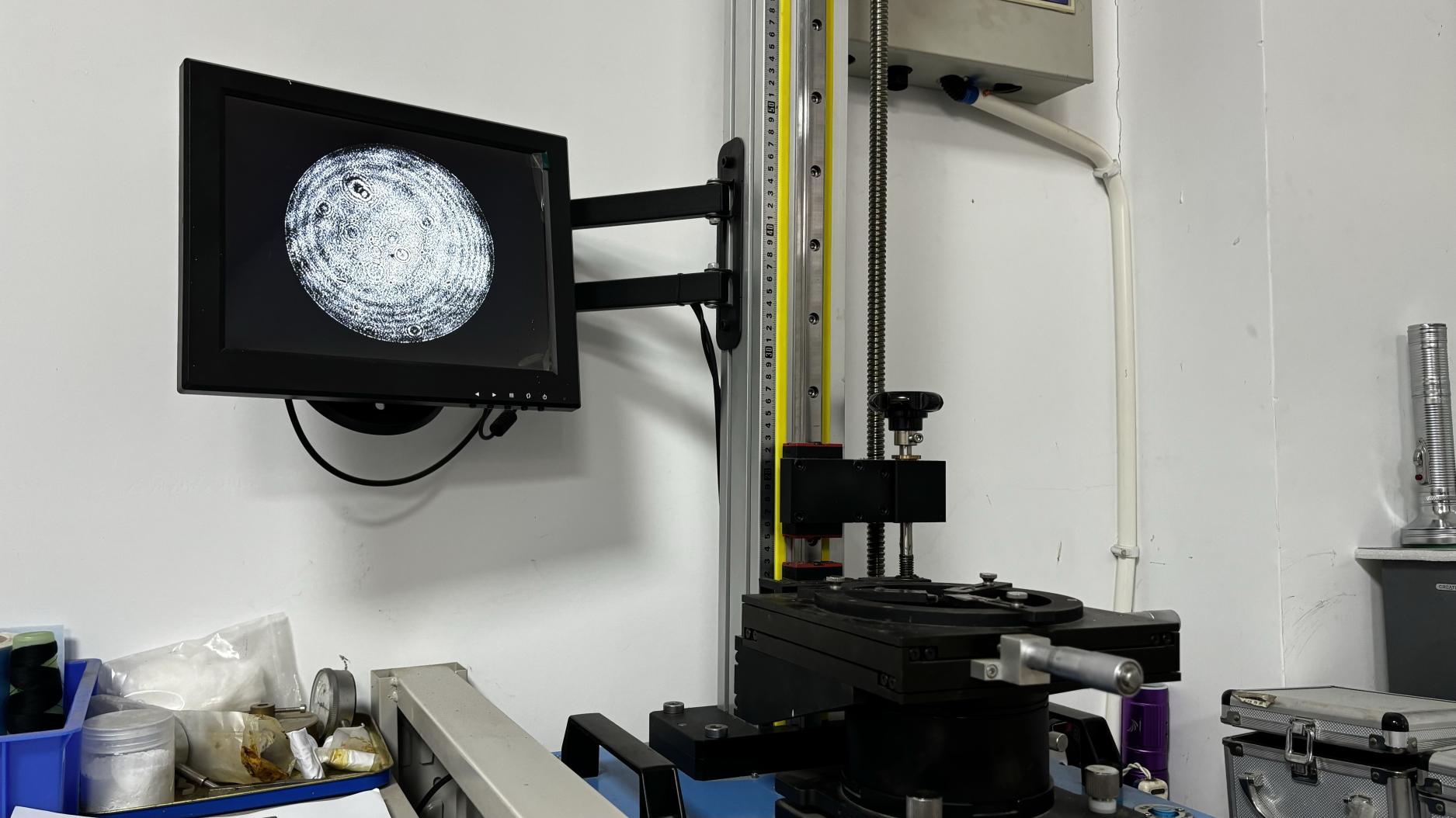
Our quality assurance workflow features comprehensive checks, from raw material validation to in-process quality control (IPQC), functional validation, and long-duration burn-in testing.

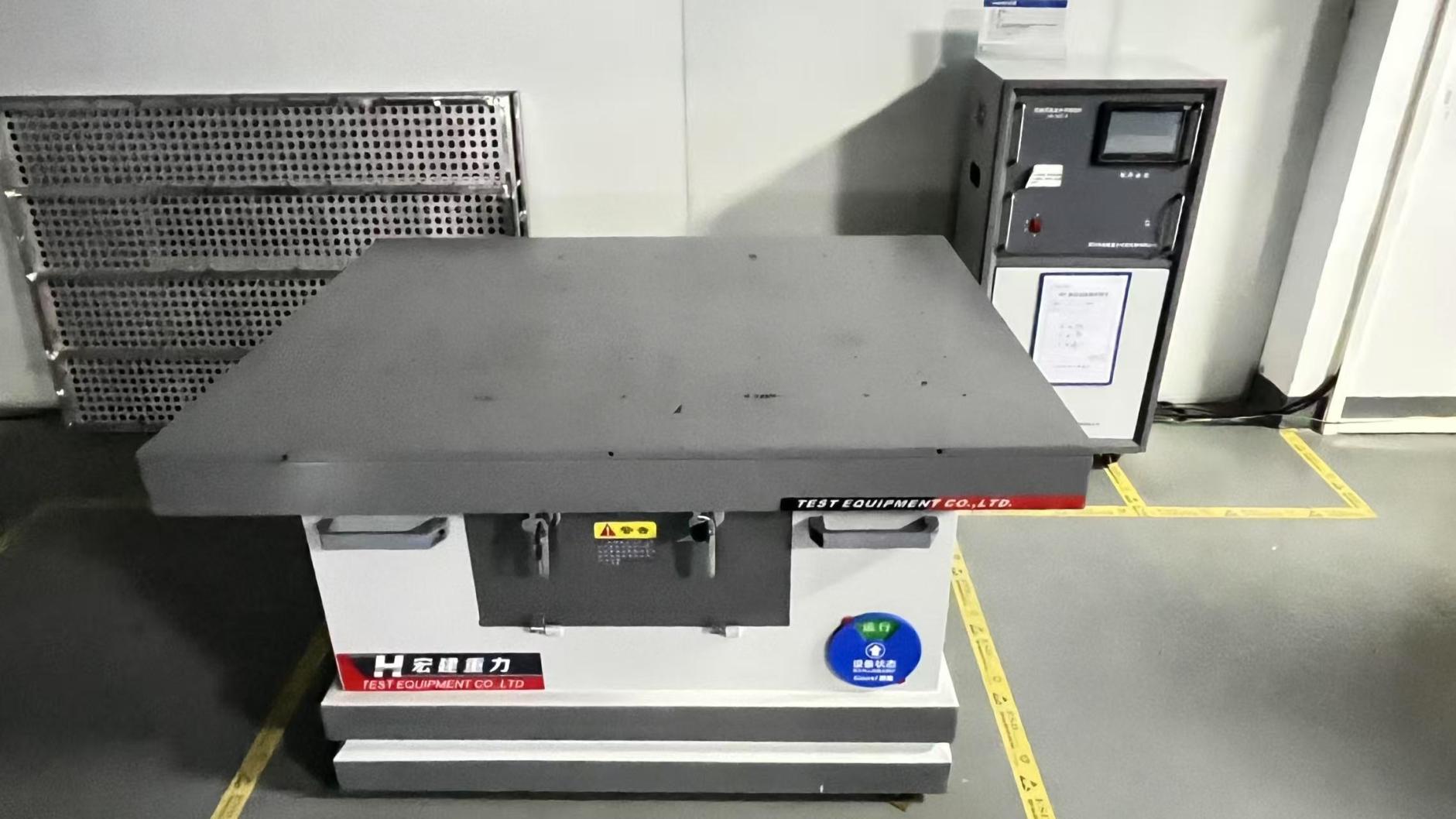
We address the operational challenges of modern server deployment by designing platforms that optimize compute density, data security, and long-term hardware reliability.
Avoid the rising subscription costs and privacy issues of public cloud platforms. By deploying multi-socket Xeon systems equipped with high-bandwidth GPUs, developers can host, train, and test models locally in their own environments.
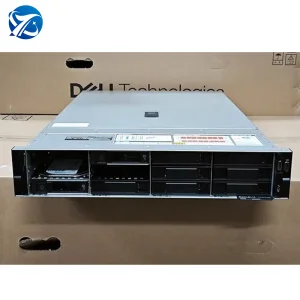
Simulate complex cloud structures locally using high-density 1U servers (such as the PowerEdge R350 or R450). This allows network architects to test Kubernetes clusters and micro-service structures without incurring public cloud fees.
Combine PCIe Gen 4 RAID controllers with Fibre Channel Host Bus Adapters (HBAs) to deploy high-availability, low-latency SAN storage networks that deliver fast performance for large-scale media production and virtual system backups.
Review our engineering team's guidance on setting up, optimizing, and maintaining server platforms in residential and non-standard data center environments.
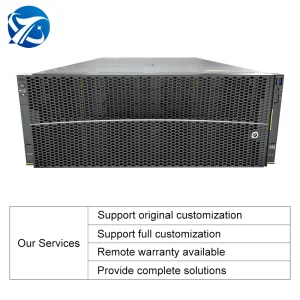
Complete your setup with our latest catalog of high-capacity storage servers, dual-socket compute nodes, and high-speed network interfaces.