Datrix
Datrix
Datrix
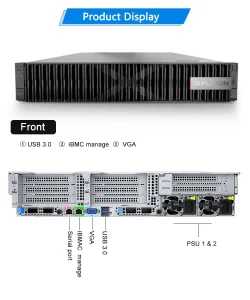
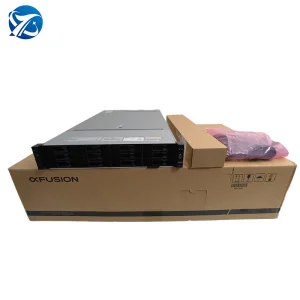

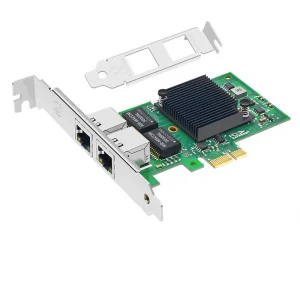
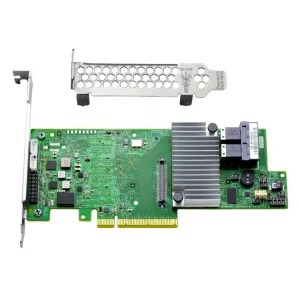
Singapore stands as the primary digital gateway to Southeast Asia. Driven by the national Smart Nation 2030 agenda, Singaporean enterprises, hyper-scale cloud operators, and public sector organizations are shifting toward high-density, energy-efficient architectures. The arrival of the V7 server platform marks a massive leap forward in processing density, heat management, and I/O efficiency.
Following the lifting of the data center moratorium, the Infocomm Media Development Authority (IMDA) introduced strict environmental standards, including the Green Data Centre Roadmap. The V7 generation—featuring advanced Intel Xeon Scalable processors (Sapphire Rapids / Emerald Rapids) and optimized power supply architectures—addresses the critical PUE (Power Usage Effectiveness) mandates required for Singapore operations.
These requirements demand hardware platforms capable of delivering exceptional computing density without overloading local cooling infrastructure. The V7 rack server platform serves this precise demand, incorporating smart cooling algorithms, high-efficiency titanium PSUs, and compatibility with modern liquid-to-air cooling options.
The progression from V6 to V7 server architecture represents a fundamental redesign of enterprise processing and datapath orchestration. While the V6 generation relied heavily on PCIe Gen 4 protocols and DDR4 memory speeds, the V7 generation transitions to a high-speed, lower-latency computing paradigm:
PCIe Gen 5 offers 32 GT/s per lane, double the throughput of PCIe Gen 4. This expansion enables next-generation network interface cards (NICs) and NVMe storage controllers to run at maximum capacity without creating input/output bottlenecks.
The shift to DDR5 memory introduces speeds starting at 4800 MT/s and reaching up to 5600 MT/s. With dual 32-bit subchannels per DIMM, memory-bound AI workloads, analytics engines, and virtualization stacks see instant performance gains.
V7 processors natively support CXL 1.1 and CXL 2.0, allowing dynamic memory pooling and cache-coherent device connectivity. This feature helps lower the total cost of ownership (TCO) in hyper-scale cloud deployments.
This technical evolution is critical for global supply chain managers and datacenter planners. As software applications demand increasingly resource-intensive models, deploying older hardware increases long-term operating costs. Upgrading to V7 architecture reduces physical server footprints, lowers power draw, and extends hardware lifecycles.
Singapore’s academic institutions and national AI initiatives require reliable local high-performance compute clusters. By utilizing V7 systems like the xFusion 2288H V7 alongside high-end enterprise GPUs, research teams can accelerate neural network training and run local Deepseek large language models.
Operating out of the Marina Bay Financial District, local financial institutions require low-latency infrastructure. V7 rack servers configured with low-latency PCIe Gen 5 network cards and optimized BIOS profiles support high-frequency trading platforms, risk management engines, and real-time fraud detection systems.
The Tuas Megaport deployment requires robust, real-time edge processing. V7 systems run local containerized edge workloads, processing telemetry data from autonomous cranes, automated guided vehicles (AGVs), and smart shipping logistics systems.
For datacenters in areas like Tampines and Jurong, staying within power limits is a key operational challenge. The advanced thermal management and airflow engineering in V7 chassis allow operators to safely increase rack density, reducing overall cooling costs and helping meet local environmental standards.
Singaporean enterprises are shifting toward hybrid and multi-cloud architectures. Datrix's V7 systems provide the raw performance and virtualization density required to run modern Kubernetes environments, secure private clouds, and database engines.
The evolution of server infrastructure points toward increasingly unified compute, memory, and networking layers. For organizations investing in the V7 server ecosystem, this roadmap outlines key technological advancements expected over the next three to five years:
Datrix AI Computing Inc. is a dedicated manufacturer specializing in high-performance AI GPU servers, server systems, and customized computing infrastructure. We support AI training, deep learning, high-performance computing (HPC), cloud infrastructure, and enterprise datacenters worldwide. Our engineering team focuses on building reliable, high-performance computing platforms that integrate with modern GPU and processing hardware.
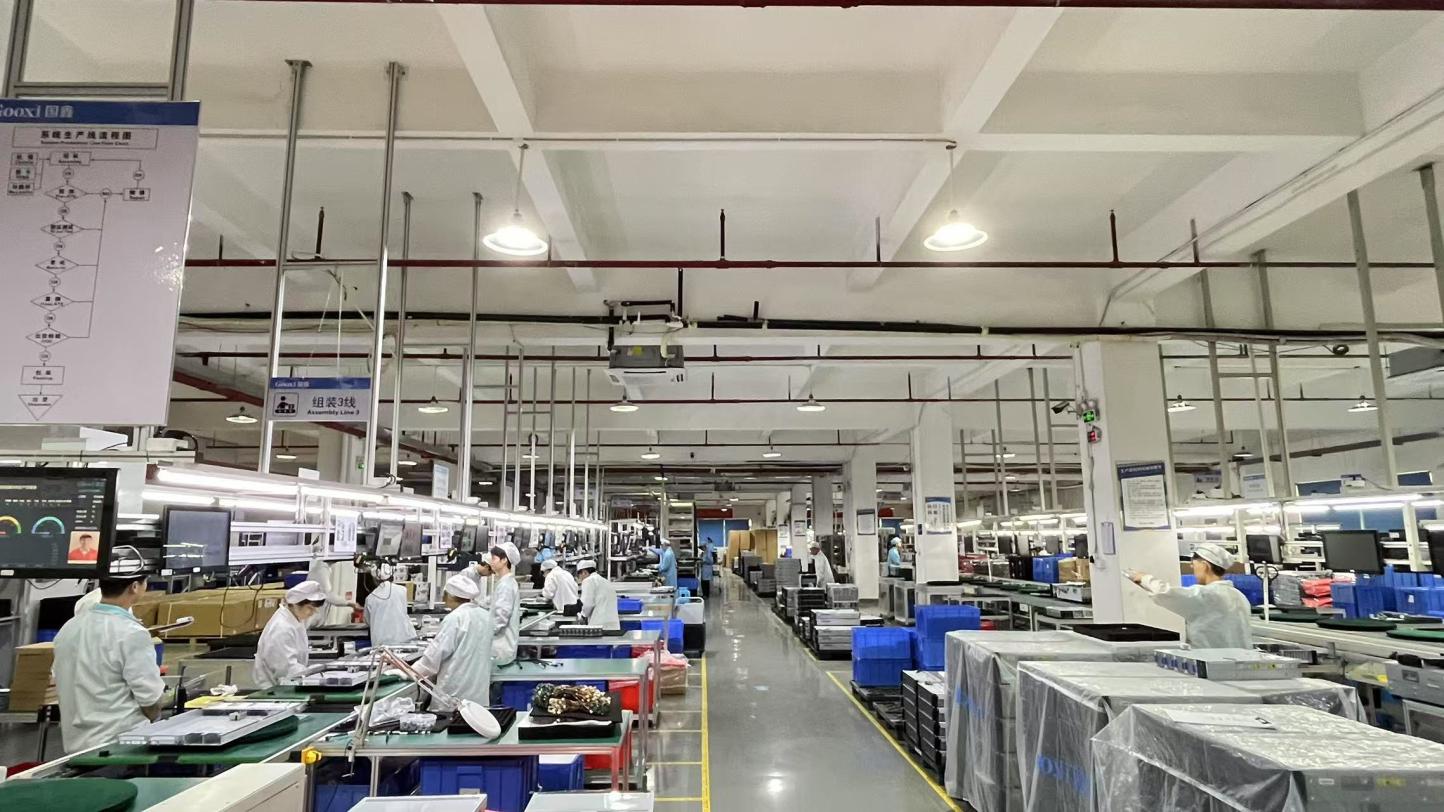
We provide OEM and ODM services for system integrators, cloud service providers, and technology distributors, tailoring system configurations to meet specific project demands. From hardware assembly and custom BIOS configurations to full system burn-in testing, Datrix delivers reliable hardware designed to meet modern enterprise standards.
Our V7 servers feature intelligent cooling profiles, low-resistance air ducts, and high-efficiency titanium power supplies (96%+ efficiency). These improvements minimize power loss and reduce system thermal load, helping datacenter operators lower overall cooling requirements and meet Singapore’s IMDA-mandated PUE target of 1.3 or below.
We provide full hardware customization, including branding, custom chassis designs, BIOS/firmware modifications, pre-configured RAID setups, and custom-designed shipping packaging. Our team works directly with your engineers to ensure compatibility with your software stack before shipping.
With seven years of export experience, Datrix handles transport logistics directly to Singapore hubs. We manage export documentation, compliance verification, and use robust packaging materials to prevent transport damage. Systems arrive ready for integration and deployment.
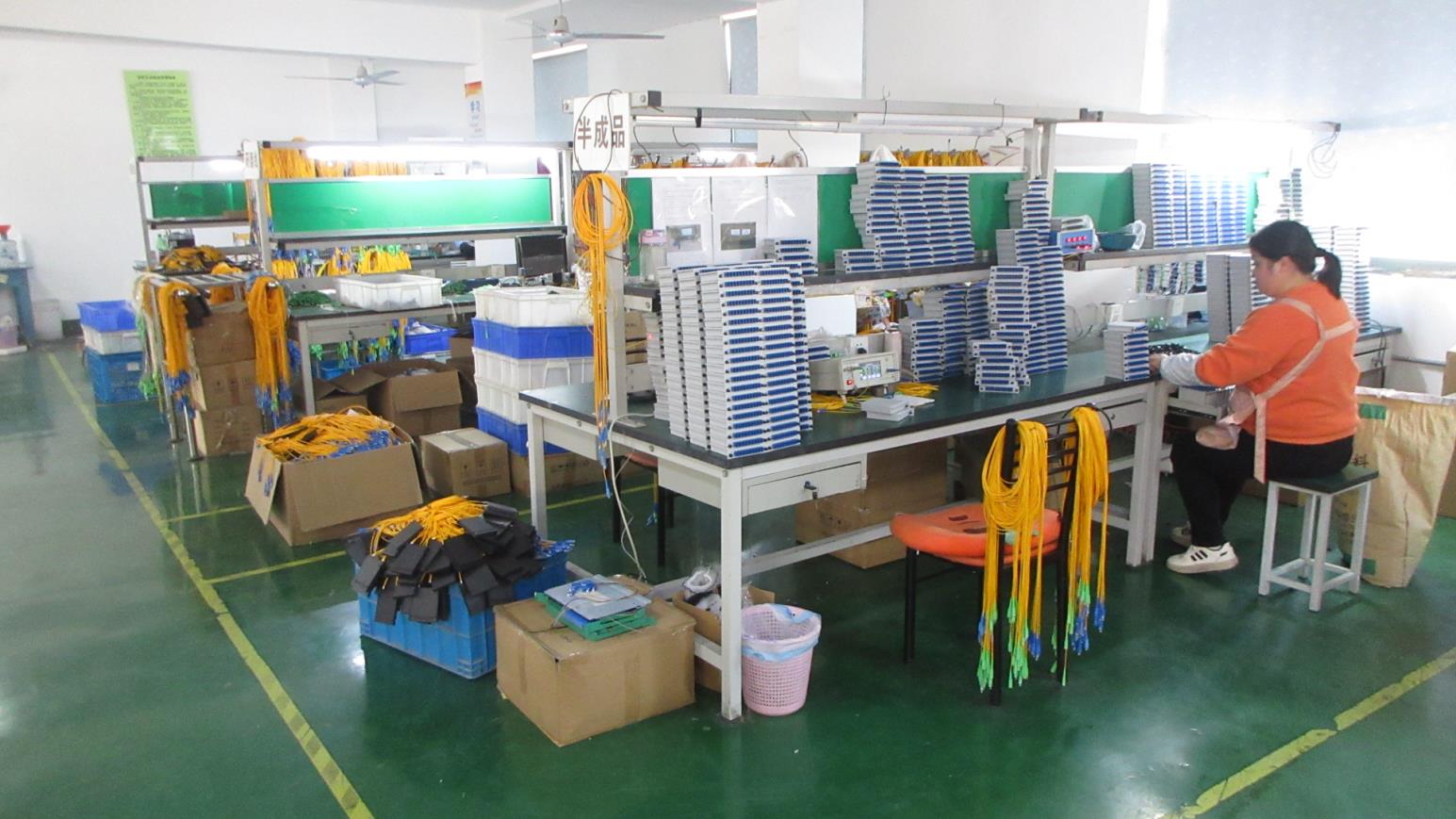
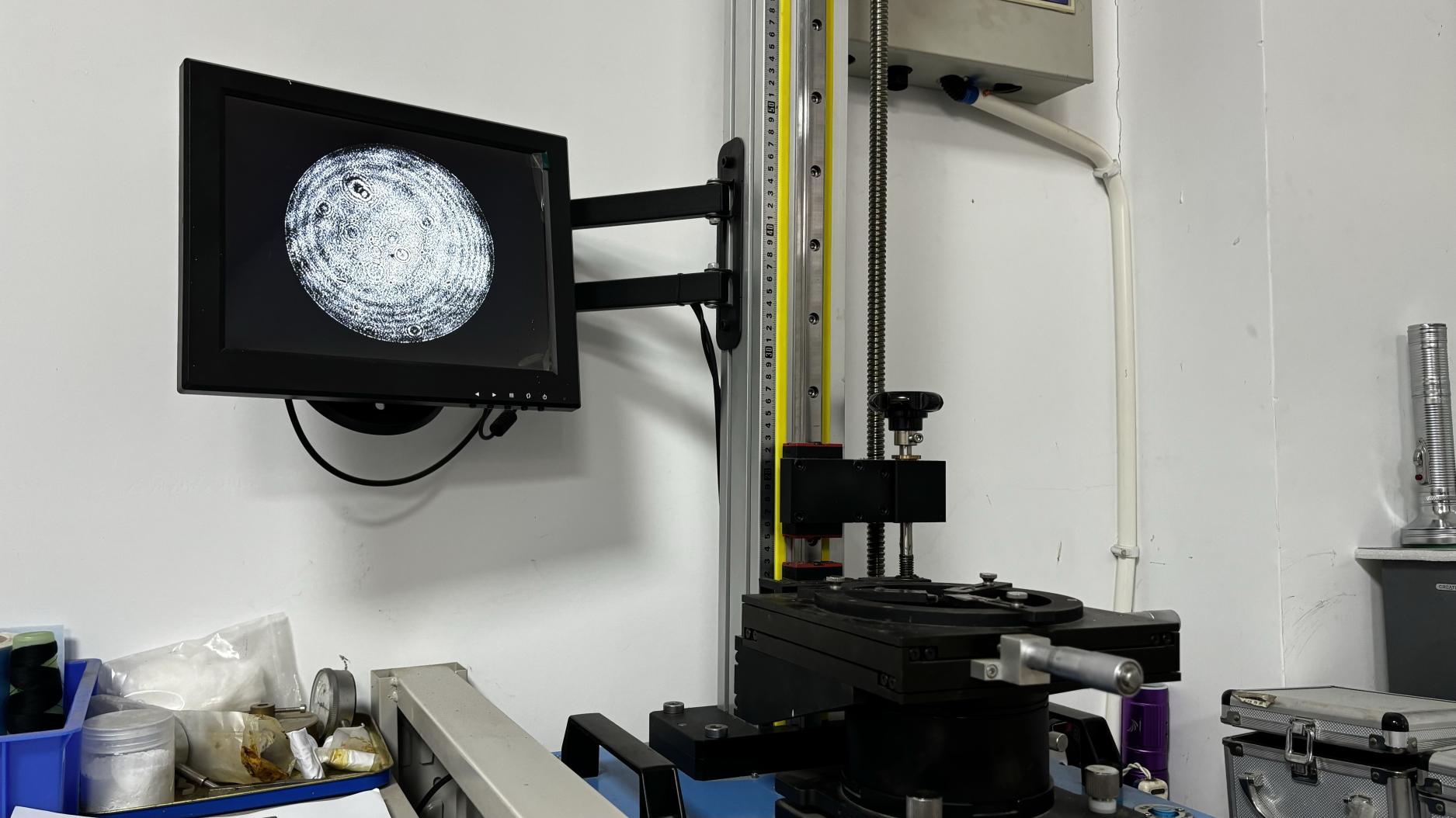
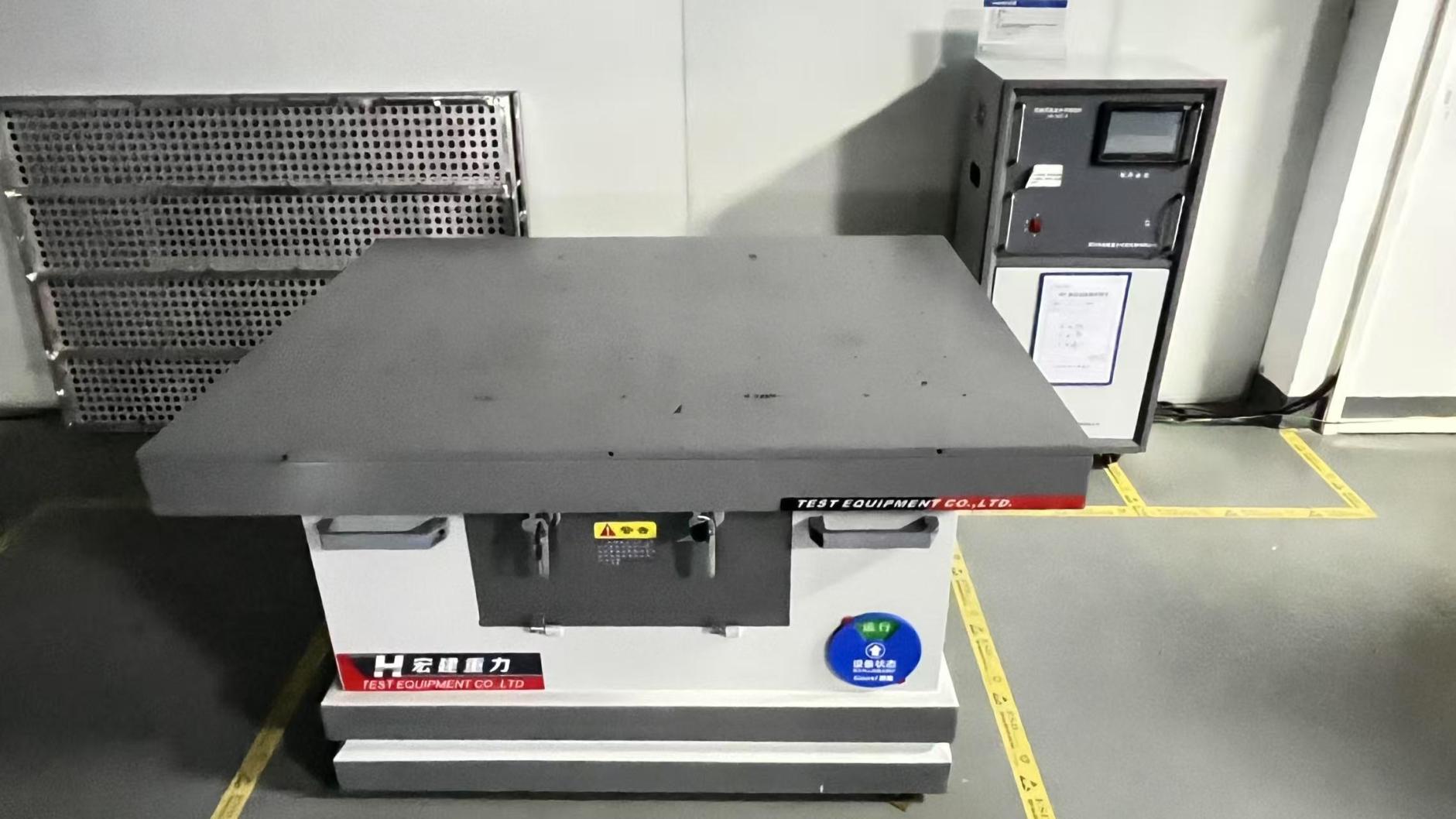
All servers go through a multi-stage testing process. This includes raw material verification, IPQC checking during assembly, full-load burn-in testing under controlled thermal conditions, and final FQC inspection. All components, interfaces, and memory arrays are verified before systems leave our facility.
Yes. The V7 platform is engineered with PCIe Gen 5 slots and high-capacity power routing to support multi-GPU installations. This ensures the high data throughput required for neural network training and high-density inference workloads.
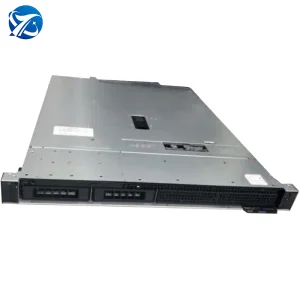
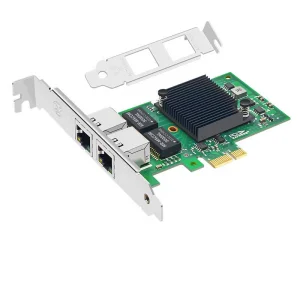
Datrix AI Computing Inc. provides customized server designs, custom firmware configurations, and reliable system testing. Contact us to discuss your requirements for Singapore and global deployment.
Send Inquiry Now