Datrix
Datrix
Datrix
Engineered to power extreme workloads, mining SCADA operations, and high-density local enterprise networks across Western Australia. Explore our immediate core networking solutions.
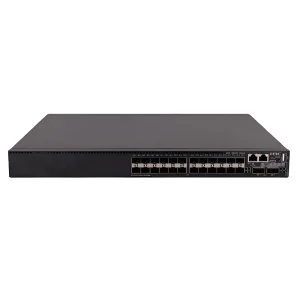
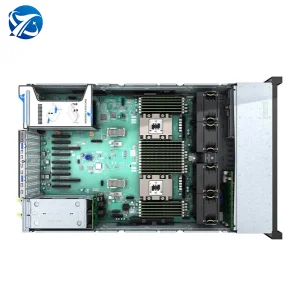
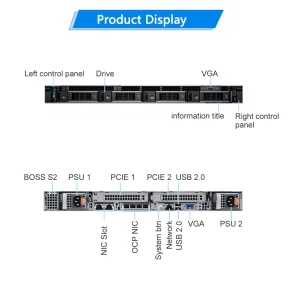
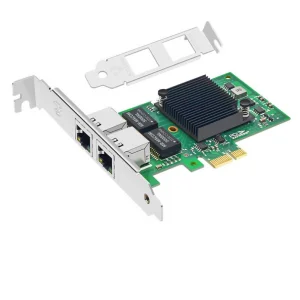
Perth is the economic and technological heart of Western Australia (WA). As the primary hub for global mining, offshore natural gas, and maritime logistics, the city demands highly resilient, industrial-grade IT infrastructure. From the corporate towers of St Georges Terrace to the remote processing installations in the Pilbara and Goldfields-Esperance regions, networking systems must endure conditions that would rapidly degrade standard commercial equipment. High temperatures, pervasive dust, electromagnetic interference from heavy machinery, and long-distance connectivity gaps define the localized environment.
Local IT departments and systems integrators in Perth face the challenge of bridging the physical distances between corporate networks and field assets. High-bandwidth backbone networks powered by L2/L3 managed switches are essential for maintaining real-time telemetry, SCADA system reliability, and secure unified communications. As Perth accelerates its transition to smart mine sites and automated port facilities (such as the Fremantle Port operations), the necessity for high-availability hardware with low latency becomes paramount.
Standard enterprise equipment often fails under Western Australia's harsh conditions. Industrial network switches must possess extended operating temperature ranges (-40°C to 75°C), robust IP-rated enclosures for dust and moisture protection, and advanced cooling mechanisms to prevent thermal throttling.
With the subsea cable projects linking Perth directly to Singapore (indigo) and Europe, local datacenters require high-capacity, low-latency transit channels. Core switches featuring 10G, 40G, and 100G uplink capacities ensure that local businesses maintain seamless international connectivity.
Our global manufacturing footprint, operating under the flagship of Datrix AI Computing Inc., is designed to satisfy the world’s most demanding requirements for high-performance computing (HPC) and networking infrastructure. We combine advanced mechanical designs, localized software customizations, and rigorous quality inspection paradigms to serve enterprise networks worldwide.
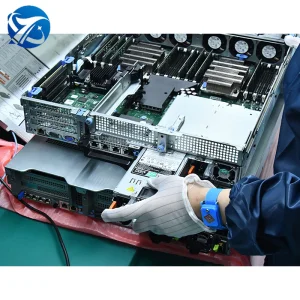
Our manufacturing operations utilize strict quality control checkpoints, beginning with Raw Material Inspection, transitioning through In-Process Quality Control (IPQC), and concluding with intensive functional and thermal burn-in procedures. This guarantees zero-defect deliveries to our partners in Perth and global markets.
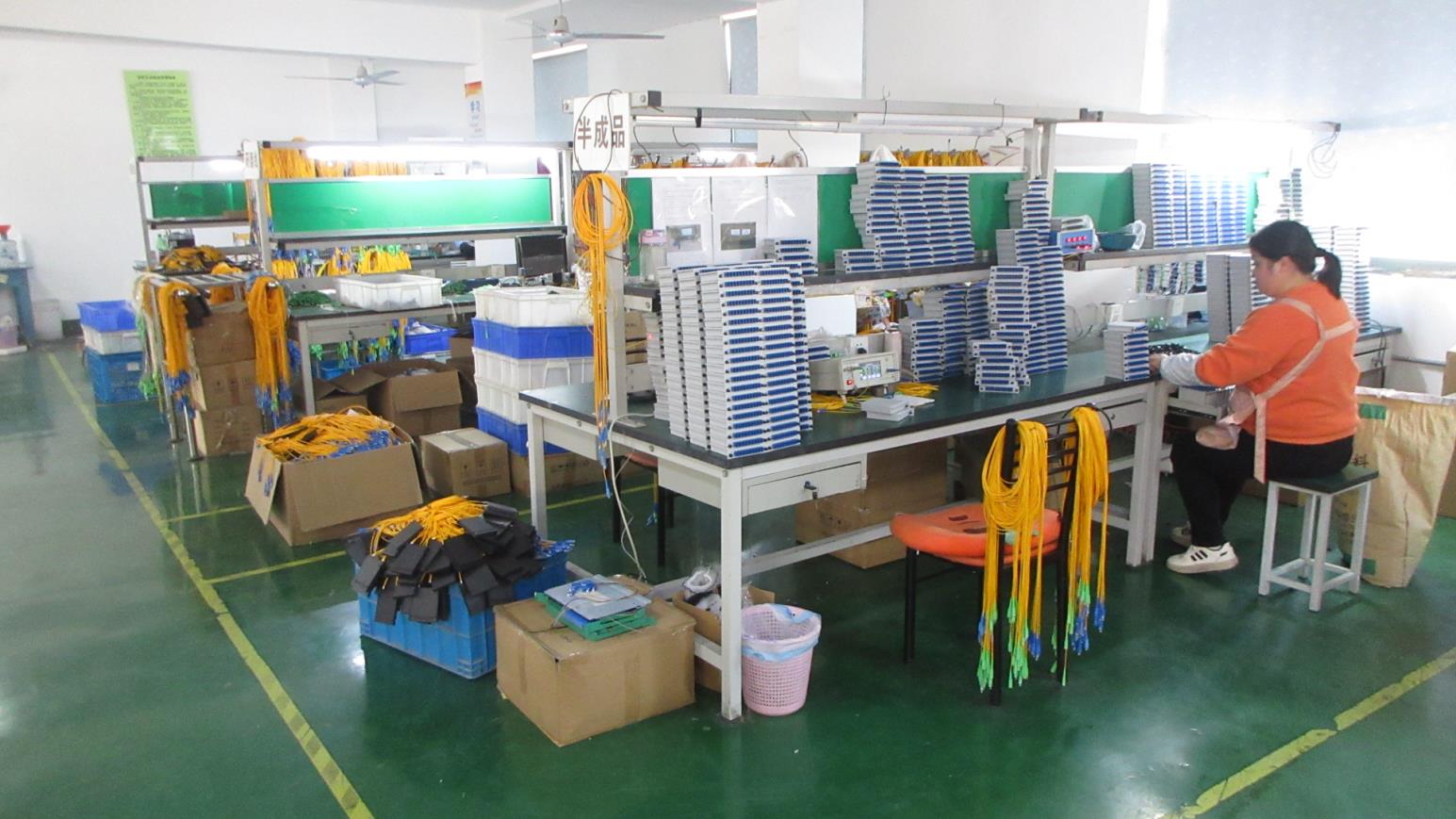
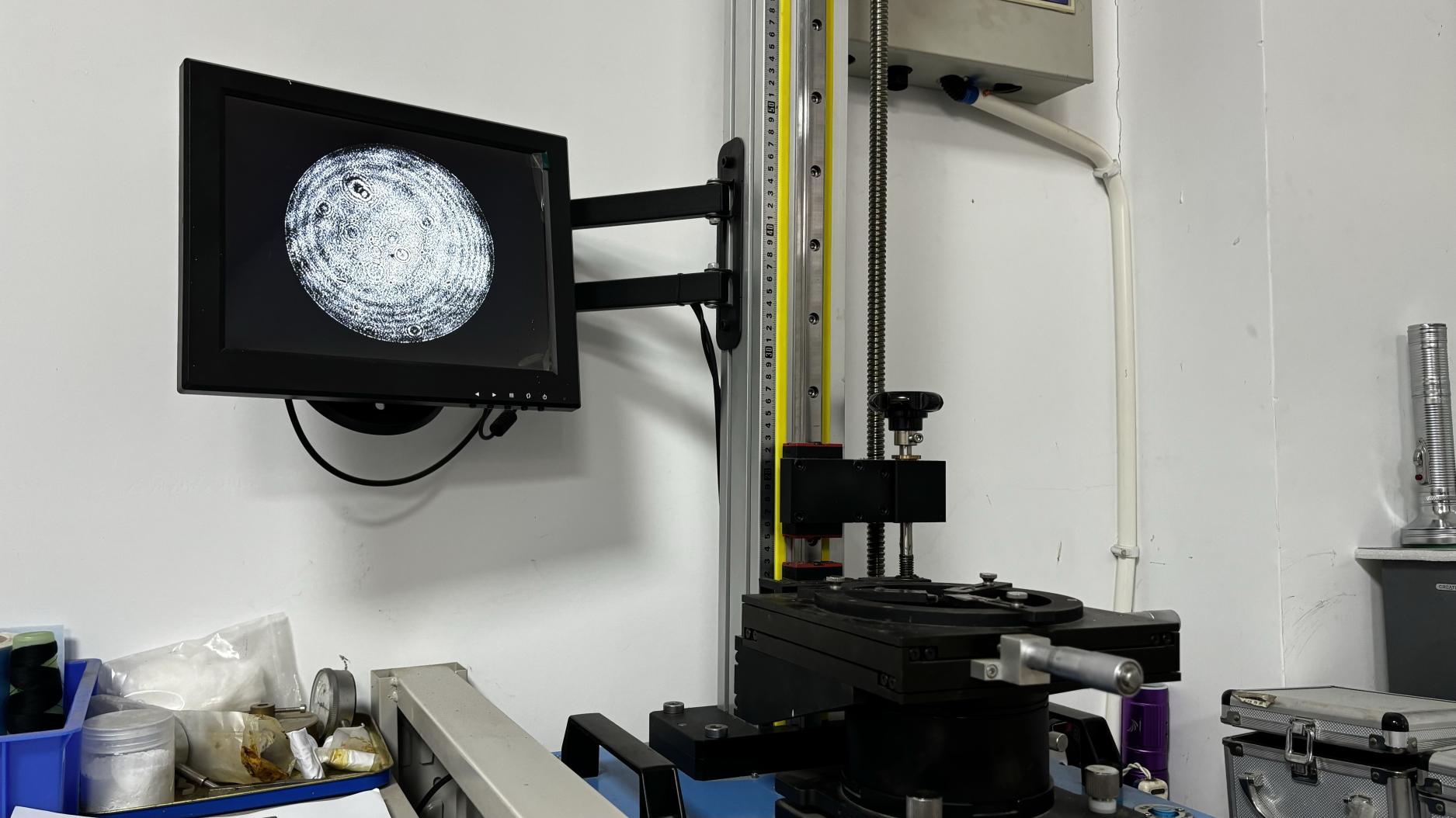
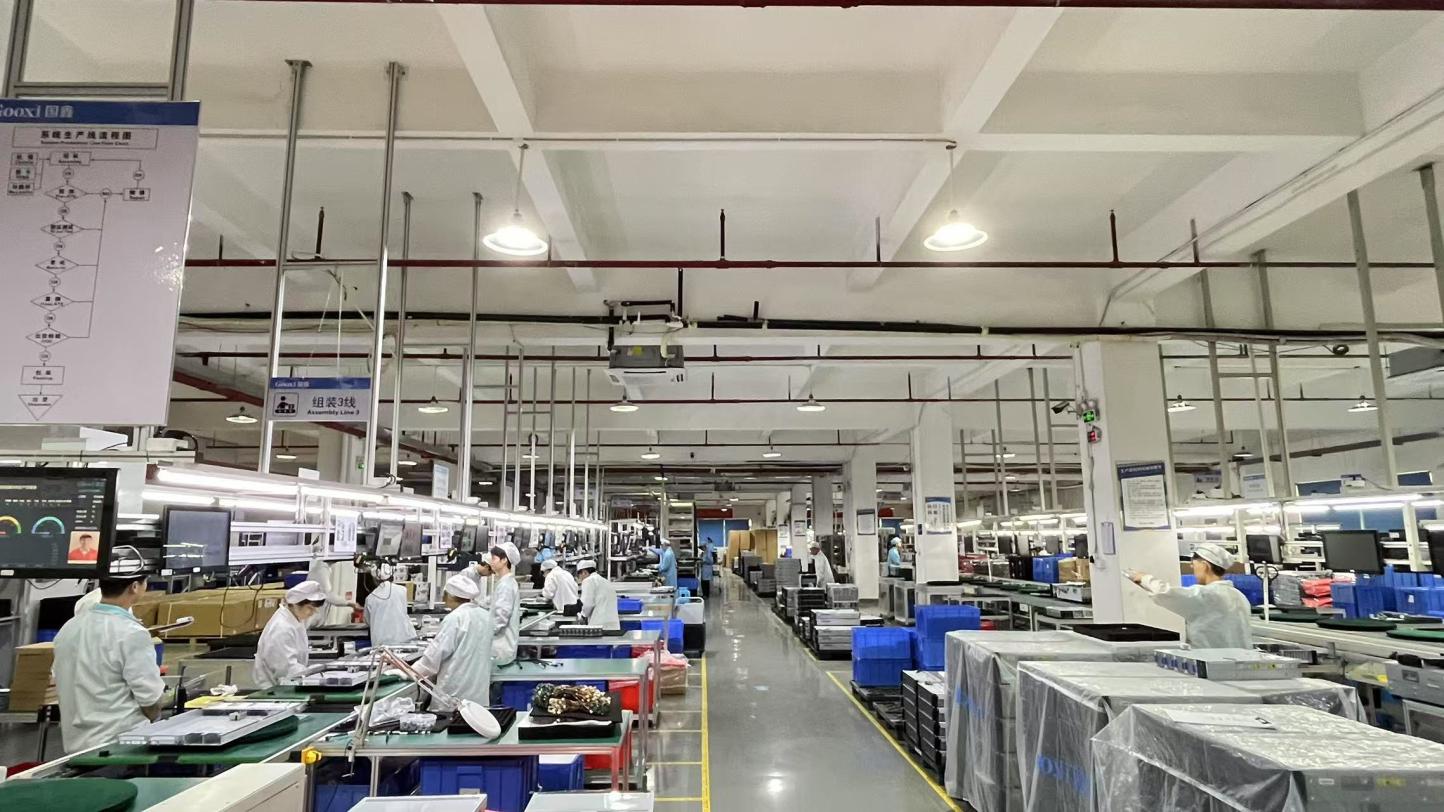
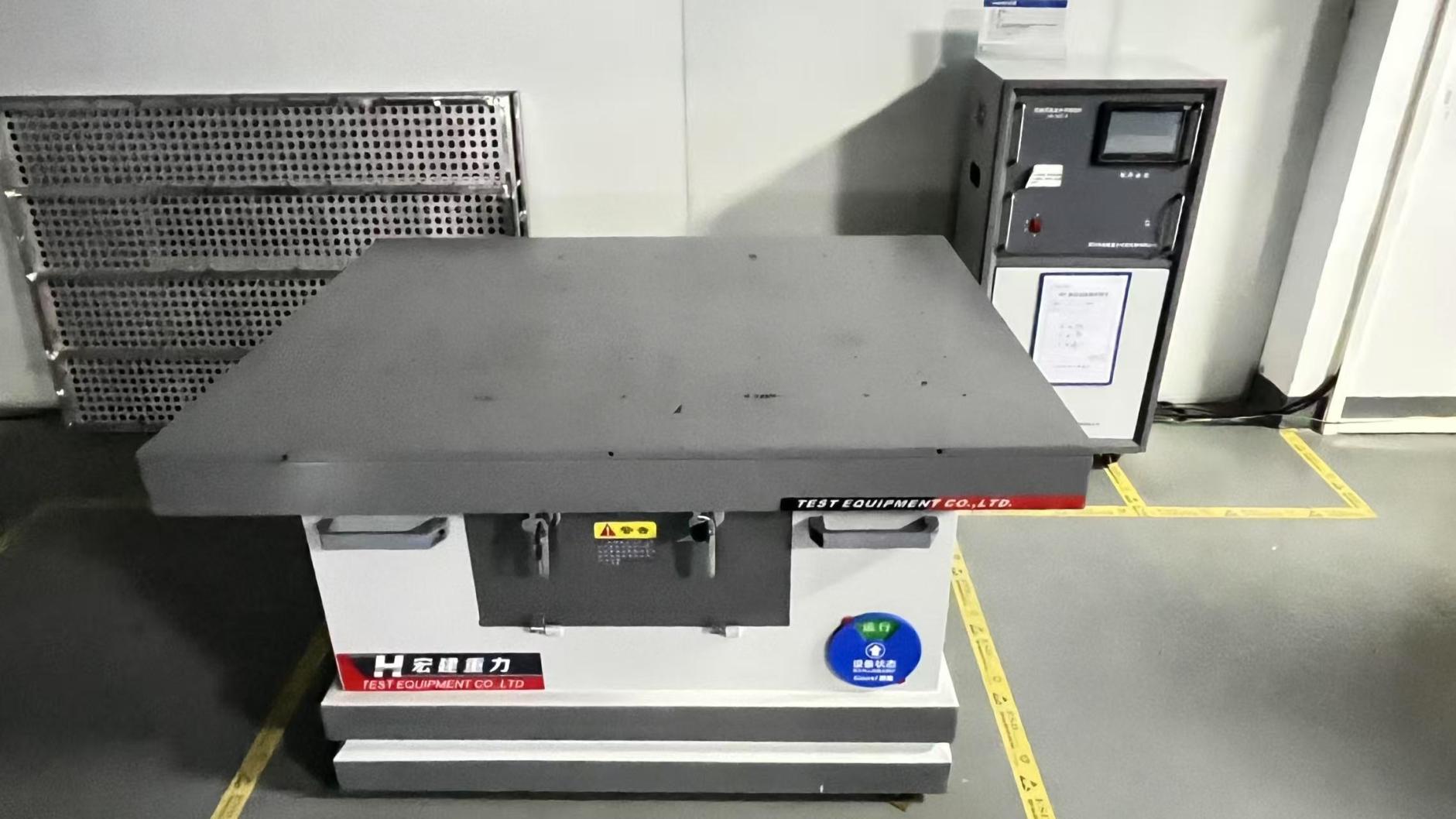
Purchasing network switches directly from our manufacturing centers in China provides a unique synthesis of high-level engineering, agility, and cost-efficiency. Our production processes scale rapidly to match changing project timelines in Western Australia.
By working with over 1,180 partners, we avoid the component shortages that delay Western enterprise builds. We source high-grade chips, optical components, and custom chassis direct, moving from order to production within days.
We customize hardware configurations, BIOS parameters, custom-brand front panels, and pre-install tailored software configurations to match specific Australian telecommunications compliance standards.
Every unit undergoes a standardized burn-in test under load. This reduces the risk of dead-on-arrival (DOA) units, which can cause significant setbacks on remote WA mine sites.
Modern network switch deployments are highly task-specific. We specialize in designing configurations suited for several Western Australian industry dynamics:
Mining operations require reliable data transport for autonomous haulage fleets, remote CCTV surveillance, and drill site SCADA systems. Our managed switches feature ring topology protocols (ERPS) that guarantee network recovery within milliseconds of a line disruption.
Corporate offices require low latency and high bandwidth to manage hybrid workforces, cloud services, and unified communication streams. High-density 10G/40G switches handle core-to-distribution routing without bottlenecking server environments.
Port operators need high reliability under marine conditions. Our switches resist salt mist spray and high vibration, keeping automation controllers, automated crane systems, and security gates connected without interruption.
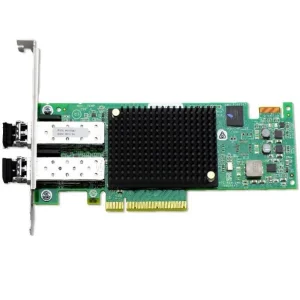
Perth is an important global research center. We configure server networking clusters with SFP28 / QSFP28 high-throughput adapters, allowing nodes to exchange datasets without communication bottlenecks.
Enterprise networking is shifting toward software-defined control and higher optical speeds. Staying ahead of these changes is essential for maintaining competitive performance:
Key information for network architects and procurement specialists sizing up local WA deployments.
Browse our broader portfolio of high-performance switches, GPU compute nodes, and high-speed network interfaces. Retaining all direct paths for enterprise RFQs.