Datrix
Datrix
Datrix
Explore our flagship configurations optimized for AI inference, massive cloud operations, high-density storage pipelines, and mission-critical applications.
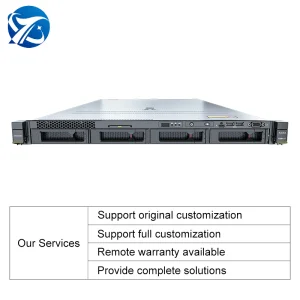
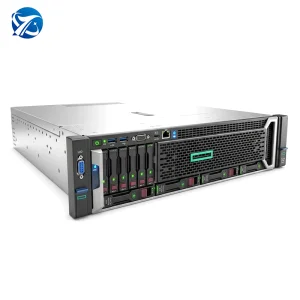
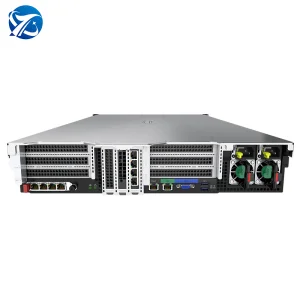
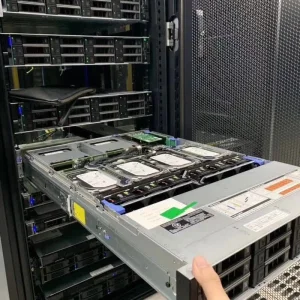
A Technical Overview of Hardware-Level Encryption, Cryptographic Isolation, and Computational Synergies in Enterprise Environments.
Secure data storage is no longer confined to software-level access controls and standard logical network protocols. In the modern era of high-density computation, hyperscale cloud environments, and highly sensitive machine learning nodes, hardware-based data isolation has become critical. Organizations operating at the intersection of Big Data and AI must guarantee confidentiality, availability, and integrity (the CIA triad) starting directly at the silicon level.
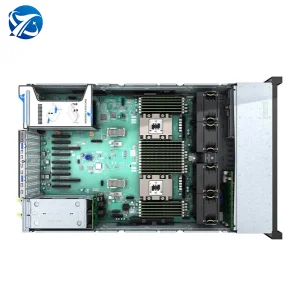
This fundamental shift is driven by hardware-level vulnerabilities, side-channel attack vectors, and the constant threat of physical compromise in multi-tenant data hubs. Secure data storage solutions require integration with high-speed controllers, custom BIOS security signatures, cryptographic co-processors like TPM 2.0 (Trusted Platform Modules), and Secure Encrypted Virtualization (SEV) protocols to ensure that data remains unreadable even if a physical drive array is extracted.
Modern AI systems, particularly platforms utilizing Large Language Models (LLMs) such as the Deepseek suite, require instant throughput and high-capacity pipelines. As models scale to billions of parameters, hardware architectures must balance high-compute GPU density with ultra-secure, low-latency caching arrays. High-speed NVMe and enterprise-grade SATA HDDs operate in concert with PCIe Gen 5 controllers to prevent CPU bottlenecks while securing the data stream.
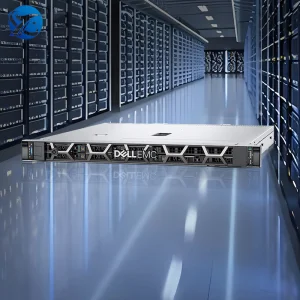
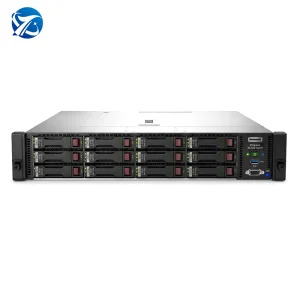
When utilizing systems like the HPE ProLiant Gen12 or the custom-configured Datrix GPU rack servers, the integration of liquid cooling architectures ensures that high thermal outputs from intensive computing processes do not lead to hardware degradation or error states, guaranteeing maximum reliability for operations.
A trusted global manufacturer providing customized hardware architecture for HPC, Deep Learning, and Secure Storage Infrastructure.
Established on August 18, 2016, Datrix AI Computing Inc. has emerged as a premium developer of high-performance GPU workstations and secure data center infrastructures. Over 12 years of industry experience has positioned our design engineers at the forefront of the technological envelope, facilitating OEM and ODM customizations across a worldwide distribution network spanning North America, Europe, Southeast Asia, the Middle East, and Australia.
Our design flexibility allows clients to specify exact configurations to align with legacy platforms:
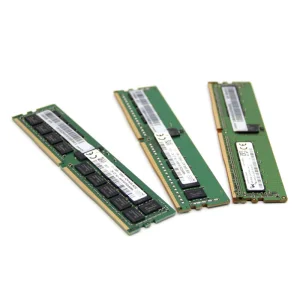
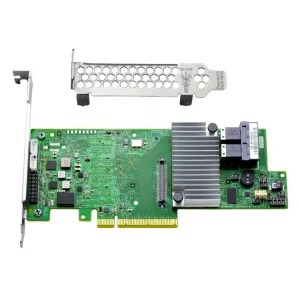
To support international clients, Datrix manages a robust supply chain network consisting of over 1,180 certified partners. This extensive network guarantees components availability, such as enterprise RAID controllers (including the PCIe 4.0 9560-16i with 8GB cache), RDIMM ECC memory modules, and physical server chassis, reducing delivery lead times even during volatile market fluctuations.
Additionally, with 126 new products launched just last year, our technological pipeline continuously integrates cutting-edge advancements, ensuring our buyers receive the most modern security systems available on the global market.
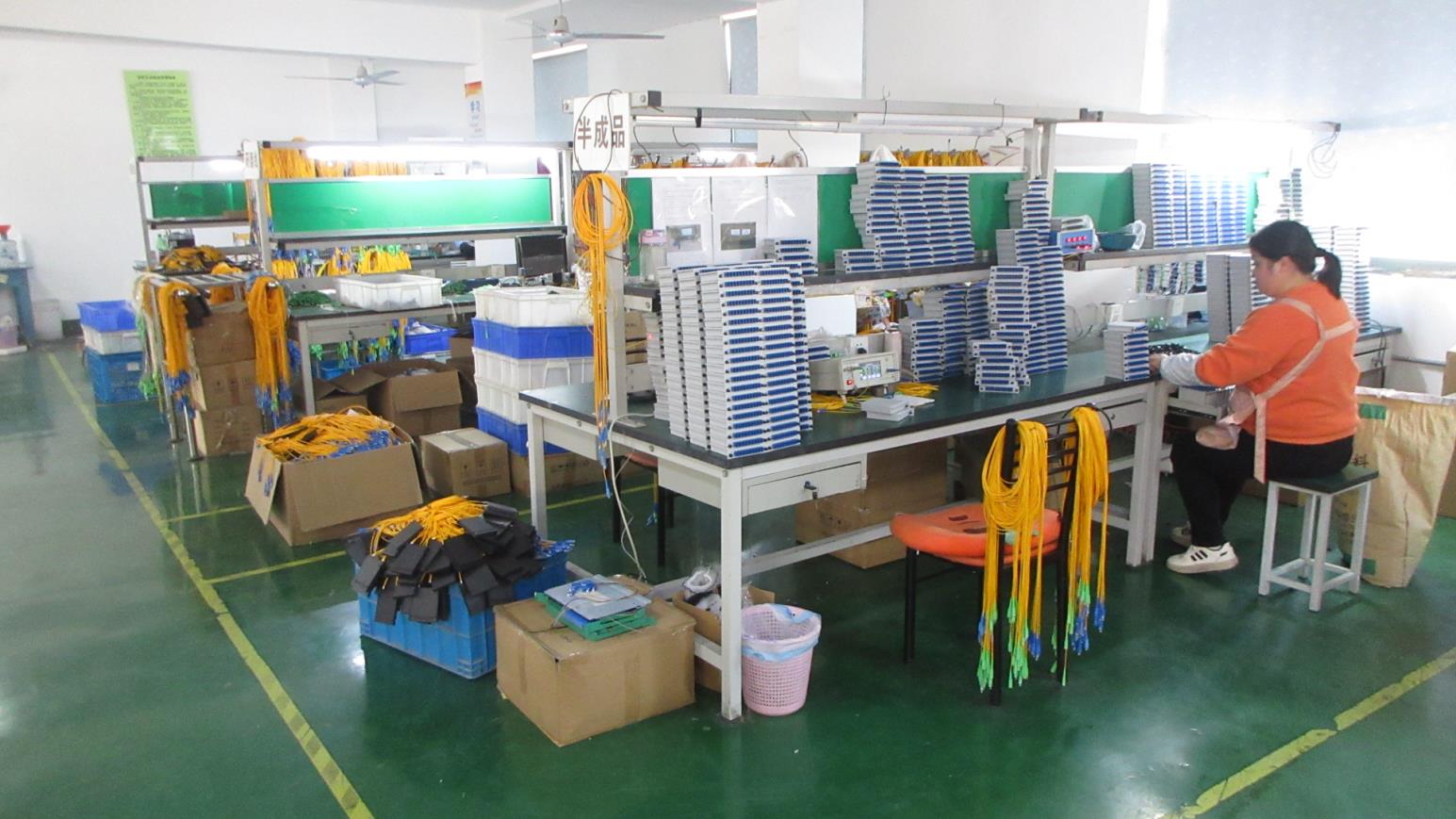
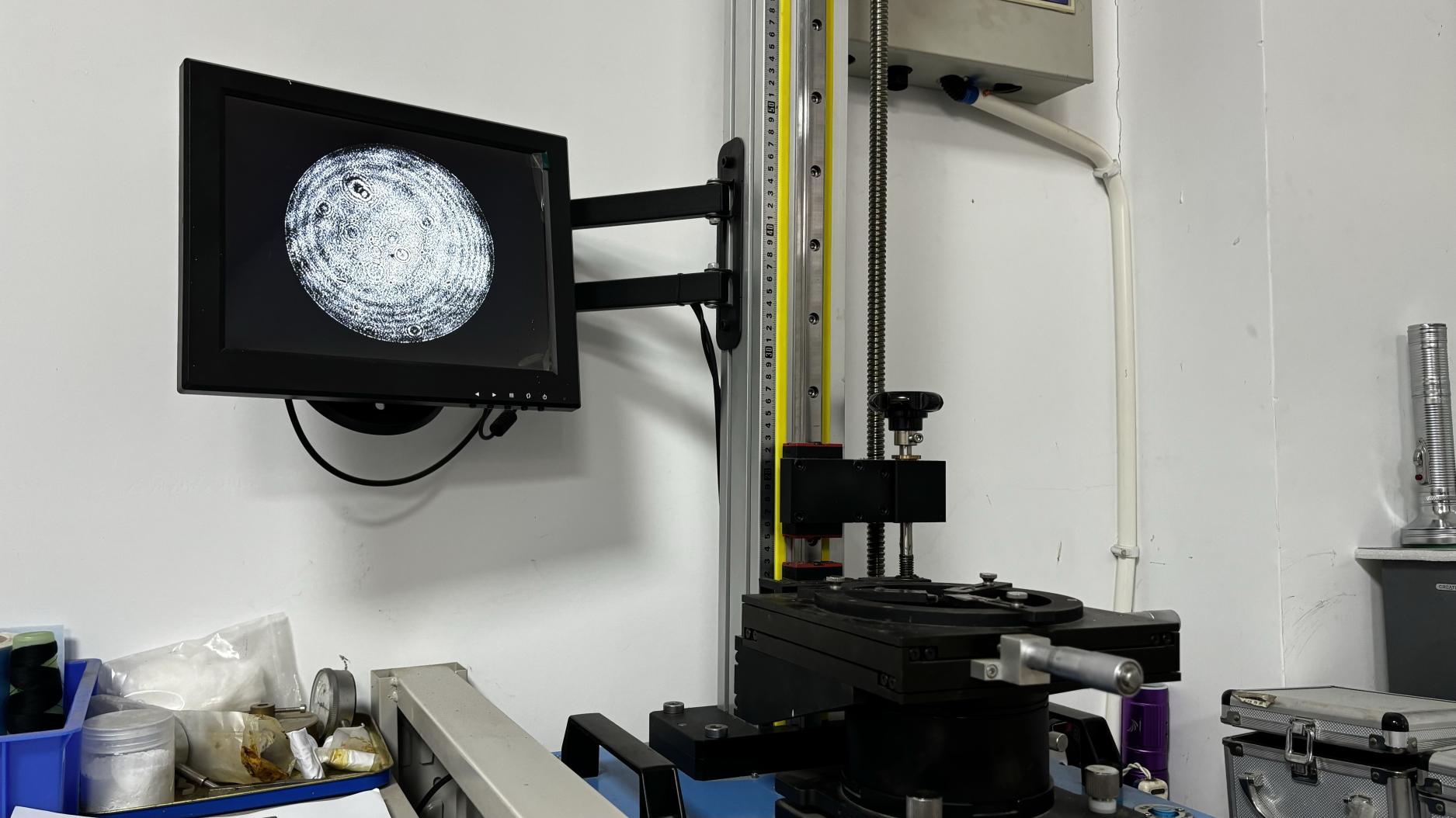
Behind our 100% pre-shipment success rate is a team of 52 specialized QC engineers deploying advanced diagnostic methodologies.
Why domestic vertical integration, supply chain concentration, and scaled manufacturing deliver superior cost-efficiency and product security.
The concentration of semiconductor component fabricators, precision chassis stamping facilities, and PCB printing units within the industrial hubs of China allows for immediate component sourcing. By eliminating long-distance transport overheads, development lifecycles are compressed, enabling rapid design changes and lower prototyping costs.
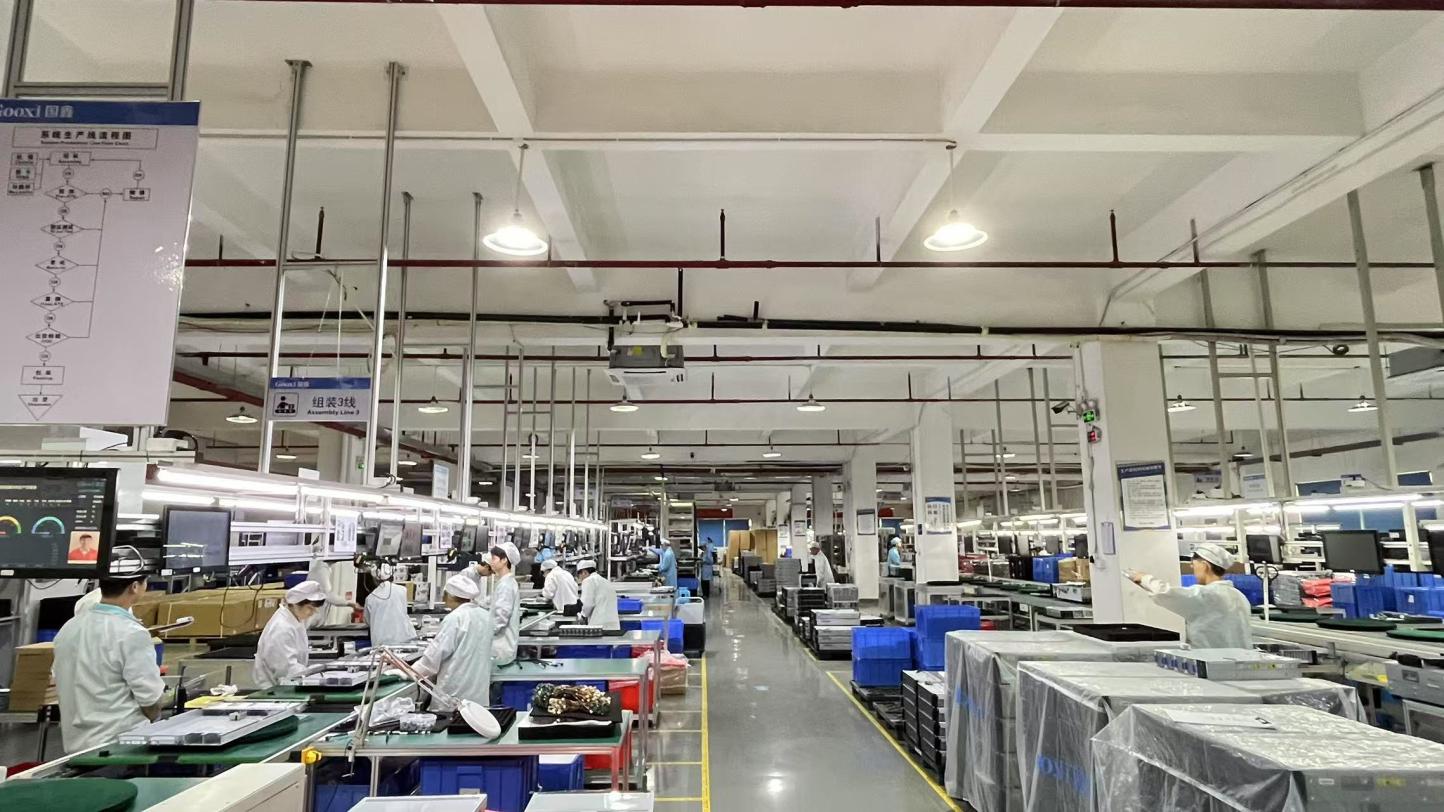
Modern Chinese factories leverage state-of-the-art automated surface-mount technology (SMT) and collaborative robotic units. This dynamic automation scales production while minimizing physical human error during mounting phases, ensuring clean solder joints and uniform assembly structure across thousands of computing nodes.
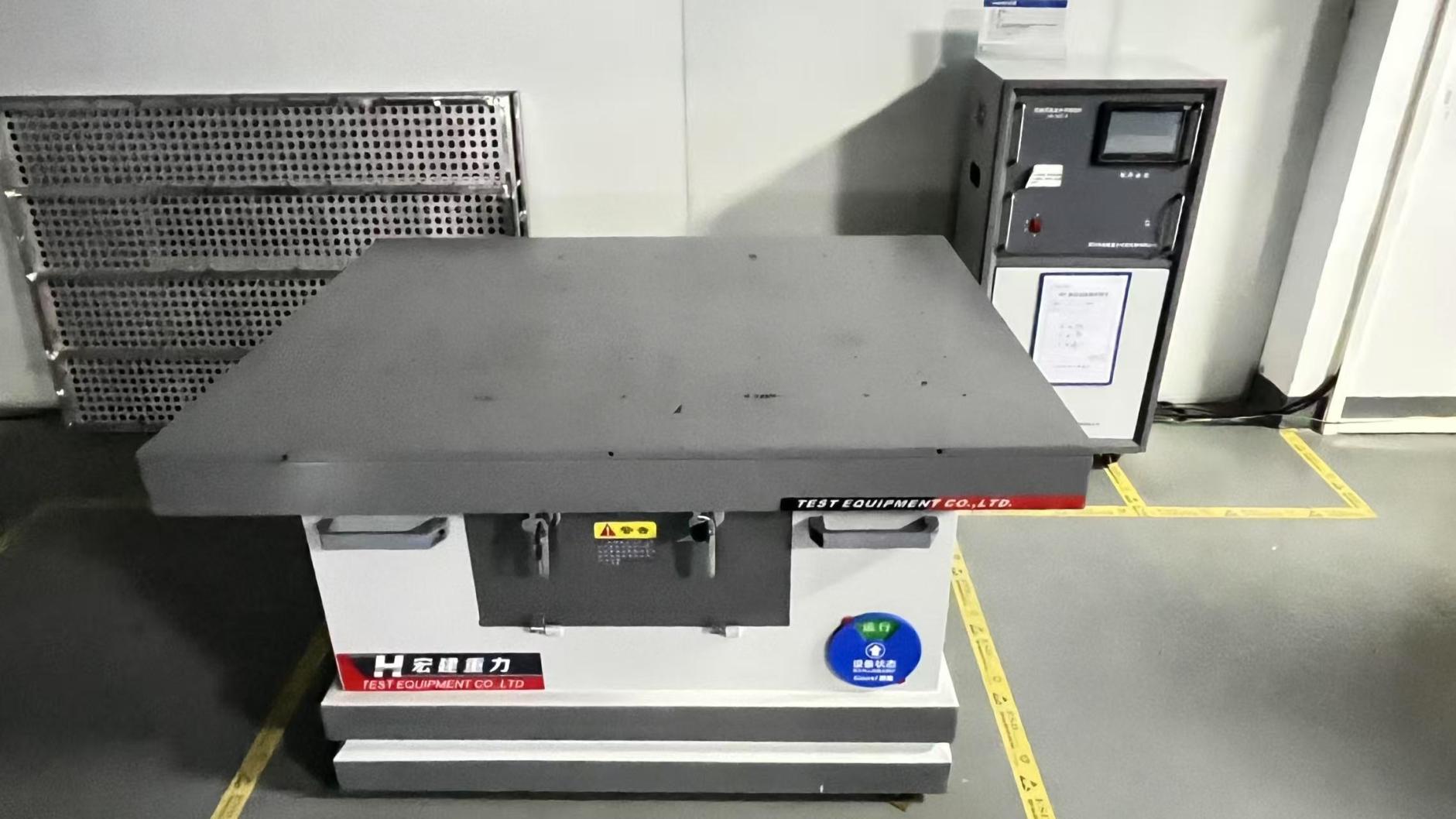
With strict state standards aligning directly with international regulatory certifications (such as CE, FCC, RoHS, and ISO 9001), Chinese manufacturers employ sophisticated environmental chamber testing, mimicking harsh deployment scenarios to eliminate early hardware wear and infant mortality phases.
Strategic movements shaping the architecture of enterprise data hubs over the next decade.
As thermal envelopes for high-performance GPUs and processors surpass 350-500 Watts per socket, traditional air-cooling designs face operational limits. High-density rack configurations, such as the liquid-cooled HPE DL360 Gen12 servers, are increasingly utilized. Liquid-to-air and direct-to-chip cooling loops enable data centers to run at reduced cooling costs, achieving optimal Power Usage Effectiveness (PUE) ratings.
Data encryption at rest is transitioning from software-based routines to hardware-accelerated processing engines. Next-generation servers utilize secure storage controllers with integrated cryptoprocessors. Real-time physical key rotation and cryptographic erase functions are standard requirements for sectors managing high-security, low-latency financial models and personal user data.
Applying custom physical node configurations to satisfy regulatory standards and specific computational demands.
For providers hosting LLM clusters (including Deepseek modeling software), servers are optimized for GPU bandwidth and caching. High-speed, short-depth OEM racks provide high-density GPU computing alongside enterprise SATA and NVMe storage systems to avoid performance bottlenecks.
Utilizing dual-socket platforms equipped with dedicated hardware RAID arrays (e.g., RAID 9560-16i) guarantees transaction log durability. Synchronous data mirroring and hot-swappable drives allow financial platforms to run continuously without risking database corruption.
In smart city deployments, data is processed locally at the edge. Short-depth chassis enable compact deployment in micro-datacenters. Secure data storage interfaces prevent data leaks from physical access points in uncontrolled outdoor settings.
A gallery showcasing our assembly lines, component auditing, and testing environment.
A technical checklist to guide procurement managers through system validation and vendor selection.
When purchasing data center equipment globally, procurement officers must verify regulatory compliance to ensure smooth deployment across different regions:
Before committing to volume purchases, verify the following configuration parameters with our technical engineering division:
Detailed insights on security protocols, shipping terms, customization limits, and hardware integration.
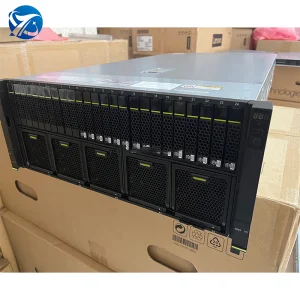
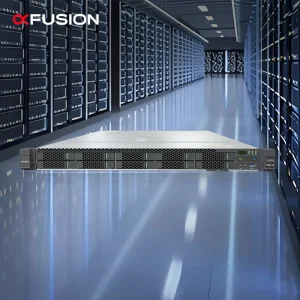
Premium server platforms, high-speed RAM modules, RAID cards, and enterprise SATA storage drives.