Datrix
Datrix
Datrix
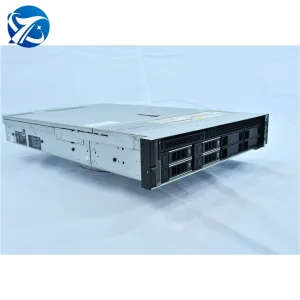
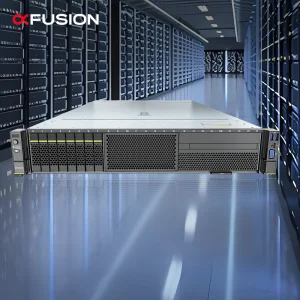
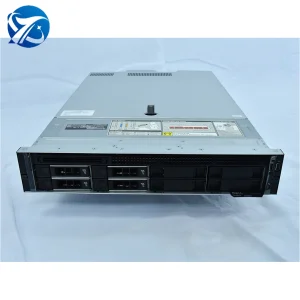
Explore our premium selection of server hardware, storage expansion arrays, and high-performance computing components engineered to operate seamlessly with high-density Power Distribution Units (PDUs).
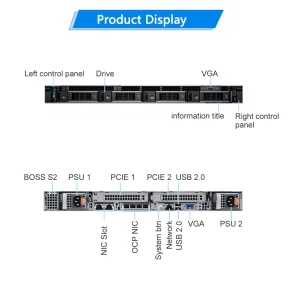
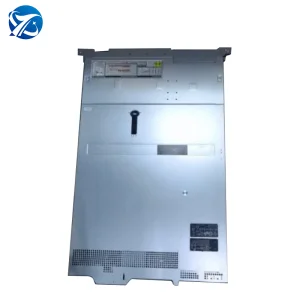
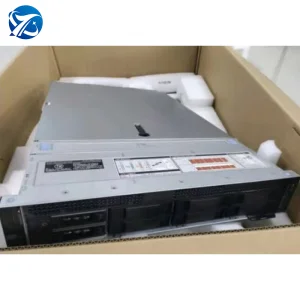
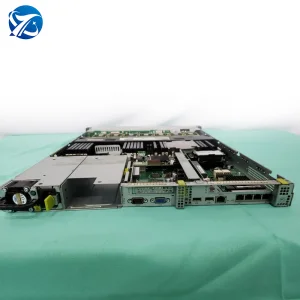
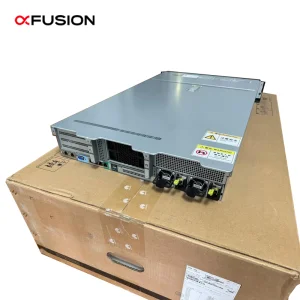
As deep learning architectures, heavy AI models, and large cloud data centers scale, the standard rack density has surged from 5kW to upwards of 30kW–100kW per cabinet. At this critical juncture, Power Distribution Units (PDUs) are no longer mere utility extensions; they represent the neural pathways of critical server infrastructure. Choosing the right PDU manufacturer is paramount to preventing thermal runaway, optimizing Power Usage Effectiveness (PUE), and maximizing server availability.
Real-time current monitoring, individual outlet switching, and automated threshold alerts minimize downtime by preventing localized overloads and managing transient inrush currents.
Next-gen intelligent PDUs integrate seamlessly with auxiliary temperature, humidity, and airflow sensors, delivering telemetry directly to Data Center Infrastructure Management (DCIM) tools.
Equipped with hydraulic-magnetic circuit breakers, high-temperature shell composites, and surge protection modules to ensure continuous operation under extreme thermal loads.
Datrix AI Computing Inc. is a leading professional manufacturer specializing in high-performance AI GPU servers, GPU workstations, and custom power distribution architectures. Our expertise spans system integration, structural cabinet power layouts, and complete hyper-scale data center optimization.
With over 12 years of industry experience and a robust R&D engineering force of 138 specialists, Datrix designs power distribution layouts and hardware frames that are fully optimized for standard Rack Power Distribution Units. We cooperate with over 1,180 supply chain partners to source high-grade raw components, copper core busbars, and industrial circuit breakers, ensuring robust power delivery for high-performance servers.
Sourcing Power Distribution Units directly from specialized Chinese manufacturing hubs offers global enterprises unparalleled structural and commercial advantages. Understanding these factors helps procurement managers optimize their supply chains.
From pure copper extrusion and sheet metal fabrication to circuit board assembly (PCBA) and automated testing rigs, China's hardware clusters facilitate rapid prototyping and component sourcing.
Chinese factories are highly responsive to custom demands. Whether you require specific socket configurations (IEC C13/C19, NEMA, Schuko), dual-input ATS functionality, or customized smart controllers, factories can easily adjust production lines.
Leading Chinese PDU factories align their engineering standards with globally recognized regulatory frameworks including CE, UL, RoHS, FCC, and CCC, guaranteeing safe deployment in North America, Europe, and APAC.
When engineering teams or system integrators source hardware, specifying the exact parameters of the required PDU saves deployment time and reduces field failures. Evaluate your candidates based on these critical metrics:
Procurement must match electrical capacities to the actual rack load demand:
Modern data centers demand smart features for out-of-band monitoring:
With the rise of generative AI models, servers require sophisticated rack-level electrical architecture. Standard off-the-shelf strip outlets are insufficient for the thermal and load demands of dense high-performance computing clusters.
Modern liquid-cooled racks utilize high-density manifolds alongside vertical PDUs. Factories must design slim chassis formats that fit into the margins of the rack cabinet without blocking critical exhaust paths or quick-disconnect coolant valves.
To support high-availability mission-critical infrastructures, our integration layouts recommend active-active dual-feed power paths. Color-coded chassis (Red/Blue or Black/White) simplify deployment and minimize human error during maintenance.
Next-gen intelligent PDUs support SNMP v3, Modbus RTU/TCP, and RESTful APIs (Redfish). This allows real-time telemetry mapping to central control systems, enabling dynamic load-capping during peak grid periods.
As regulatory pressure regarding carbon footprint and PUE indexes increases globally, several key technological transformations are shaping the future of PDU manufacturing.
By monitoring micro-fluctuations in current and internal PDU temperature spikes, machine learning algorithms can predict component failure or degrading power factor quality in specific power supply units (PSUs). This transition from reactive troubleshooting to predictive prevention minimizes unscheduled downtime.
Traditional PDUs are rated for 45°C or 50°C. Modern green data centers operate with elevated hot-aisle temperatures to conserve cooling energy. Leading factories now engineer high-temperature PDUs rated for continuous operation at 60°C (140°F) without derating output capacities.
The integration of solid-state circuit protection provides microsecond-level response times to short circuits and over-current events, protecting expensive GPU boards and NVMe storage systems from harmful voltage surges.
Environmentally conscious supply chains require lead-free solder processes, halogen-free internal wiring, and recyclable modular chassis designs that minimize e-waste at the end of their operational lifecycle.
Different environments pose unique challenges. Sourcing the correct configuration ensures that environmental demands do not compromise electrical reliability.
Focused on maximum packing density, high operating voltages (3-phase 415V), low cost-per-port, and hot-swappable network controller boards to facilitate rapid field repairs.
Small, often unattended remote cabinets that require robust remote-access security, built-in dry-contact sensors for cabinet door open/close monitoring, and compact form factor profiles (1U horizontal or short 0U vertical).
Characterized by high ambient particulate matter and electromagnetic interference. Ruggedized PDUs feature heavy shielding, metal lock ports, and dustproof protection covers for unused outlets.
Electrical distribution safety is non-negotiable. At Datrix AI Computing Inc., every system frame and hardware component undergoes a rigorous five-step quality testing pipeline before leaving our 18,600 m² factory floor.
All input copper wiring, circuit breaker units, and chassis metals undergo verification tests to check pure composition standards and mechanical durability thresholds.
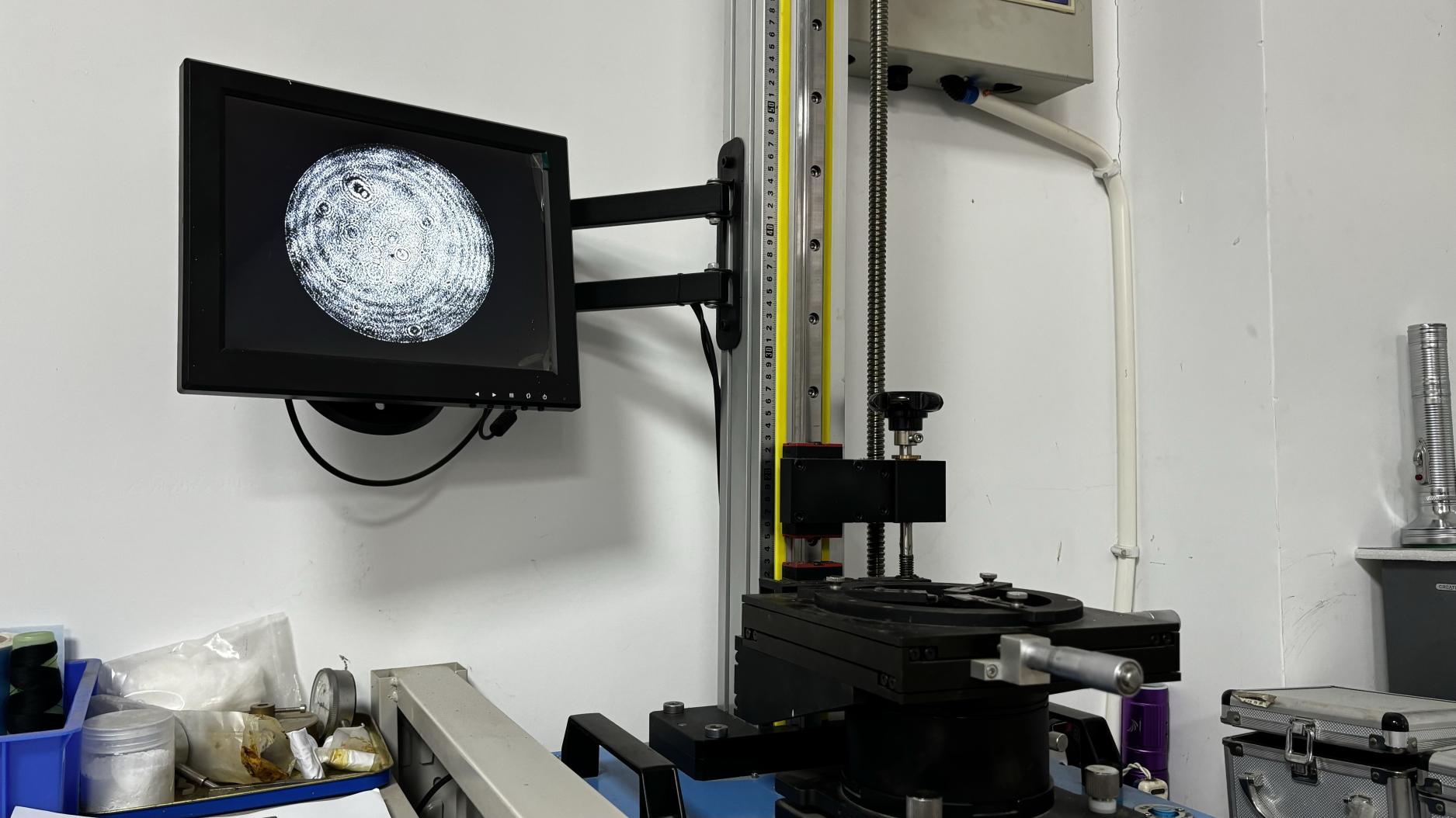
Automated optical inspections (AOI) monitor solder joints, connection ports, and mechanical tolerances at every stage of assembly.
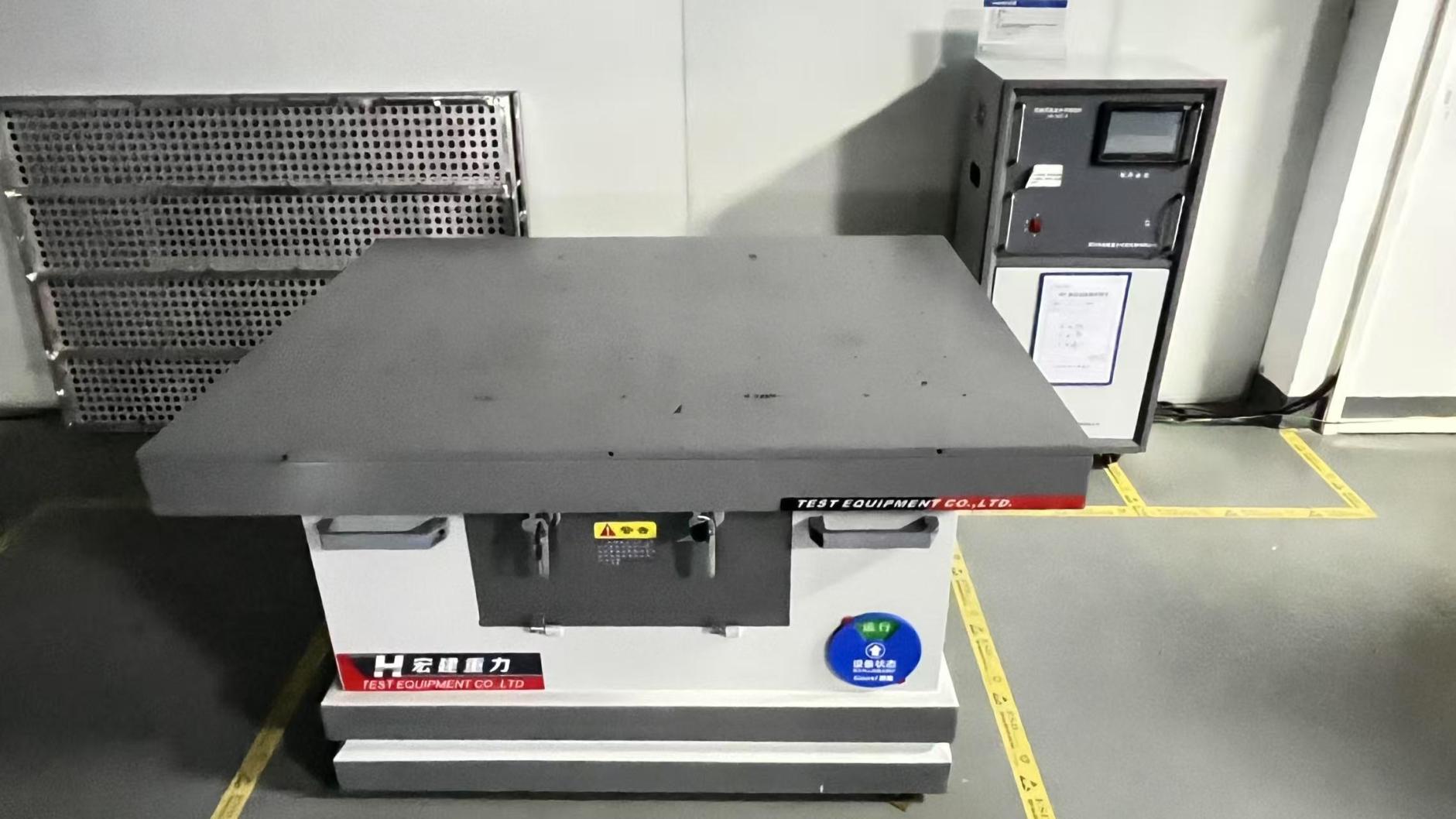
Assembled hardware is subjected to extended burn-in testing under peak simulated thermal and electric currents to identify early component failures.
Every unit receives a complete functional test, insulation resistance checks, and a comprehensive aesthetic audit before being approved for global export.
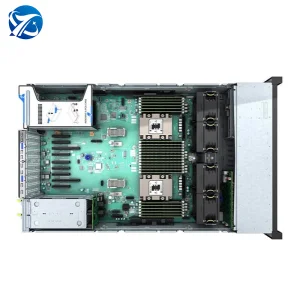
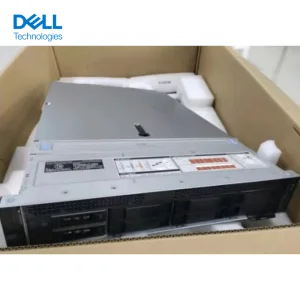
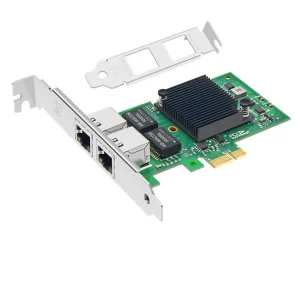
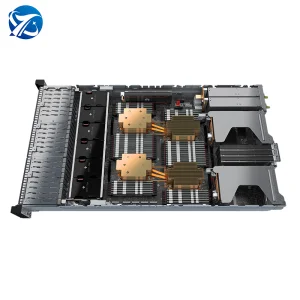
Browse our secondary catalog of dedicated servers, SAS controllers, and high-performance system configurations designed for modern infrastructure environments.
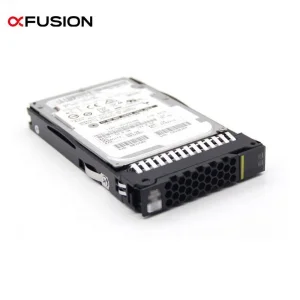
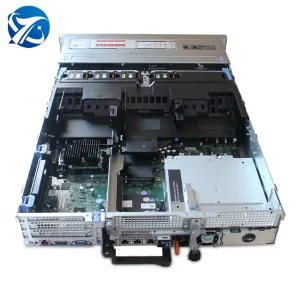
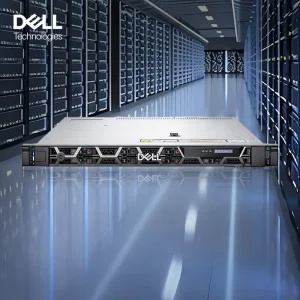
Find answers to technical and procurement questions about PDU integration, customization, and factory operations.
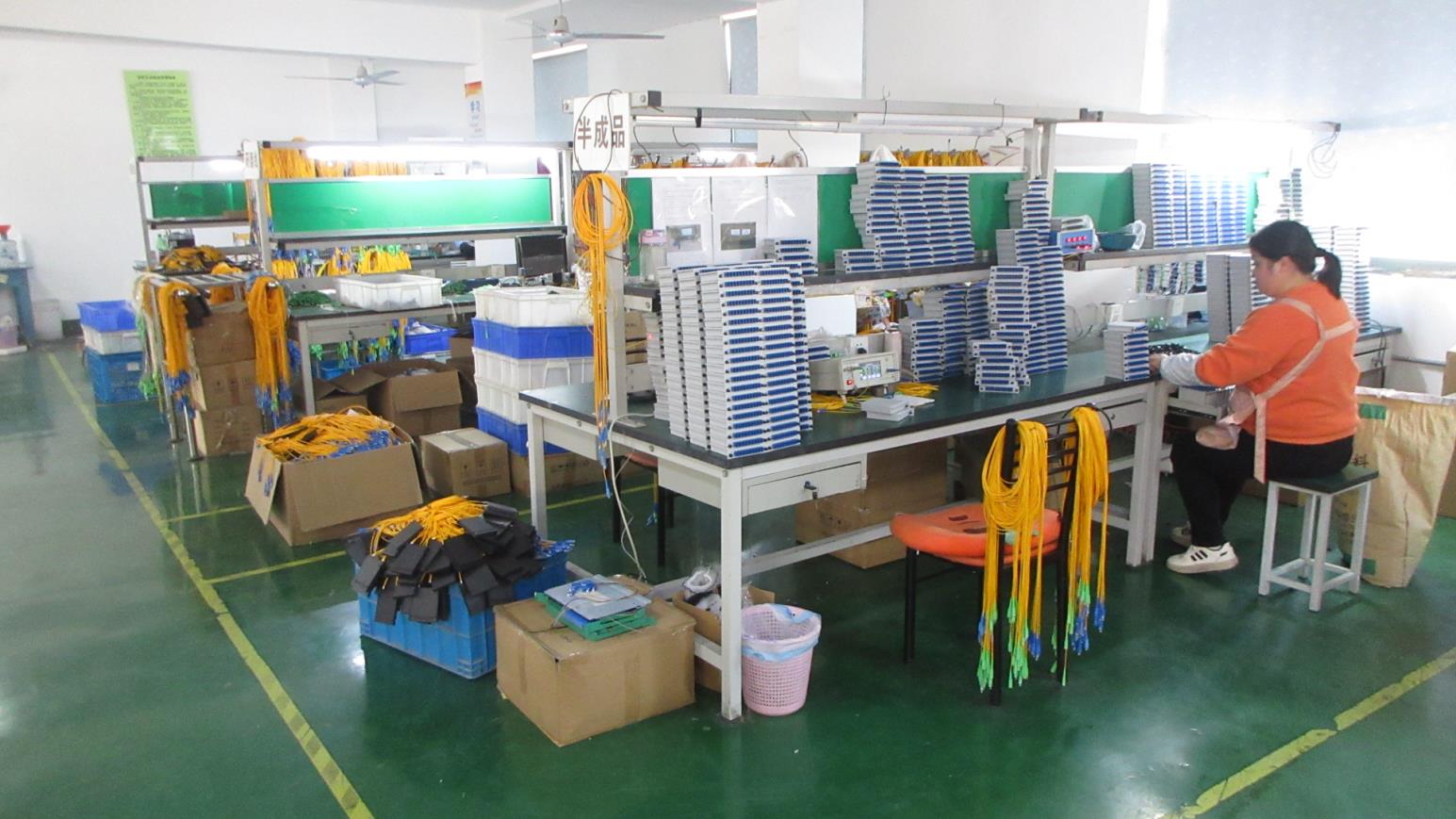
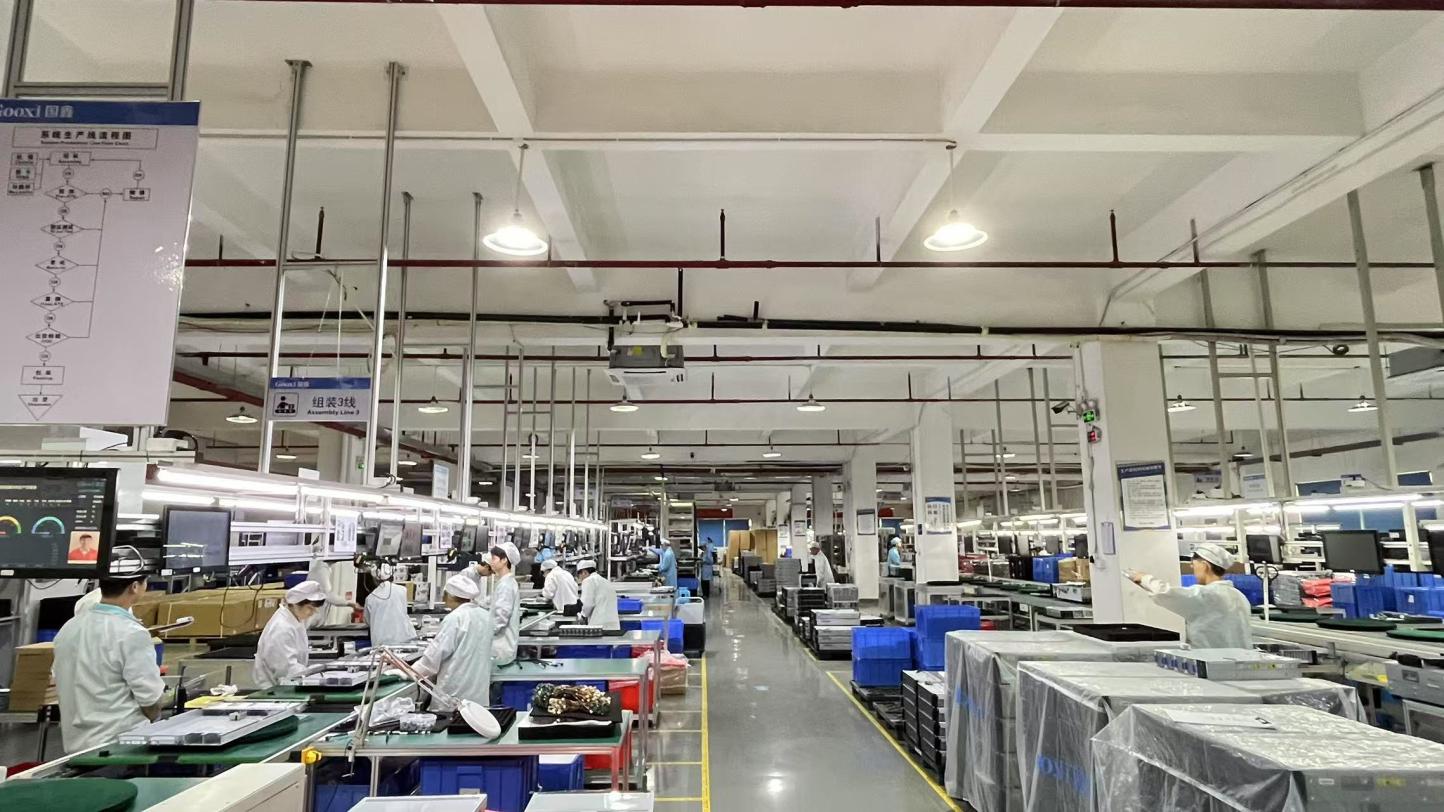
Review our manufacturing footprint, testing areas, assembly stations, and quality control departments. We operate under strict ISO standards to guarantee reliability.