Datrix
Datrix
Datrix
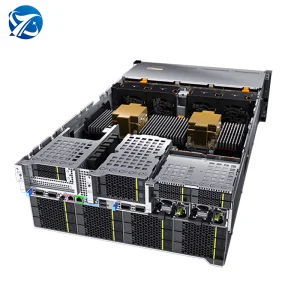
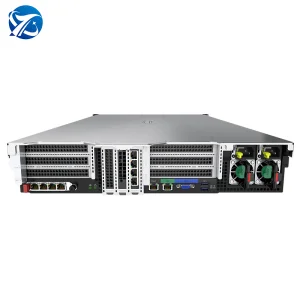
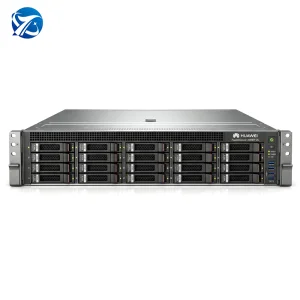
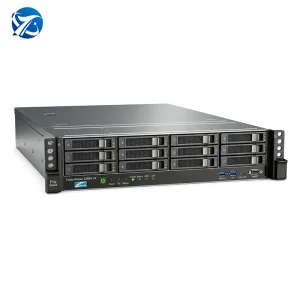
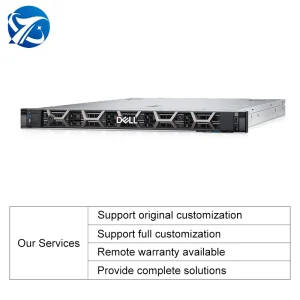

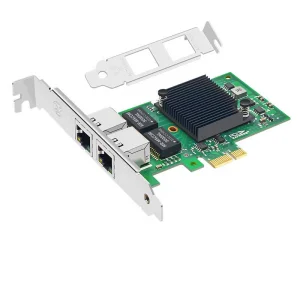
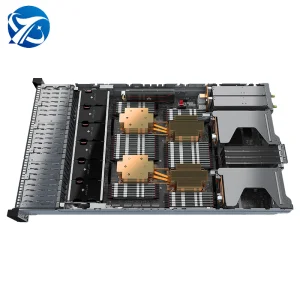
In the rapidly advancing landscape of high-frequency AI computation, hyper-scale cloud centers, and complex enterprise networks, copper and fiber-optic patch panels are no longer mere steel brackets holding connectors. They are critical physical-layer components that determine signal integrity, crosstalk elimination, and structural scalability. For IT decision-makers, sourcing patch panels through leading Chinese wholesale manufacturers ensures direct access to state-of-the-art automated manufacturing processes, reliable performance under high thermal loading, and strict compliance with standards like ANSI/TIA-568.2-D and ISO/IEC 11801.
Modern data centers running heavy GPU computation nodes—such as deep-learning server environments built on Xeon and dedicated graphics processors—demand massive network bandwidth. When deploying 10Gbps networks, Cat6A and Cat8 shielded (STP) patch panels act as the primary interface points that prevent Alien Crosstalk (ANEXT). Cheap or uncertified connectivity components trigger frame loss, signal degradation, and excessive packet retransmissions. These physical-layer bottlenecks can cripple the throughput of high-performance GPU cluster clusters, negating expensive investments in computing hardware.
Strict structural tolerances keep insertion loss and return loss below industry-mandated margins, safeguarding high-frequency signal pathways.
1U 24-Port or 48-Port configurations enable space-saving designs inside network cabinets, leaving more space for high-density cooling and servers.
360-degree shielding protection mitigates electromagnetic interference (EMI) generated by adjacent computing machines and power paths.
Globally, enterprise computing and telecom operations are undergoing a monumental shift towards edge computing nodes, AI storage centers, and smart industrial automation. This migration demands that physical distribution frames and patch panels remain robust, backward compatible, and highly adaptive. Patch panels act as the bridge between distribution areas (horizontal cabling) and core routing fabrics. In industrial environments, factory floors use rugged, DIN-rail patch panels to withstand vibration, dust, and electrical noise. In commercial high-rises, smart building systems rely on modular keystone patch panels to easily swap between fiber-optic connections, Cat6 copper connections, and coaxial lines.
As global power limits tighten, green cabling and heat dissipation have become major focus areas. High-power Power over Ethernet (PoE++ up to 90W/100W) is widely deployed to power wireless access points and smart surveillance systems. Patch panels must handle these elevated electrical currents without generating internal heat build-up that could damage the cable jackets. This has forced global manufacturers to design systems with optimized contact geometry and specialized PCB-based routing layers inside the panel assembly.
To understand the actual utility of structured patch panels, one must look at their deployment across multiple specialized verticals:
China's patch panel and connectivity hardware industry stands out globally due to its complete, integrated supply chain and massive production capacity. Located in major industrial clusters (such as Ningbo and Shenzhen), Chinese manufacturers leverage close proximity to raw material producers—such as copper refiners, specialized plastics molders, and automated PCB assembly plants. This localized supply chain reduces transport times, insulates production from global logistics disruptions, and ensures stable material pricing.
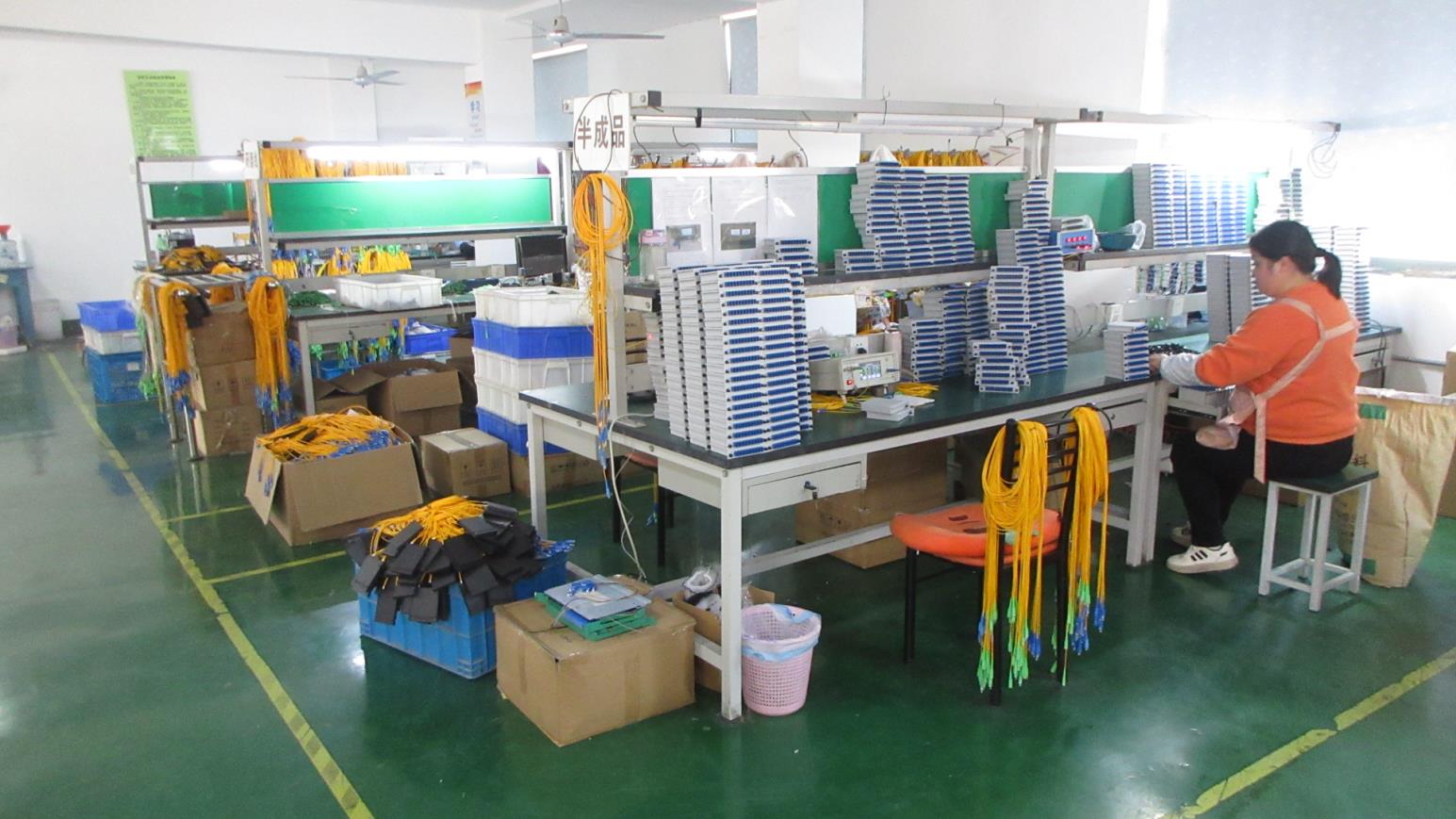
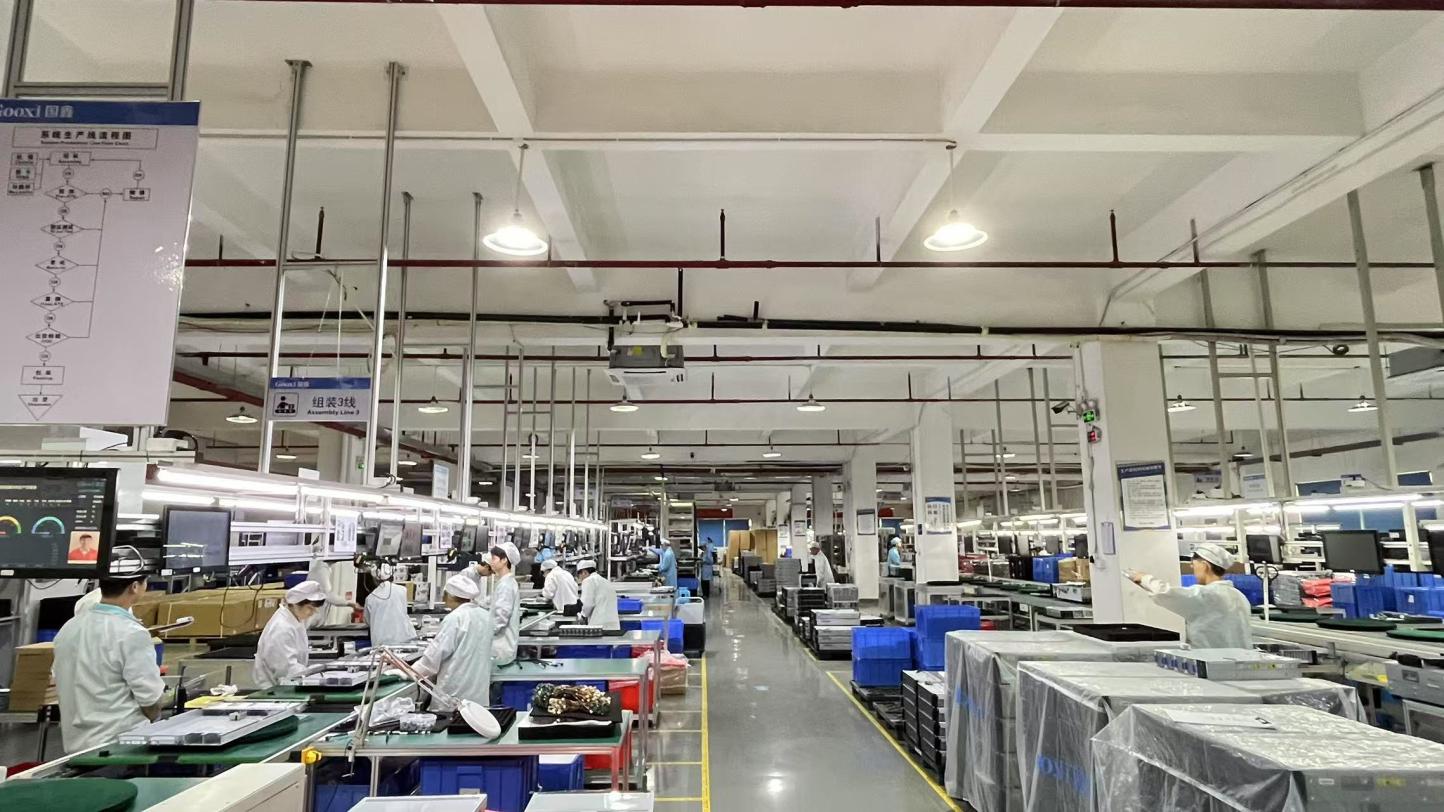
Furthermore, China’s wholesale manufacturing landscape has transitioned from manual assembly to high-precision automation. Advanced plastic injection molding machines, automated gold-plating lines, and computer-guided wire testing suites run round-the-clock. This allows factories to offer high-volume OEM/ODM manufacturing without sacrificing dimensional accuracy. A single plant can seamlessly transition between stamping RJ45 ports and producing custom fiber-optic patch panels, offering unparalleled flexibility to global system integrators and distributors.
The structured cabling roadmap is moving toward extreme high-density systems and smart management features. We are seeing a transition from traditional copper patch panels to hybrid, intelligent solutions:
Enterprise-grade patch panels must carry internationally recognized certifications to verify their safety, performance, and longevity:
ANSI/TIA-568.2-D: Dictates transmission standards up to Cat8 frequency levels. ISO/IEC 11801: Worldwide standard validating class EA and FA channel performance. Fluke Link Test: Individual unit verification ensuring negligible NEXT (Near-End Crosstalk) and Return Loss.
UL 94V-0: Flame-retardancy standards for plastic components, preventing toxic fire spread. RoHS & REACH: Guaranteeing the exclusion of hazardous materials and heavy metals, safeguarding green buildings and safe handling.
Datrix AI Computing Inc. is a professional manufacturer specializing in high-performance AI GPU servers, GPU workstations, and customized computing infrastructure for AI training, deep learning, HPC, cloud computing, and enterprise data centers. With a strong focus on innovation, product reliability, and customer satisfaction, we provide scalable GPU computing solutions for system integrators, distributors, research institutions, and enterprise clients worldwide.
Our experienced engineering team continuously develops advanced server platforms compatible with the latest GPU technologies, delivering outstanding performance, energy efficiency, and long-term stability. From OEM/ODM customization to complete AI infrastructure deployment, Datrix offers flexible manufacturing capabilities and comprehensive technical support to meet diverse customer requirements.
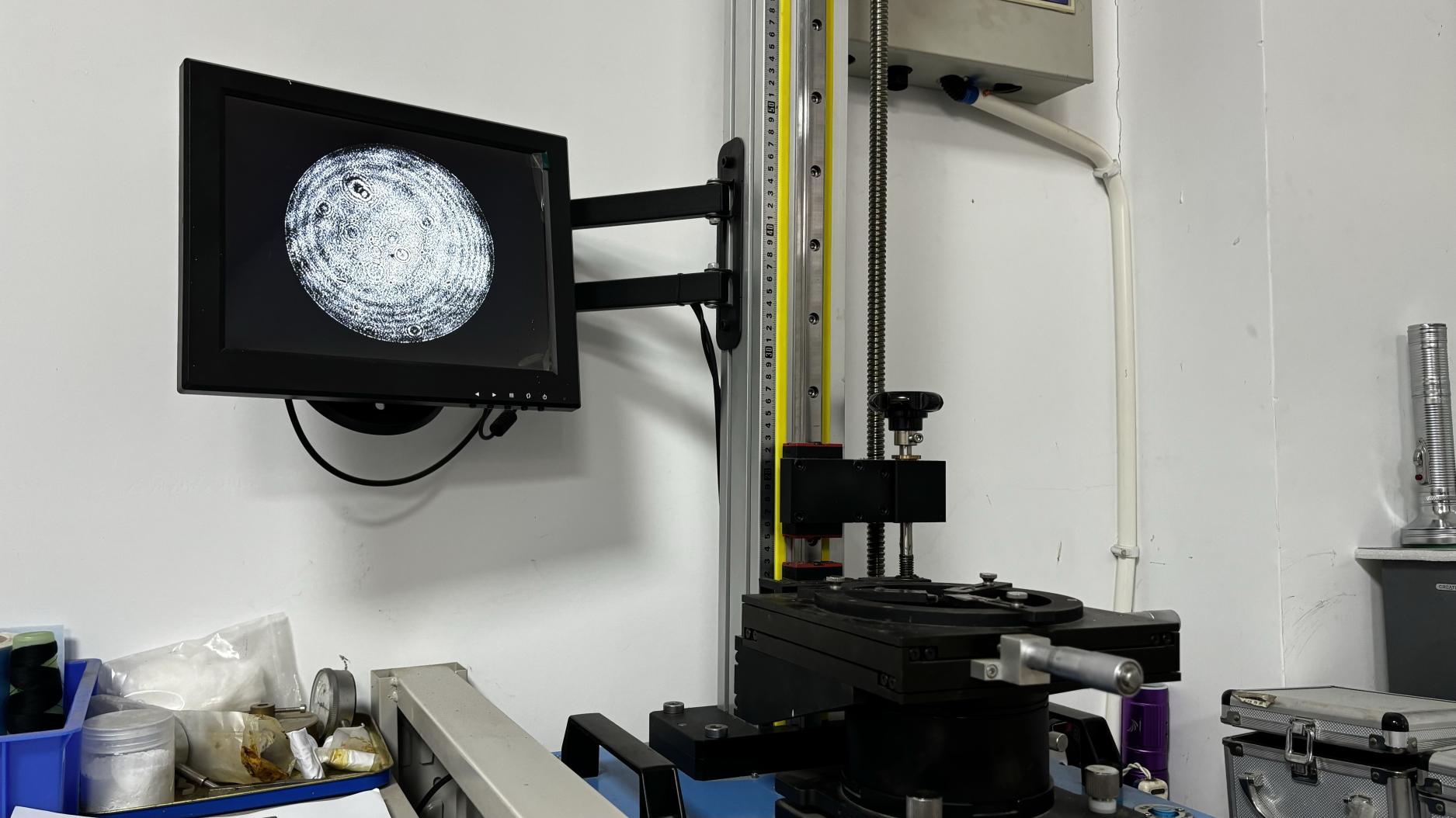
Datrix AI Computing implements 100% Pre-shipment Inspection procedures. Our quality control methods include Raw Material Inspection, In-Process Quality Control (IPQC), Functional Testing, Burn-in Testing, and Final Quality Inspection (FQC) to maintain consistent reliability for all outbound hardware.
Get authoritative answers on performance characteristics, standard compliance, and structural parameters when sourcing wholesale connectivity components.
The main difference lies in operating frequency, bandwidth capability, and shielding specifications. Cat6 supports frequencies up to 250 MHz for 1Gbps systems. Cat6A increases this to 500 MHz, maintaining low cross-talk levels to reliably carry 10Gbps signals over long distances (100 meters). Cat8 operates at a massive 2000 MHz (2 GHz) over short distances (30-meter channels), requiring fully shielded (STP) constructions to meet standard 25G/40G data transmission speeds inside data centers.
Gold is highly resistant to oxidation and corrosion. 50-micron gold plating provides the thickest barrier against air exposure, humidity, and constant physical friction from inserting and removing connectors. Cheaper plating alternatives (such as flash gold or 15-micron plating) degrade quickly, resulting in micro-corrosion that increases resistance and leads to packet drops over time.
PoE++ (Type 4, up to 90W/100W) delivers power directly over copper cable strands. When many PoE++ cables are bundled closely in a patch panel, resistance causes heat to build up. Leading manufacturers utilize high-temperature resistant PCB materials, optimized spacing, and heat-resistant ABS plastics to ensure the patch panels can safely handle the cumulative thermal load without melting or causing signal distortion.
Modular patch panels use individual keystone jacks instead of fixed PCB board connections. This lets installers mix copper, fiber, and coaxial connections in the same 1U rack space. Additionally, if one port fails, only that single keystone jack needs to be replaced, avoiding the need to re-terminate all 24 or 48 ports.
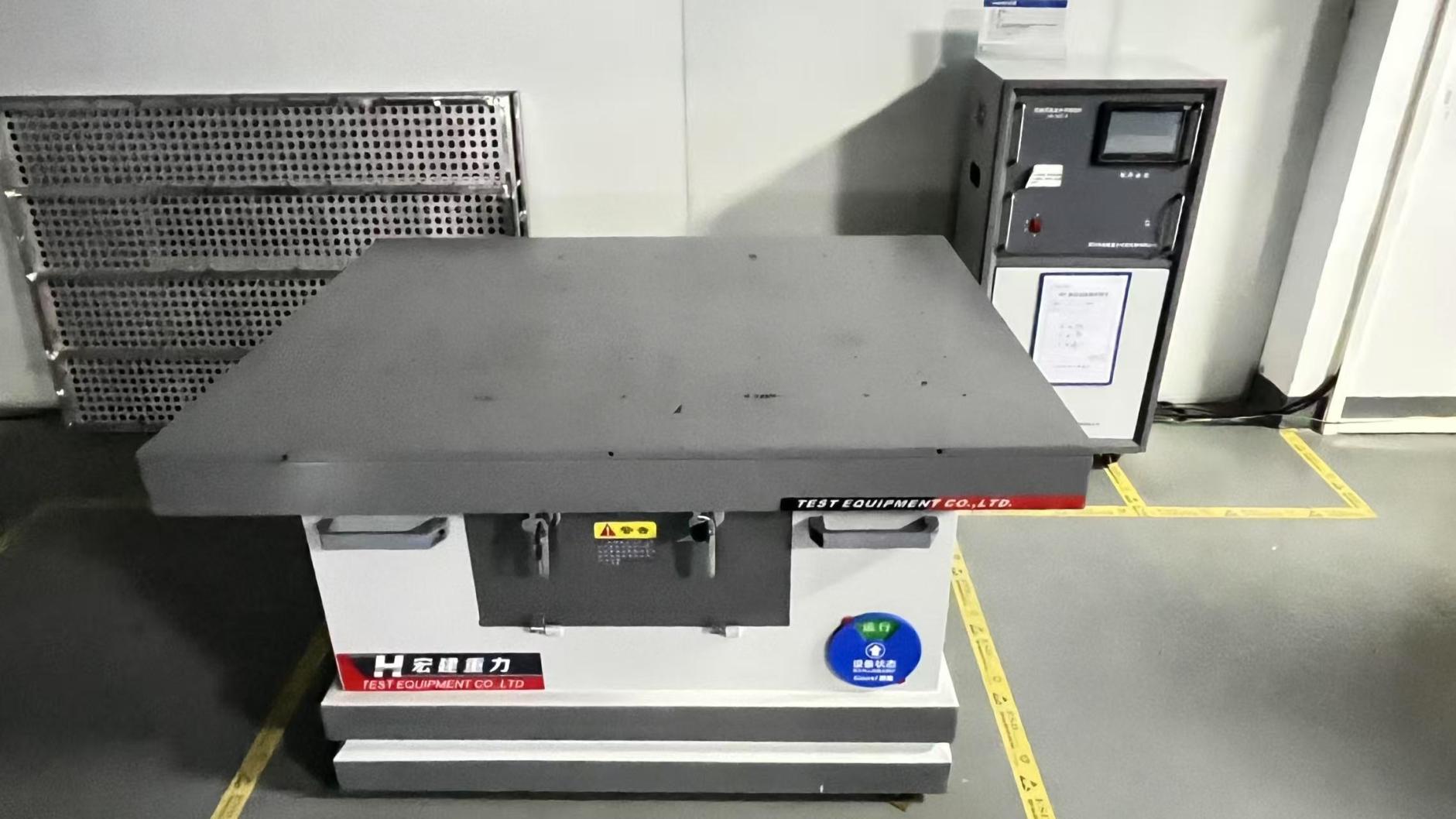
Reliable factories conduct 100% component testing using Fluke DSX cable analyzers. Tests measure parameters like Near-End Crosstalk (NEXT), Power Sum NEXT, Return Loss, Insertion Loss, and Propagation Delay. Additionally, environmental chambers are used to simulate temperature cycling and humidity to verify physical long-term reliability.