Datrix
Datrix
Datrix
Explore our premier tier of enterprise-grade compute platforms, GPU acceleration chassis, and high-reliability server components engineered for next-generation network threat inspection, AI inference, and cloud perimeter defense.
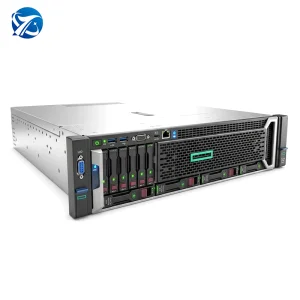
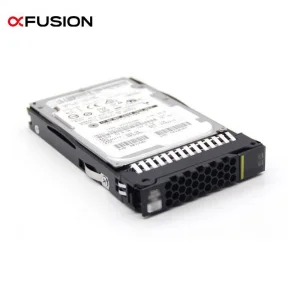
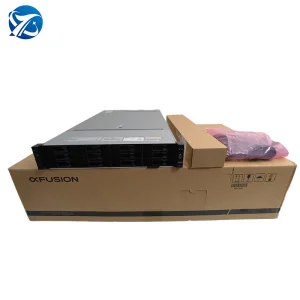
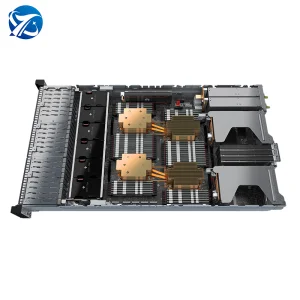
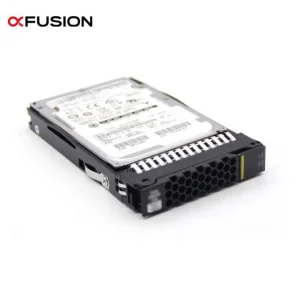
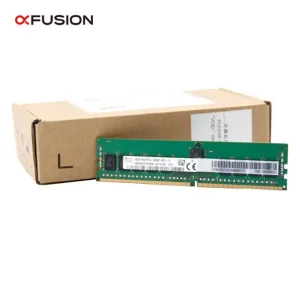
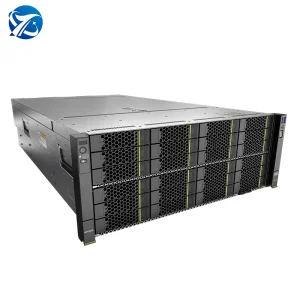
The global cybersecurity footprint has undergone a structural transition. As enterprise network traffic shifts toward encrypted, low-latency, and high-throughput multi-cloud environments, traditional security appliances are no longer capable of executing line-rate Deep Packet Inspection (DPI), real-time SSL/TLS decryption, and zero-day malware pattern recognition without causing network bottlenecks.
Procurement directors and Chief Information Security Officers (CISOs) sourcing directly from Chinese manufacturing ecosystems gain direct access to robust supply chains, rigorous multi-stage quality assurance protocols, and highly specialized OEM/ODM firmware configurations. This whitepaper details the structural dynamics, regulatory compliance mechanisms, supply chain advantages, and localized integration frameworks that define modern wholesale cybersecurity hardware manufacturing in China.
The synthesis of hardware development in regions like Shenzhen, Dongguan, and Suzhou offers international buyers an unmatched operational moat. By maintaining vertical integration across raw component procurement, high-density SMT (Surface Mount Technology) assembly, and custom chassis fabrication, Chinese network hardware factories minimize lead times while optimizing thermal efficiency and compute density.
Direct sourcing access to high-speed PCIe Gen 5/6 riser boards, enterprise NVMe storage arrays, DDR5 ECC memory matrices, and high-wattage titanium-grade power supply units (PSUs) ensures optimal hardware synergy with zero supply bottlenecking.
By bypassing multiple intermediary distribution tiers and leveraging direct factory manufacturing pipelines, enterprise clients realize 35% to 55% Total Cost of Ownership (TCO) savings compared to legacy Western branded hardware OEMs.
New Product Introduction (NPI) cycles are compressed from months to weeks. R&D engineering teams quickly iterate custom motherboard layout adjustments, thermal heatsink designs, and custom front-bezel branding options.
Modern network security equipment demands high computational resilience, zero frame loss under dense packet loads, and fault-tolerant hardware redundancy. The table below delineates the architectural divergence between standard commodity enterprise servers and purpose-built hardened Network Security Appliances produced in tier-1 Chinese facilities.
| Architectural Feature | Standard Enterprise Server Platform | Hardened AI-Accelerated Security Appliance | Enterprise Customer Operational Value |
|---|---|---|---|
| Packet Processing Engine | Standard x86 / ARM Dual-Socket CPU | Multi-Core CPU + Dedicated FPGA / Hardware Security Module (HSM) | Line-rate 100GbE / 400GbE packet filtering without CPU bottleneck |
| AI / ML Threat Inspection | Software-based signature scanning | PCIe Gen 5 GPU Tensor acceleration (DeepSeek / NVidia Tensor Core) | Sub-millisecond anomaly detection for zero-day threat prevention |
| Thermal & Power Architecture | Standard airflow, N+1 Redundant PSU | Counter-rotating hot-swappable fan modules, 80Plus Titanium 2000W PSUs | 24/7 continuous operation in mission-critical edge compute nodes |
| Out-of-Band Management | Generic IPMI 2.0 / Web GUI | Hardened RESTful Redfish API, Encrypted TPM 2.0 Root of Trust | Secured remote orchestration and global fleet management |
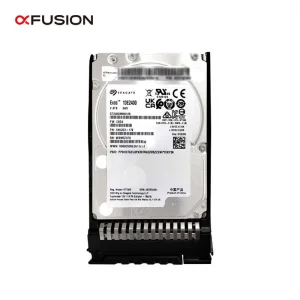
| Storage Subsystem | Standard SATA / SAS HDD arrays | NVMe U.2 / U.3 High-DWPD SSDs with hardware RAID controllers | Ultra-fast log auditing, forensic pcap extraction, and threat analytics |
Expanding deployment of network security hardware into North American, European, Southeast Asian, and Middle Eastern markets necessitates adherence to strict international regulatory compliance frameworks and comprehensive localization customization.
Full manufacturing alignment with CE, FCC Class A, RoHS, ISO9001, and ISO27001 standards. Hardware options support FIPS 140-3 cryptographic modules and TPM 2.0 root of trust validation.
Tailored OEM UEFI/BIOS configurations, customized secure boot certificates, white-label branding logos, and custom IPMI out-of-band management interface strings.
Wide-input power supplies (100V-240V AC, -48V DC telecom grade) with regional AC power cord matching (US, EU, UK, AU, IEC standards) and localized operational thermal tuning.
Seamless international logistics support (DDP, FOB, CIF) backed by structured spare parts kits (FRUs), advance hardware replacement models, and localized RMA technical support.
As enterprise IT security architectures migrate toward Zero Trust Network Access (ZTNA) and Secure Access Service Edge (SASE), the physical hardware layer must rapidly evolve. Several dominant trends are shaping manufacturing dynamics in China:
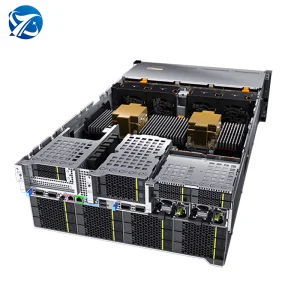
Hardware appliances are increasingly adopting multi-GPU configurations (such as DeepSeek-optimized high-density compute nodes and xFusion AI chassis) to run real-time natural language processing and behavior anomaly models directly on ingress raw network packets.
With CPU thermal design power (TDP) exceeding 350W and high-performance GPUs drawing over 400W each, high-density security platforms are transitioning from standard air cooling to direct-to-chip liquid cooling (DLC) cold plate systems.
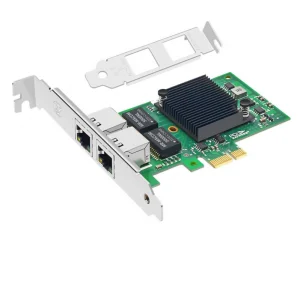
Modern security gateways offload packet routing, VXLAN encapsulation, and crypto acceleration onto programmable SmartNICs (FPGA/DPU-based), freeing 100% of host x86 CPU cycles for application-layer analysis.
Hardware requirements vary significantly across different sector verticals. Custom manufacturing allows tailormade appliance builds for specific deployment environments:
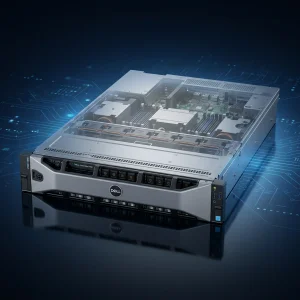
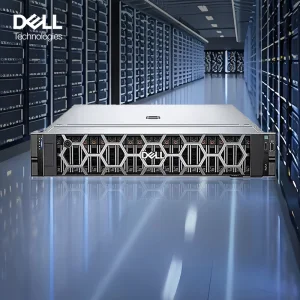
High-throughput 1U/2U rackmount appliances equipped with dual Intel Xeon processors, 100GbE QSFP28 bypass interfaces, and hardware accelerations to handle millions of simultaneous subscriber sessions with sub-millisecond latencies.
Ultra-low-latency network security appliances featuring custom FPGA PCI cards, sub-microsecond packet timestamping, and ECC memory modules (e.g., DDR5 6400MHz RDIMM matrices) for instantaneous threat suppression.
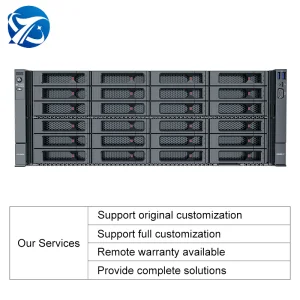
Multi-GPU compute clusters (1U/4U GPU racks, xFusion DeepSeek 2025 storage servers) designed to analyze petabytes of multi-tenant cloud traffic, performing inline zero-day vulnerability identification.
Hardened extended-temperature chassis engineered for rugged utility environments, supporting wide DC voltage input, physical anti-tamper switches, and specialized industrial protocol inspection capabilities.
Datrix AI Computing Inc. is a leading manufacturer specializing in high-performance AI GPU servers, GPU workstations, and customized computing infrastructure for AI training, deep learning, HPC, cloud computing, and enterprise data centers. With a strong focus on innovation, product reliability, and customer satisfaction, we provide scalable GPU computing solutions for system integrators, distributors, research institutions, and enterprise clients worldwide.
Our experienced engineering team continuously develops advanced server platforms compatible with the latest GPU technologies, delivering outstanding performance, energy efficiency, and long-term stability. From OEM/ODM customization to complete AI infrastructure deployment, Datrix offers flexible manufacturing capabilities and comprehensive technical support to meet diverse customer requirements.
Datrix AI Computing Inc. provides end-to-end custom tailoring options, including:

Below are expert responses to critical questions commonly posed by global system integrators, enterprise procurement officers, and network architecture teams.
Our standard OEM/ODM sample evaluation program allows ordering from 1 unit for prototype testing. For custom chassis branding, modified BIOS splash screens, and customized port configurations, full production runs typically carry an MOQ of 10 to 50 units. Standard production lead time is 2 to 3 weeks following final configuration design sign-off.
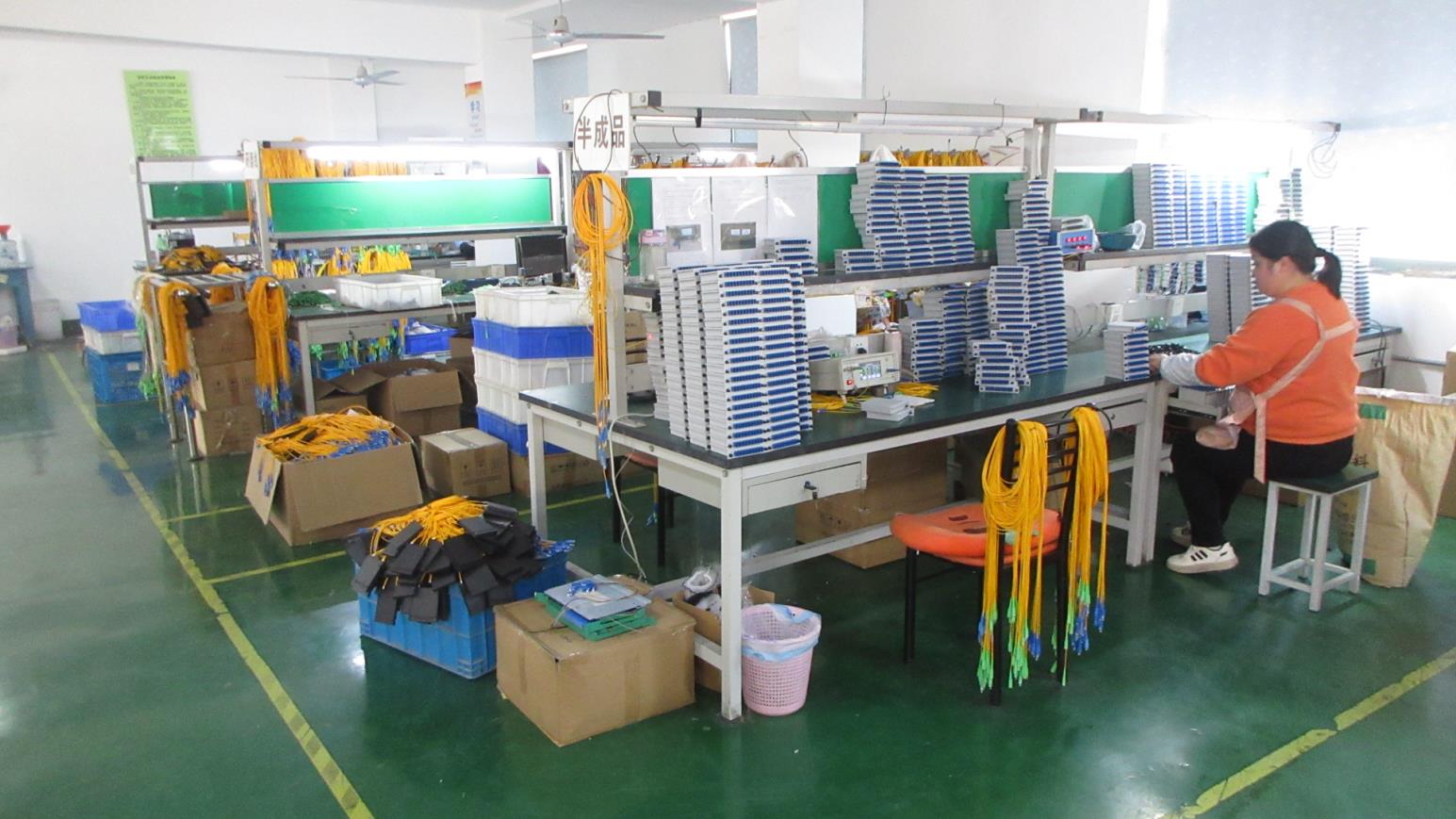
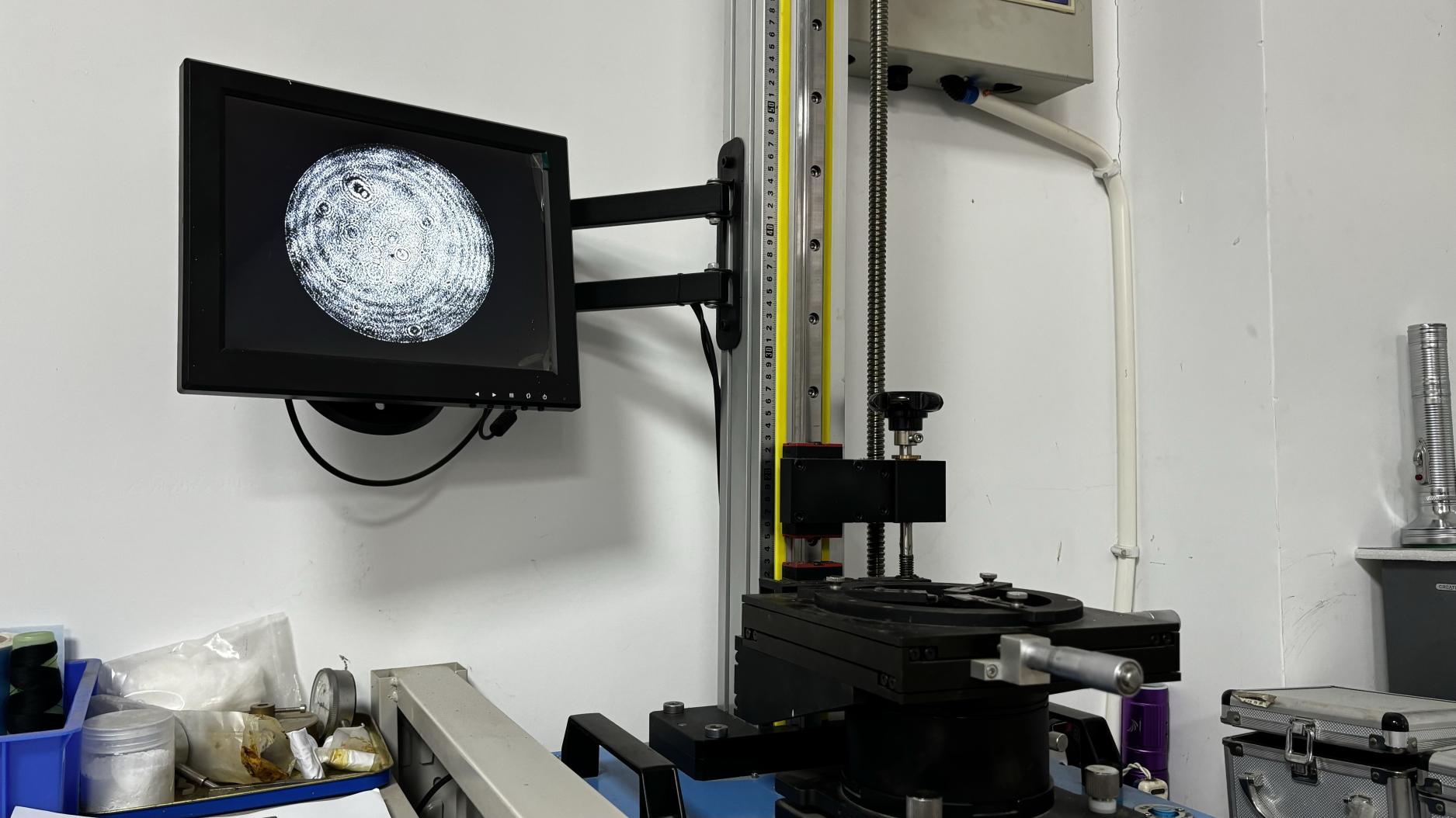
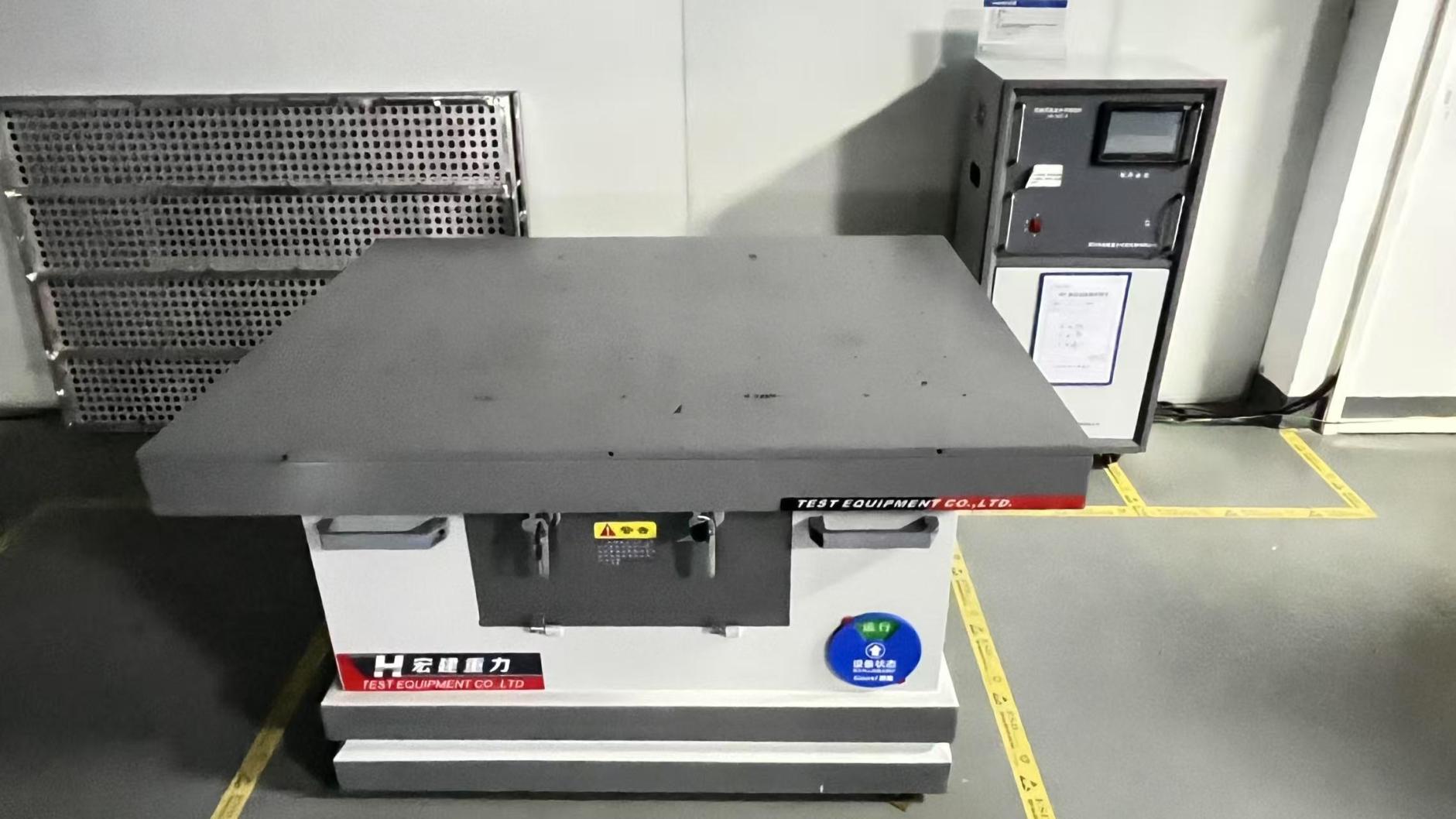
We maintain a rigorous 5-stage quality assurance protocol: Raw Material Inspection, In-Process Quality Control (IPQC), Full Functional Testing, 100% Full-Load High-Temperature Burn-in Testing (24–72 hours), and Final Quality Inspection (FQC). Managed by 52 dedicated QC engineers, this ensures an industry-leading field reliability rate exceeding 99.8%.
Yes. Our server platforms utilize open architecture x86 and ARM hardware specifications (Intel Xeon 6, xFusion, HPE ProLiant platforms) equipped with standard UEFI/Legacy boot modes. They are 100% compatible with Linux enterprise distributions (RHEL, Ubuntu, Rocky Linux), BSD derivatives, proprietary firewall firmware, and specialized hypervisors (VMware ESXi, Proxmox VE).
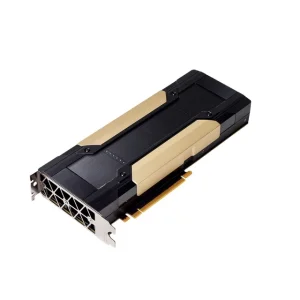
Traditional signature-based security tools cannot detect encrypted zero-day exploits effectively. By integrating dedicated AI GPUs (such as V100 PCIe, high-density AI acceleration cards, and multi-GPU configurations), security platforms can run inline Deep Learning models (e.g., DeepSeek models) directly on packet streams to detect malicious behavior in real time without introducing network latency.
We support all standard international trade terms including FOB (Shenzhen/Hong Kong), CIF, EXW, and DDP (Delivered Duty Paid). Products are packaged using shock-proof industrial wooden crates or reinforced double-walled export cartons with anti-static EPE foam protection to guarantee safe transit worldwide via sea, air, or express freight.
Browse our additional high-availability storage arrays, enterprise PCIe NVMe SSDs, boot-cards, and high-performance multi-socket compute platforms engineered for scale.