Datrix
Datrix
Datrix
Industry-tested compute hardware engineered for ultra-low latency, massive parallelism, and enterprise uptime.


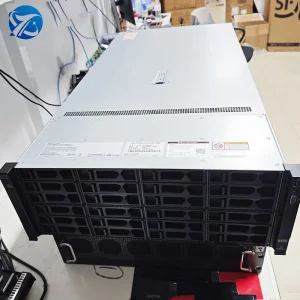
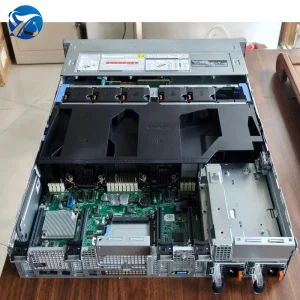
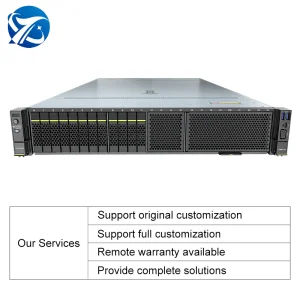
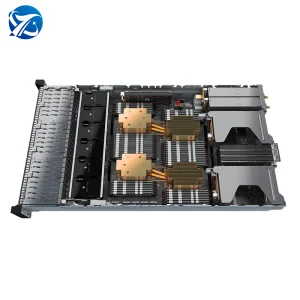
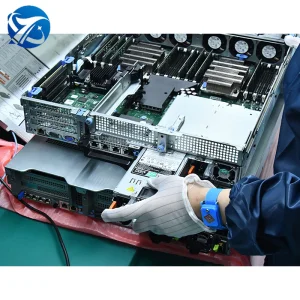
The global artificial intelligence paradigm has experienced an unprecedented shift toward trillion-parameter Foundation Models, DeepSeek architectural breakthroughs, and high-density Mixture-of-Experts (MoE) neural networks. Operating at this scale demands hyper-specialized underlying hardware topologies. As enterprise organizations transition from theoretical machine learning research to production-grade distributed training clusters, the role of China's top AI training systems manufacturers and OEM/ODM factories has become critical to the global technology supply chain.
Modern AI infrastructure is no longer defined merely by raw floating-point operations per second (FLOPS). It requires an integrated ecosystem engineered around thermal management, high-throughput memory channels, non-blocking interconnect fabric, and low-latency storage IOPS. Chinese OEM manufacturers have evolved from pure chassis assembly plants into high-tech R&D powerhouses capable of delivering end-to-end hardware platforms—including liquid-cooled 8U GPU servers, custom PCIe Gen 5 expansion nodes, and enterprise NAS data fabric systems.
Key Takeaway for Global Enterprise CTOs: Selecting an AI manufacturing partner in China requires evaluating not just component sourcing capability, but system-level thermal efficiency (PUE < 1.15), signal integrity in high-frequency PCIe 5.0/6.0 buses, and compliance with stringent international quality standards (ISO9001, CE, FCC, RoHS).
The global demand for AI server hardware is projected to maintain a compound annual growth rate (CAGR) exceeding 26.5% through 2030. Key macro factors driving this expansion include:
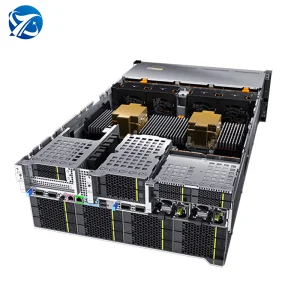
To maximize Information Gain and technical clarity, enterprise system integrators must understand the internal topology of high-density AI training servers. Below is an architectural breakdown of standard 4U to 8U AI server chassis manufactured by leading Chinese facilities:
Enabling up to 128 GB/s bi-directional bandwidth per slot, reducing latency across multi-GPU communication links and host-to-device data transfers during gradient synchronization phases.
Equipped with 3+1 or 4+4 N+N redundant 80 Plus Titanium power supply units (PSUs), guaranteeing uninterrupted operation during full-load tensor execution.
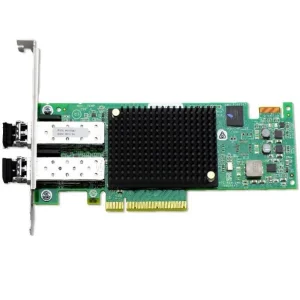
Integration of SAS 12Gb/s and SATA 6Gb/s controller cards paired with enterprise-grade HBA cards (e.g., Emulex 32Gb FC) to guarantee non-blocking I/O paths for multi-petabyte AI training datalakes.
| Form Factor | Target Compute Workload | Max GPU Expansion | Thermal Management | Storage Support |
|---|---|---|---|---|
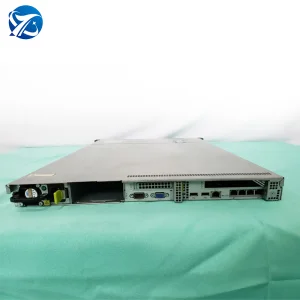
| 1U Rackmount Server | Edge AI Inference, Microservices, DNS | 1-2 Single-Width GPUs | High-speed Air Fans | 4x 3.5" or 8x 2.5" SATA/NVMe |
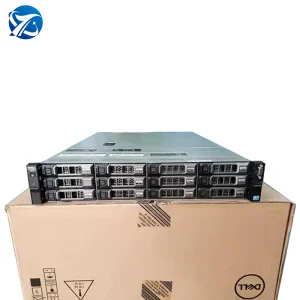
| 2U Dual-Socket Rack | Medium AI Inference, NAS, Virtualization | 2-4 Double-Width GPUs | Dual-Zone Air / Liquid Option | 12x 3.5" SAS/SATA Hot-Swap Drives |
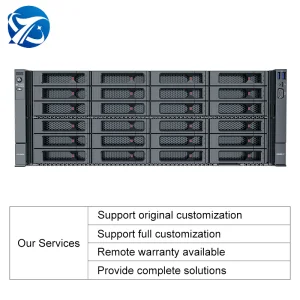
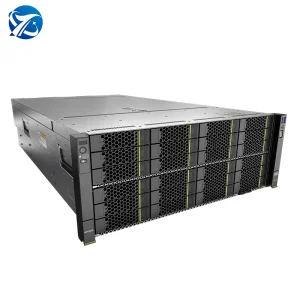
| 4U/5U Industrial Server | LLM Fine-tuning, High-performance NAS | 4-8 High-TDP Accelerator Cards | Optimized Ducting Air Cooling | 24x 3.5" High-density Storage Drives |
| 8U Enterprise GPU SuperServer | Trillion-Parameter LLM Full Training | 8-10 SXM / OAM / PCIe Accelerators | Direct Liquid Cooling (DLC) Cold Plate | U.2 / U.3 All-Flash NVMe Datapath |
Datrix AI Computing Inc. represents the benchmark of industrial server production, quality control, and engineering capabilities in China.
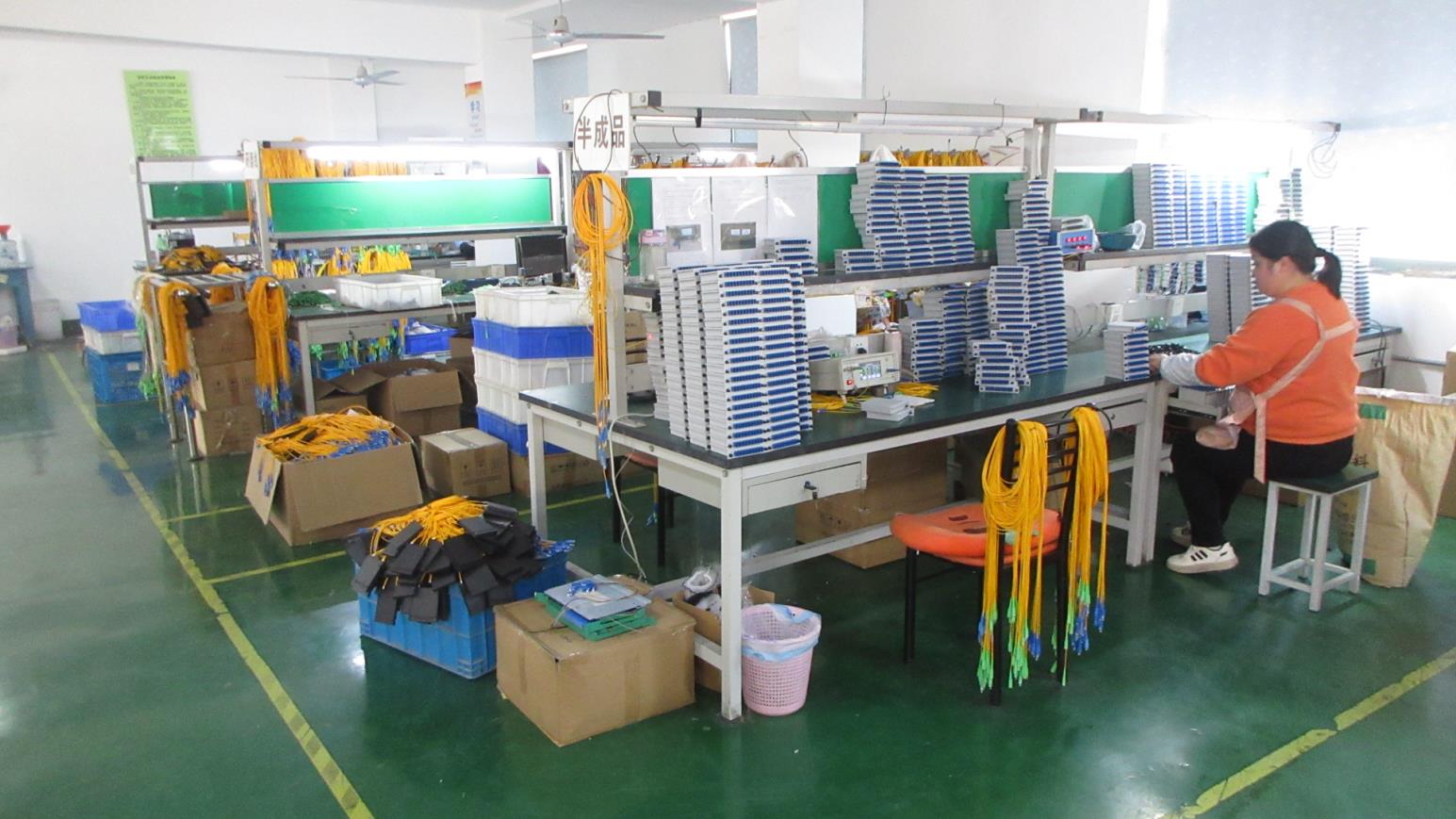
Established on August 18, 2016, Datrix AI Computing Inc. has grown into a premier manufacturer specializing in enterprise-grade AI GPU servers, workstations, and high-density computing infrastructure. Operating from an 18,600 m² modern manufacturing plant, Datrix provides custom OEM/ODM solutions to global clients including cloud service providers, research institutes, enterprise data centers, and system integrators across North America, Europe, Southeast Asia, the Middle East, and Australia.
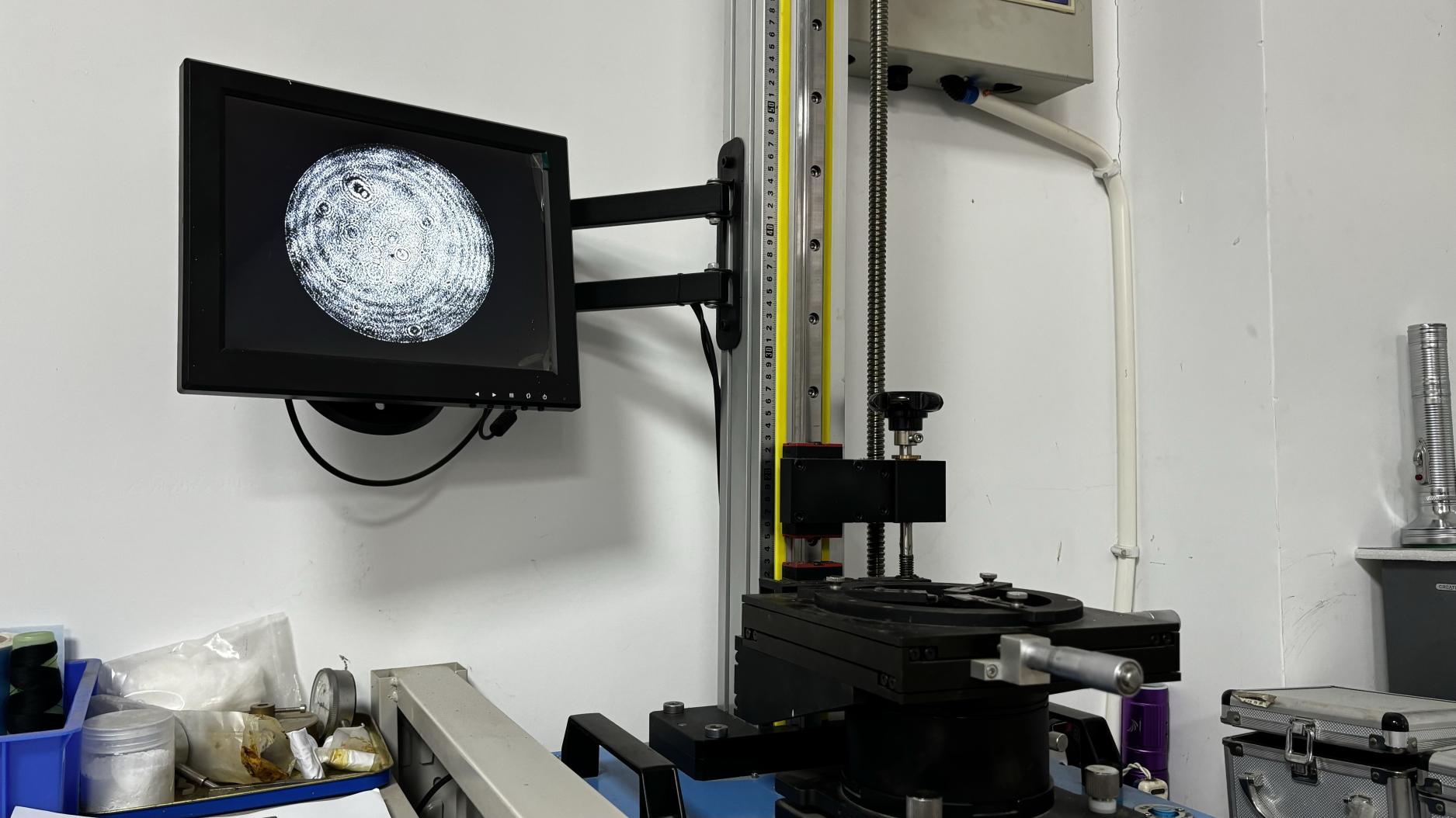
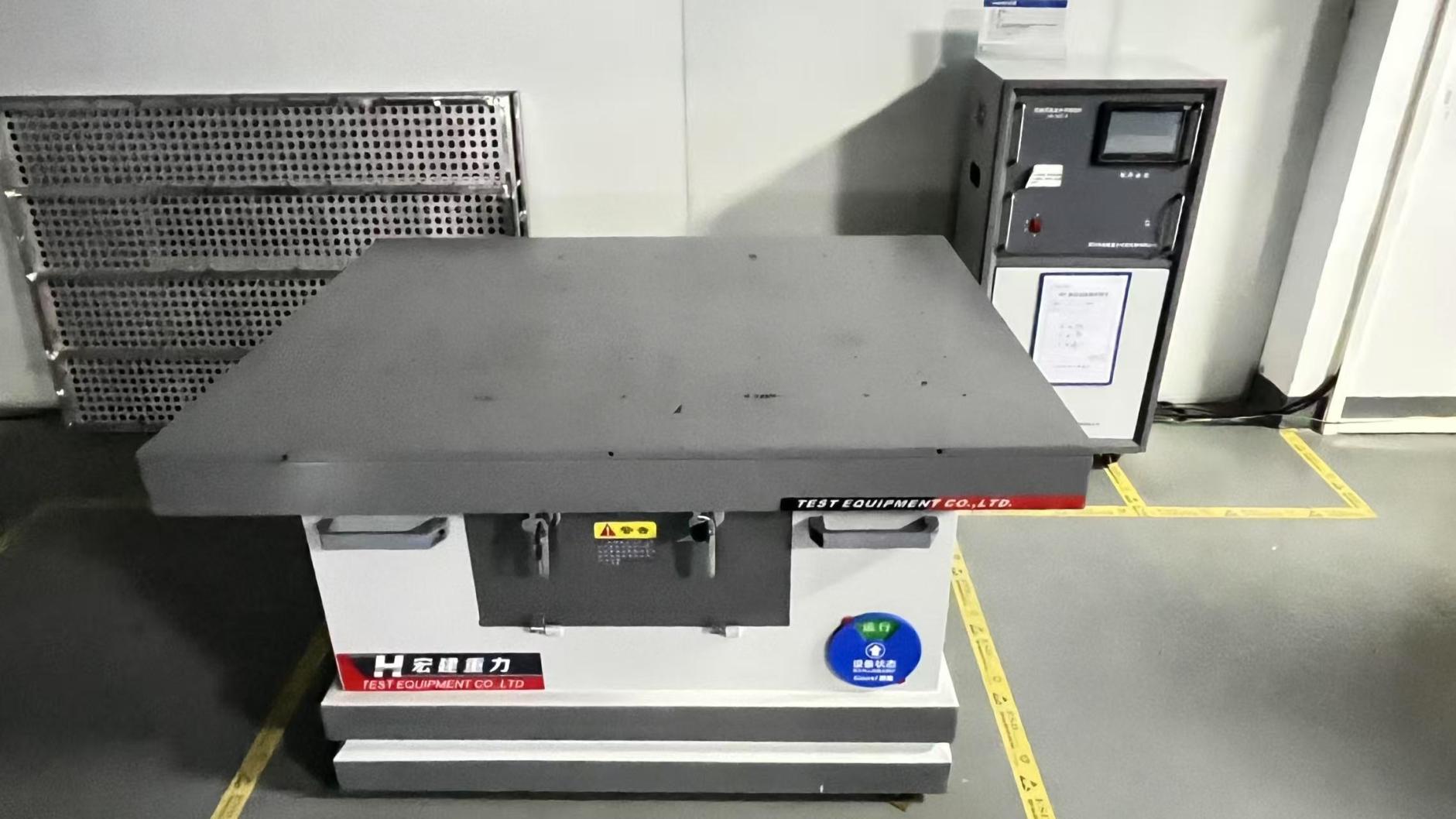
To deliver maximum operational stability under continuous full-load execution, Datrix executes a 100% Pre-Shipment Inspection Protocol consisting of five rigorous testing stages:

Deploying AI hardware requires tailored physical and logical configurations tailored to specific industry verticals. Leading Chinese factories offer complete blueprint customizations to meet these distinct demands:
Designed for multi-node scalable infrastructure utilizing 8U GPU servers connected via RoCE v2 (RDMA over Converged Ethernet) or InfiniBand networks for optimal gradient sync.
Combines raw computing power with extensive storage bandwidth (SATA/SAS HDDs + NVMe Caches) to process multi-petabyte sensor and camera data streams simultaneously.
Utilizes ultra-reliable dual-socket Intel Xeon and AMD EPYC architectures to execute molecular dynamics simulations and genomic alignment pipelines.
For international buyers, system integrators, and procurement officers, sourcing AI server hardware directly from tier-1 Chinese manufacturers requires understanding key operational customization vectors:
Supply Chain Security Notice: Leading manufacturers maintain over 1,180 direct supply chain partnerships, ensuring priority access to critical semiconductor components, high-speed networking HBA cards, and enterprise storage drives despite global market fluctuations.
As compute workloads scale exponential limits, Chinese server factories are pioneering cutting-edge hardware innovations across several key technological frontiers:
Disaggregating memory pools to allow CPUs and GPUs to share heterogeneous RAM pools seamlessly, eliminating memory bottlenecks in massive LLM inference.
Replacing traditional copper trace motherboard routes with optical interconnects to achieve multi-terabit interconnect bandwidth at fraction of power consumption.
Complete rack immersion solutions using dielectric fluids, dropping datacenter Power Usage Effectiveness (PUE) metrics below 1.08.
Direct responses to common technical queries from enterprise buyers and IT architects.
8U GPU servers typically require high-CFM dual-zone air cooling with dedicated hot/cold aisle isolation. For nodes equipped with multiple 700W+ GPUs, liquid-to-air or direct-to-chip (D2C) liquid cooling solutions are strongly recommended to maintain optimal thermal operating limits.
While GPUs compute data residing in high-speed HBM or NVMe caches, massive cold/warm training datasets (petabytes of text, video, or image data) are cost-effectively stored on enterprise SAS (12Gb/s) or SATA (6Gb/s) hard drive arrays before being staged into NVMe pools.
Standard chassis configurations with standard component setups typically ship within 1 to 2 weeks. Custom OEM designs involving specialized backplanes, custom BIOS locks, and specialized logo branding generally require 3 to 5 weeks from technical drawing approval.
Manufacturers like Datrix implement continuous 72-hour full-load thermal burn-in tests, combined with In-Process Quality Control (IPQC) and 100% Pre-Shipment Inspection (FQC) to catch signal degradation or component instability prior to deployment.
Explore scalable rackmount servers, high-efficiency processors, network expansion adapters, and high-capacity storage components.