Datrix
Datrix
Datrix
Powering modern, low-latency audio-visual systems, AI inference architectures, and professional rendering pipelines.
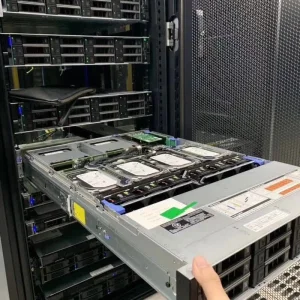
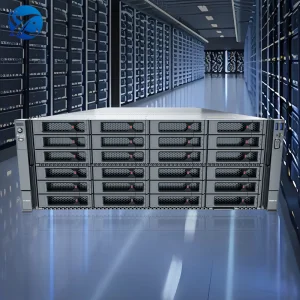
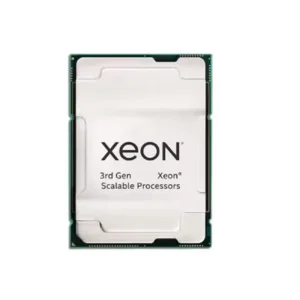
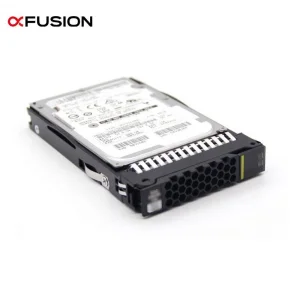
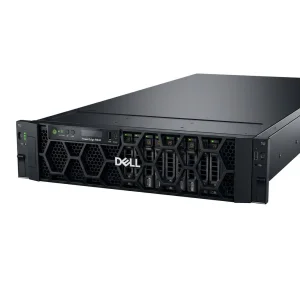
As standard-definition systems yield to IP-driven architectures, software-defined media workflows, and AI-assisted production, the definition of "Audio-Visual Equipment" has expanded. Today's commercial AV structures, live broadcasting setups, and immersive XR studios depend directly on heavy-duty, enterprise GPU servers and edge nodes. Datrix AI Computing Inc. stands at the intersection of high-performance hardware manufacturing and system engineering, supplying the foundational hardware configurations that global clients demand to support complex, high-bandwidth AV pipelines.
With 12 years of core industry experience and 7 years of active global exportation, Datrix custom-designs server infrastructures optimized for the heavy duty cycles of live event broadcasting, video rendering farms, and AI data parsing.
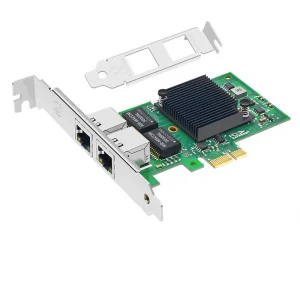
From custom-molded chassis and deep BIOS tuning to tailored server hardware selection (GPUs, storage cards, network interface controllers), our team delivers bespoke platforms built around specific system integrator requirements.
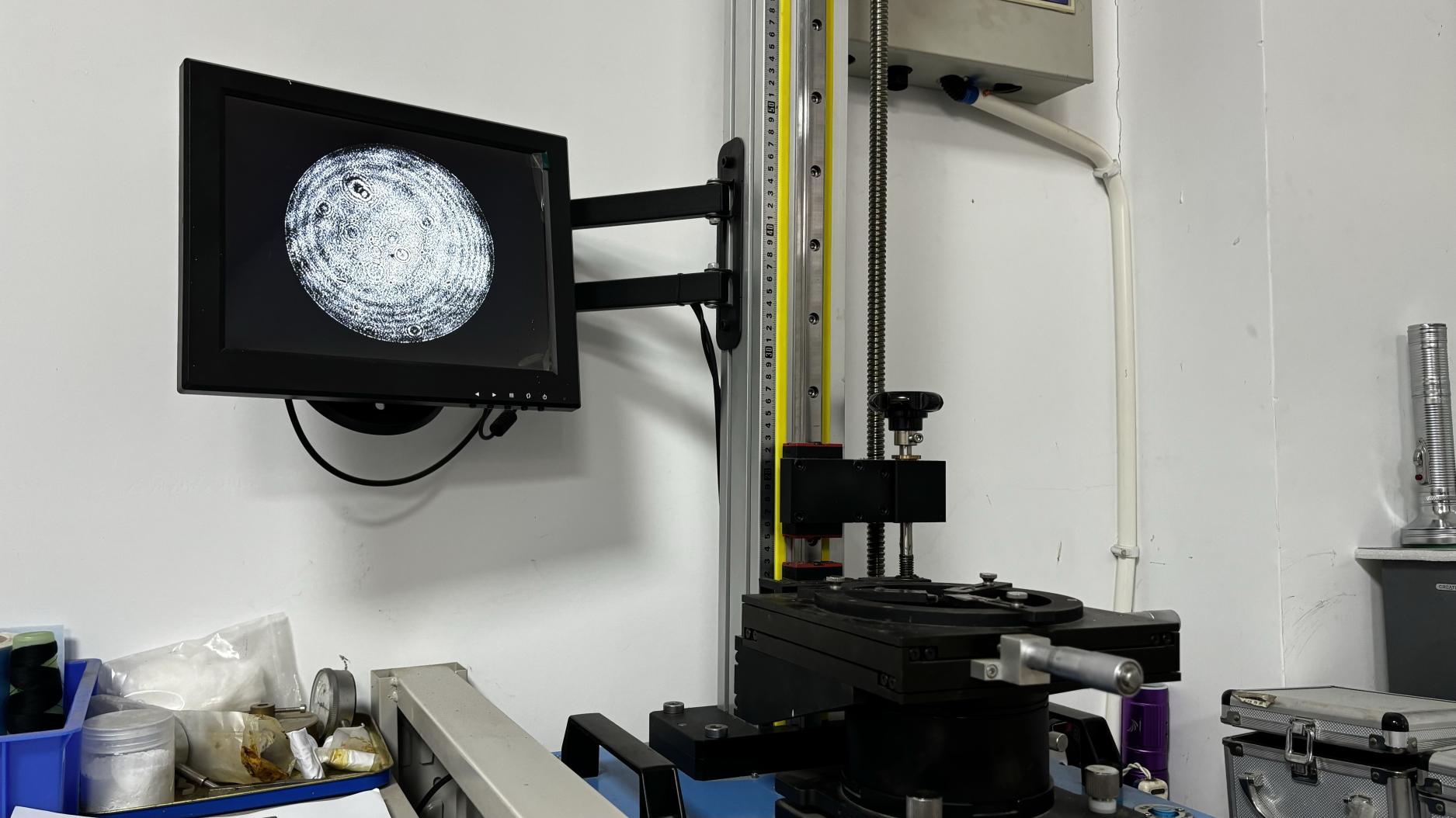
52 designated quality control inspectors supervise a multi-tier testing program. Every GPU node, workstation, and custom processor package undergoes 100% pre-shipment burn-in testing to guarantee reliable operations.
Exploring how high-performance servers power Virtual Production, Real-Time XR, and AI-enabled media pipelines.
Traditional green screens are rapidly being replaced by LED Volumes and Extended Reality (XR) stages powered by real-time rendering engines like Unreal Engine. These stages demand massive computational horsepower to compute camera tracking data, adjust perspective (parallax), and render ultra-high-resolution textures in real time.
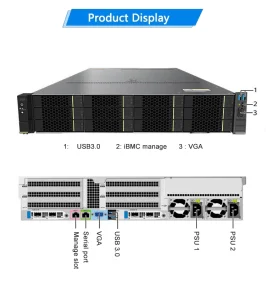
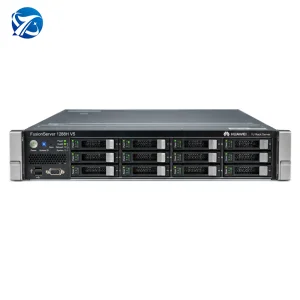
By leveraging high-density GPU platforms like the FusionServer G5500 V6, production houses can coordinate multiple high-end GPUs to achieve smooth, artifact-free 60fps or 120fps outputs. This server architecture guarantees that frame rates remain locked to avoid camera-flicker and sync issues on live sets, eliminating the need for lengthy post-production processes.
AI models are now directly embedded into high-resolution broadcasting pipelines for upscaling legacy 1080p footage to 4K or 8K, performing real-time video denoising, and executing AI-powered audio isolation. These resource-heavy algorithms necessitate parallel compute acceleration.
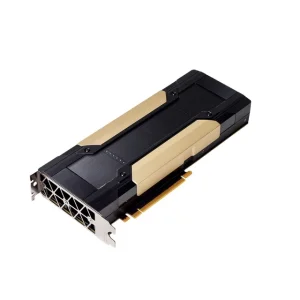
The implementation of hardware accelerators like the V100 PCIe 32GB GPU paired with multicore Intel Xeon CPUs enables broadcasters to transcode multiple high-bitrate live feeds simultaneously. This processing capacity guarantees low latency for content delivery networks (CDNs) while improving visual quality dynamically using deep learning models.
Datrix AI Computing continuously monitors these transitions, providing optimized hardware blueprints containing specialized network adapters and high-bandwidth NVMe arrays to withstand these strict data paths.
How our computing platforms scale from boutique production stages to global command centers.
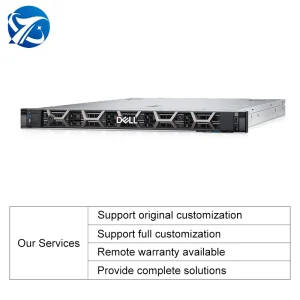
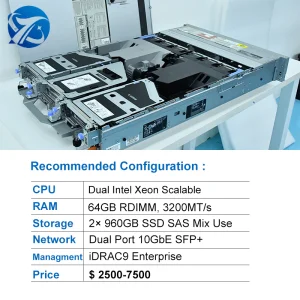
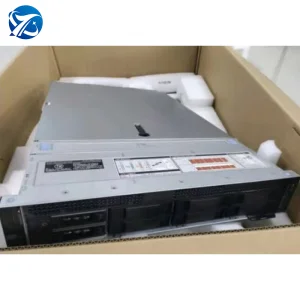
Broadcasting companies require robust, continuous encoding systems to manage multi-angle 4K HDR camera feeds. Using Datrix's custom Dell PowerEdge R750 configurations, broadcasters get dual-socket processor power to execute heavy compression algorithms (AV1, H.265) without packet drops.
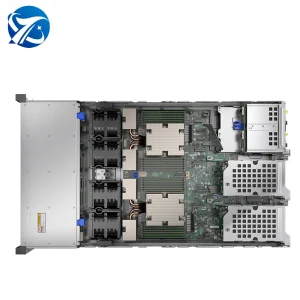
Massive LED displays and projection mapping installations in modern stadiums require synchronized video outputs. Datrix media workstations and xFusion 2288H V6 servers support multiple GPU additions, ensuring frame lock and genlock across acres of visual displays.
Centralized monitoring command centers must ingest hundreds of high-resolution IP camera streams simultaneously. Datrix high-density computing clusters serve as the backend routing and computational brain, running live facial recognition, object detection, and visual archiving.
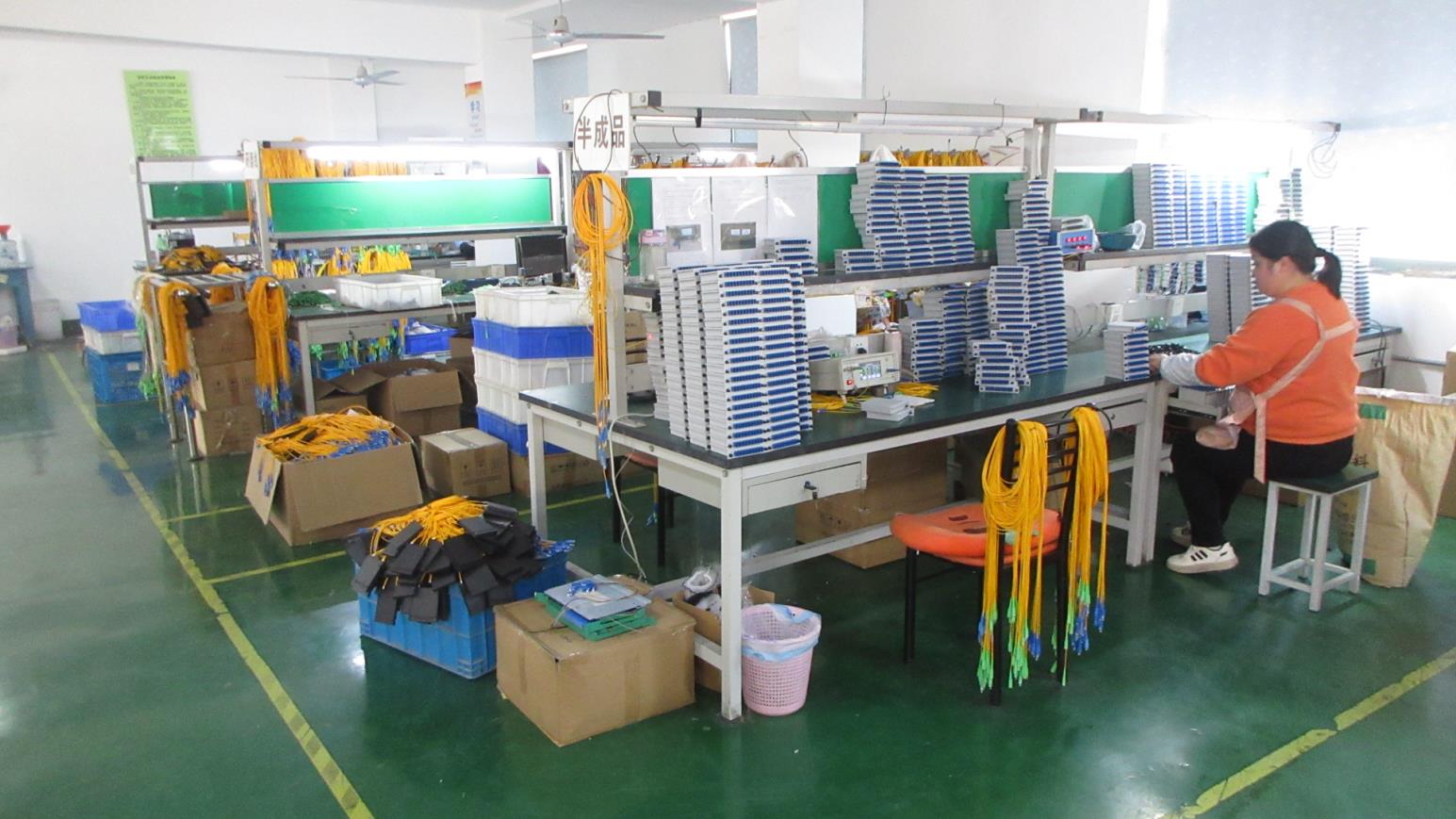
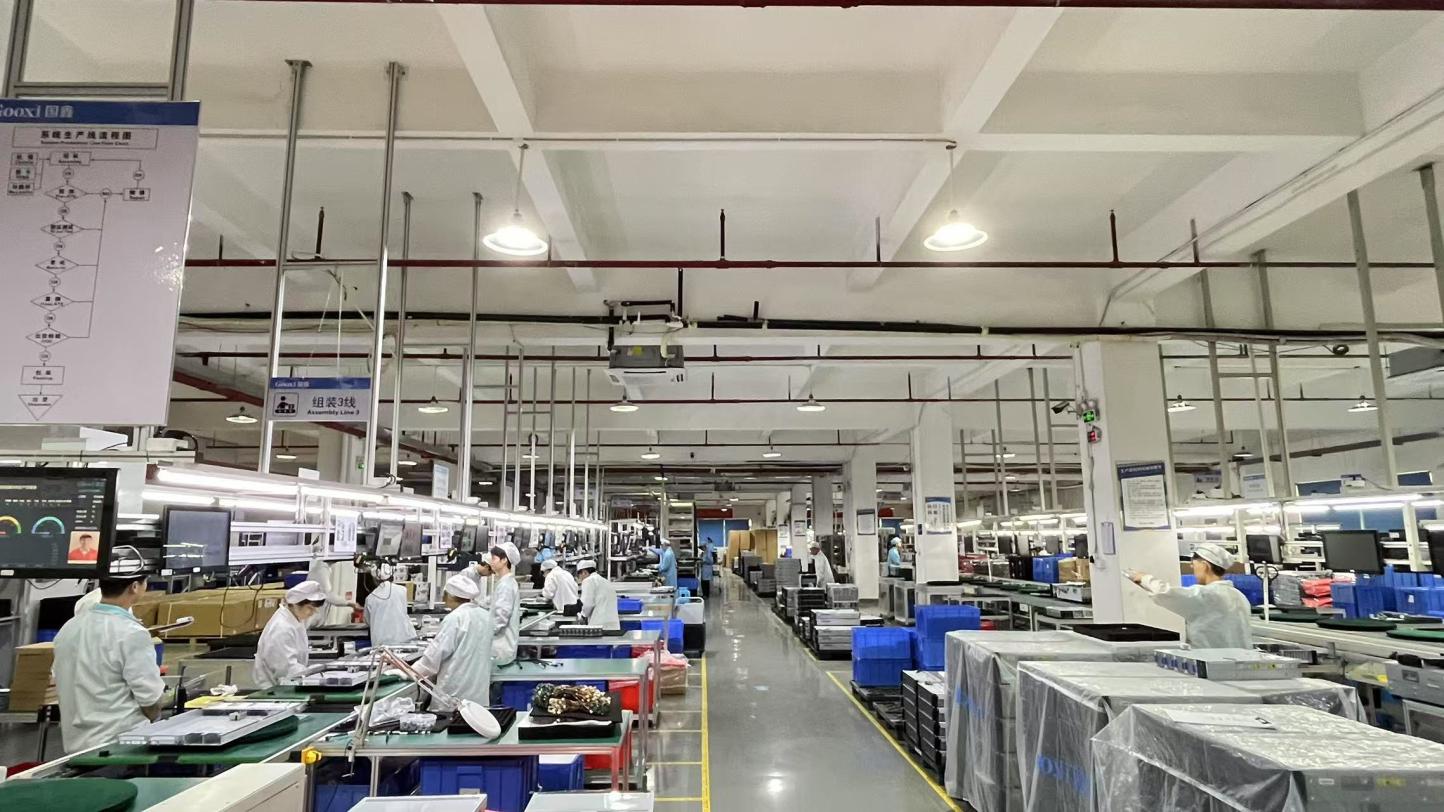
Global technology sourcing is highly dependent on manufacturing flexibility, supply reliability, and component availability. Datrix AI Computing Inc. utilizes its 18,600 m² factory space in China, operating under strict Industry 4.0 automation guidelines to supply clients efficiently.
Our network of over 1,180 vetted component partners ensures access to raw materials, chassis structures, solid-state memory, and high-performance processing chips even during tight market conditions. This database translates into rapid turnaround times for customized systems.
No two AV configurations are identical. We provide deep OEM/ODM customization services, including custom branding, tailored physical chassis panels, customized BIOS/firmware configurations to stabilize PCIe lanes, pre-installation of customized software, and bespoke packaging for bulk deployment.
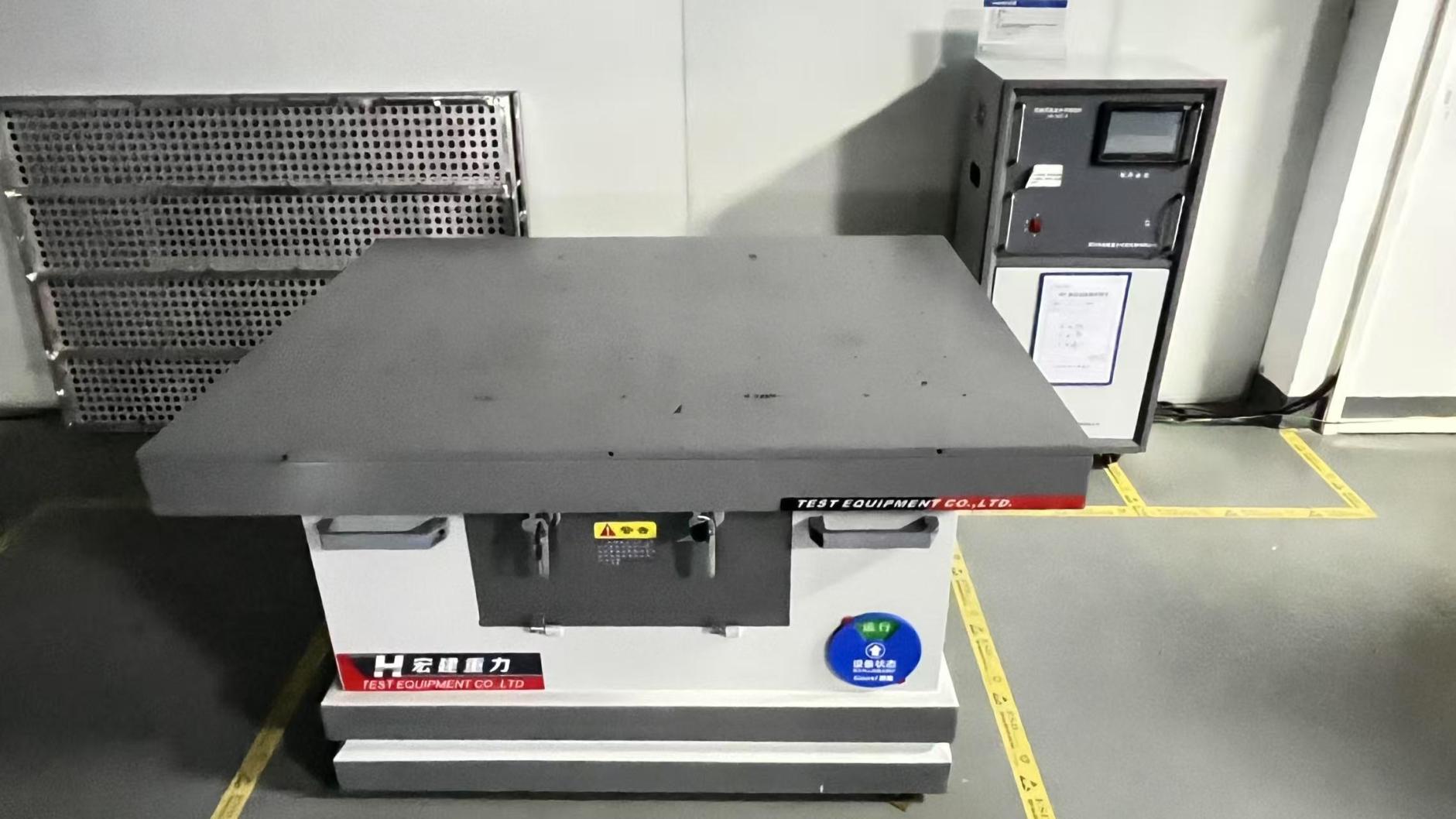
Every server, CPU module, and SSD undergoes a strict five-tier inspection workflow: Raw Material Inspection, In-Process Quality Control (IPQC), Functional Testing, Thermal/Burn-in Testing, and Final Quality Control (FQC). Supported by 52 QA specialists, Datrix guarantees that hardware arrives fully operational and ready for deployment.
How Datrix addresses the challenges of international sourcing, technical compatibility, and import compliance.
Our export-ready server products are certified to align with global regulatory requirements (CE, FCC, RoHS, and UL guidelines). This guarantees trouble-free customs clearance and straightforward compliance during large enterprise audits.
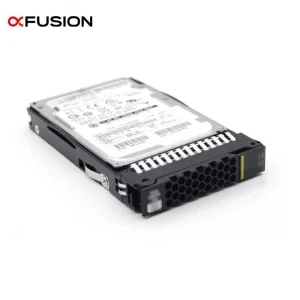
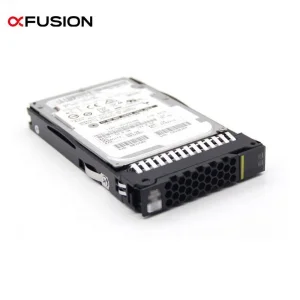
Servers, GPUs, and HDDs are highly sensitive to physical vibration, electrostatic discharge, and temperature changes. Datrix uses custom-molded shockproof EPE foam, heavy-duty anti-static barrier shielding, and thick double-wall cardboard boxes to ensure hardware arrives intact.
Datrix provides direct level-3 engineering support for deployment troubleshooting. Whether dealing with complex PXE boot issues, RAID arrays, driver conflicts, or firmware configurations, our R&D engineering team offers remote configuration help to keep workflows running smoothly.
Get immediate answers on design capabilities, manufacturing schedules, and system configurations.
Enhance performance and reliability with enterprise-class server accessories and processors.
Inside our advanced manufacturing center, production lines, and quality validation facilities.