Datrix
In recent years, the demand for GPU servers has surged dramatically. Businesses seek powerful computing solutions to handle tasks in AI, machine learning, and data analysis. This trend has led to an increase in GPU server suppliers in China, catering to global buyers. As technology rapidly evolves, knowing which suppliers provide reliable and high-performance GPUs becomes essential.
Chinese GPU server suppliers offer a broad range of products. Many feature cutting-edge technology, robust support, and competitive pricing. However, identifying the right supplier can be challenging. Potential buyers must consider their specific needs, such as processing power and compatibility with existing systems. Price shouldn’t be the only factor; supplier reputation and customer service also matter.
While several Chinese GPU server suppliers stand out, others may not meet expectations. It’s vital to conduct thorough research and compare various options. Buyer experiences can vary, and potential pitfalls exist when rushing the decision. Experts recommend seeking reviews and insights from current users. Understanding the landscape of GPU servers in China will help global buyers make informed choices.
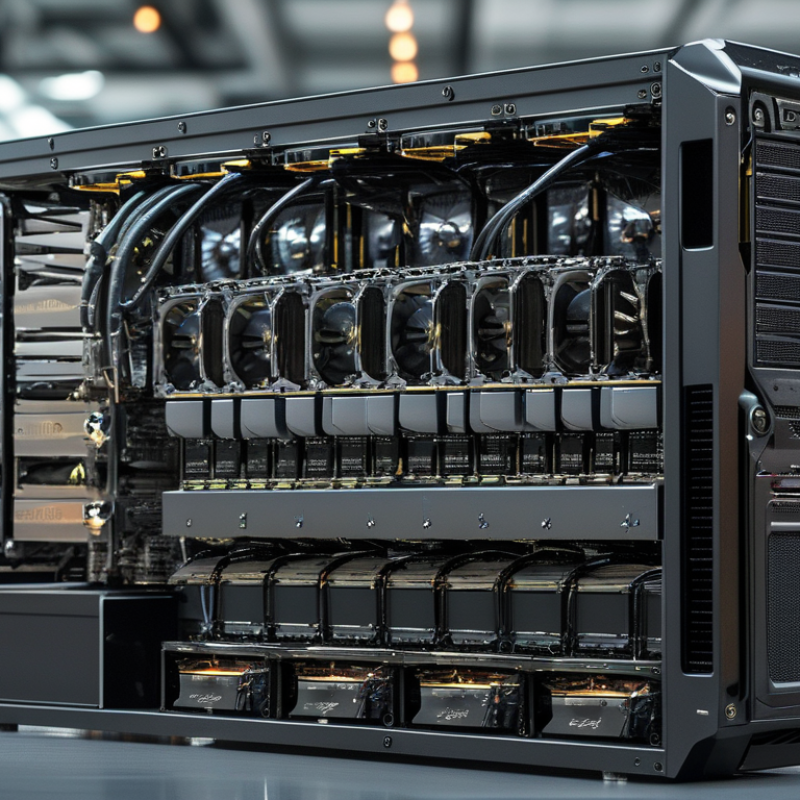
The GPU server market in China is witnessing rapid growth. This surge is largely driven by advancements in artificial intelligence and big data applications. As industries increasingly rely on robust computational power, the demand for high-performance GPU servers has soared. Businesses are looking for efficient solutions to process large datasets and enhance productivity.
China’s role in the global GPU server supply chain cannot be overlooked. Local manufacturers are stepping up to meet this demand. They offer competitive pricing and innovative technologies tailored for various applications. However, the market also faces challenges, such as fluctuating component prices and supply chain disruptions. Buyers must navigate these complexities carefully.
The evolving regulatory environment poses another layer of uncertainty. Companies must stay informed about compliance requirements. Quality assurance is crucial in this sector. Some suppliers may promise high performance, but not all deliver reliably. It is essential for buyers to undertake thorough research before making decisions. Balancing performance, cost, and reliability remains a work in progress for many enterprises in this dynamic market landscape.
| Supplier Type | Market Share (%) | Key GPU Models | Average Price (USD) | Target Market |
|---|---|---|---|---|
| OEM Manufacturer | 45% | NVIDIA A100, AMD MI100 | 8,000 - 12,000 | AI Research, Data Centers |
| System Integrator | 30% | NVIDIA RTX 3090, Tesla T4 | 4,000 - 6,500 | Gaming, Virtualization |
| Reseller | 15% | NVIDIA Quadro, AMD Radeon | 1,500 - 3,500 | Workstations, Small Businesses |
| Cloud Provider | 10% | NVIDIA V100, T4 | 10,000 - 15,000 | Cloud Computing, AI Applications |
The GPU server market in China has been rapidly evolving, attracting attention from global buyers. Several key players dominate this landscape, showcasing diverse strengths. Companies focus on robust builds and innovative designs to meet varied industry demands. Many suppliers emphasize scalable solutions, allowing businesses to adapt as workloads grow.
Innovation in thermal management and efficiency is paramount among these firms. Optimizing power consumption is essential for high-performance computing. Buyers increasingly seek solutions that strike a balance between cost and functionality. Yet, identifying the right supplier can be challenging. The influx of new players complicates the market.
Furthermore, buyers must consider service quality. Post-purchase support often varies significantly among suppliers. Some companies may excel in technical assistance but lack timely delivery. Global buyers need to weigh these factors, ensuring they choose a reliable partner. Carefully assessing each supplier’s strengths and weaknesses is crucial for making informed decisions.
The demand for GPU servers has soared in recent years. Various factors influence this surge. One major factor is the growing need for artificial intelligence applications. Many companies are investing in GPU technology to enhance their computational capacity. This trend is evident across sectors like finance, healthcare, and entertainment.
Supply chain disruptions can also impact GPU server availability. The production of GPUs is often subject to delays due to material shortages and geopolitical issues. As a result, even when demand is high, supply may not meet it fully. Additionally, competition among tech companies can drive up prices. Buyers may find it challenging to secure necessary hardware at a reasonable cost.
Market trends must be carefully monitored. The popularity of cryptocurrency mining has pushed demand to new heights. However, this can create imbalances in supply, making it harder for businesses focusing on AI and data analysis to acquire the hardware they need. Stakeholders must remain adaptable, as these market dynamics can shift rapidly.
This chart illustrates the supply and demand of GPU servers in China from 2019 to 2023. The data shows a consistent increase in both supply and demand, indicating a growing market for GPU servers.
The landscape of GPU technology is rapidly evolving. According to a recent report by a leading market research firm, the global GPU market is expected to reach $200 billion by 2027, driven by increasing demand for AI applications and data analytics. With the rise of machine learning and deep learning, GPUs are becoming essential for processing large datasets efficiently. This trend highlights the shift towards more complex computational workloads.
Emerging applications in sectors like healthcare and finance showcase the diverse uses of GPUs. For instance, in medical imaging, GPUs accelerate the training of neural networks, enhancing diagnostic accuracy. In finance, they power high-frequency trading platforms, allowing for real-time data analysis. However, the growing reliance on GPU technology raises concerns about energy consumption and environmental impact. Reports indicate that data centers consume about 2% of global energy, prompting a need for more sustainable solutions.
While the advancements are significant, challenges remain. The supply chain for GPU components has faced disruptions, affecting availability and pricing. Additionally, developers frequently encounter issues with software optimization. As organizations adapt, ongoing education in GPU technologies will be crucial to harness their full potential effectively.
When selecting GPU server suppliers in China, global buyers should focus on several critical considerations. The growing demand for high-performance computing has increased the number of suppliers. According to a report from Statista, the global GPU market is expected to grow by over 30% annually through 2027. This rapid expansion emphasizes the need for buyers to choose reliable partners.
Buyers should evaluate the suppliers' experience in the GPU sector. Look for companies that have been operating for several years, which increases the likelihood of consistent quality and robust support. Additionally, consider the suppliers' R&D capabilities. Innovation is crucial in this rapidly evolving industry. Assessing a supplier’s portfolio can provide insights into their technological advancements and competitiveness.
**Tip:** Engage with suppliers to understand their production processes and ensure compliance with international standards. Effective communication can mitigate risks related to quality and delivery.
Another critical factor is customer support. Responsive service is essential for resolving issues quickly. Research reviews and seek feedback from other customers. Reliability in after-sales service is often overlooked but crucial. Many companies face delays due to inadequate support from their suppliers.
**Tip:** Before finalizing any agreements, request customer references. Check how previous clients felt about the supplier's services. This due diligence can reveal valuable insights into potential challenges.
: The rise of AI applications and data analytics is a key driver for GPU technology demand.
In medical imaging, GPUs accelerate neural network training, improving diagnostic accuracy.
Disruptions have affected availability and pricing of GPU components, making it difficult for buyers.
Data centers use about 2% of global energy, raising questions about environmental impact.
Evaluate suppliers' experience, R&D capabilities, and responsiveness to customer support needs.
Engage with suppliers to understand their processes and check for compliance with standards.
Customer reviews provide insights into suppliers' reliability and after-sales service quality.
Continuous learning helps organizations utilize GPU capabilities fully and tackle software optimization issues.
Many companies face delays due to inadequate support from suppliers, impacting project timelines.
Request customer references to understand suppliers' performance and potential challenges better.
The GPU server market in China has seen significant growth, driven by increasing demand for high-performance computing and advancements in GPU technology. Key players in the industry are responding to this trend by innovating their offerings to cater to various applications, from artificial intelligence to big data analysis. Factors such as technological advancements, pricing strategies, and regional market dynamics influence the supply and demand for GPU servers in China, making it an attractive hub for global buyers.
As an essential consideration, global buyers looking for reliable GPU server suppliers should evaluate the product portfolio, technical support, and compliance with international standards offered by potential suppliers. Additionally, trends such as the rise of AI and machine learning are shaping future GPU applications, which could further impact supplier selection. By understanding these dynamics, buyers can make informed decisions when choosing their GPU server suppliers in China.
