Datrix
The landscape of AI server suppliers is rapidly evolving as we approach 2026. Industry analysis predicts a 25% increase in demand for AI-driven technologies, highlighting the importance of choosing the right AI server suppliers. According to a recent report by Gartner, the global market for AI infrastructure is expected to reach over $40 billion by 2026. This shift emphasizes the growing reliance on efficient, powerful AI servers.
Experts are closely monitoring the innovations and challenges in this field. Dr. Emily Tran, a leading analyst at TechInsights, notes, “The right AI server supplier can significantly impact performance outcomes.” As companies strive to integrate AI into their operations, identifying reliable suppliers will be critical for success.
Moreover, selecting an AI server supplier isn't without its challenges. Businesses must navigate factors like scalability, energy efficiency, and total cost of ownership. The need for tailored solutions often complicates decision-making. A thoughtful approach and expert guidance can help organizations choose wisely. As AI continues to shape our future, the role of the right AI server supplier cannot be underestimated.
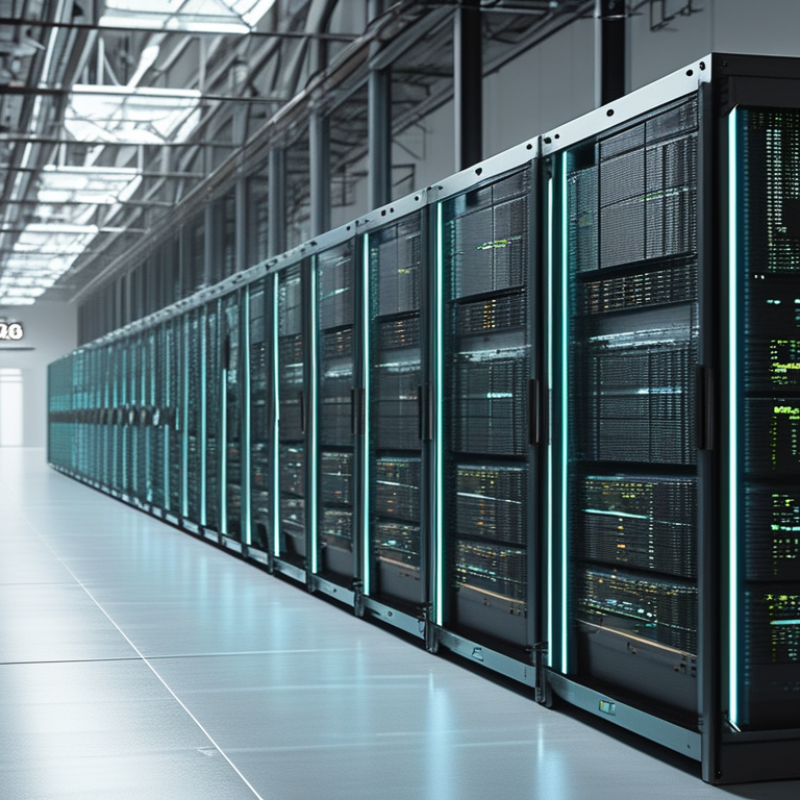
In 2026, the AI server market will continue to expand. Key players will pivot on providing tailored solutions. They will offer a blend of processing power and energy efficiency. As technology progresses, these companies will adapt swiftly to emerging needs. They will focus on integration with AI frameworks and cloud services.
Expertise in hardware design will play a crucial role. The demand for specialized processors will rise. Efficiency in data processing will dictate market leadership. However, not all players will navigate the complexities equally. Some may struggle with scaling solutions or maintaining cost-effectiveness, creating gaps in service quality.
Another point of reflection is the environmental impact of these servers. Companies may face challenges regarding sustainability. Balancing performance with eco-friendly practices remains vital. Through innovation, these key players must address both user needs and corporate responsibility. This balance will shape their reputation and market standing.
In 2026, AI server performance will hinge on several innovative technologies. Powerful processors, like neuromorphic chips, are emerging as game-changers. They mimic the human brain's architecture, boosting efficiency for AI tasks. These designs promise higher data processing speeds while reducing energy consumption.
Memory technologies, such as 3D NAND, increase storage capacity without enlarging physical space. This development responds to the growing need for quick data access and large datasets. Machine learning algorithms will benefit significantly from rapid memory operations.
Tip: Regularly update your server's firmware for optimal performance.
Another key area is cooling techniques. Advanced cooling methods, like immersion cooling, are becoming crucial. They allow servers to operate in high-performance environments without overheating. This technology addresses a significant barrier in server design efficiency.
Please remember that not all innovations will suit every application. Experimentation and testing are essential to find the right balance.
Tip: Consider energy efficiency when selecting your server components.
As we look toward 2026, the AI server landscape is evolving rapidly. A recent industry report projected a growth of up to 25% in AI server demand over the next three years. This surge is driven by the increasing need for advanced data processing capabilities. Many organizations are adapting to handle massive datasets efficiently.
When examining the top AI server suppliers, performance benchmarks are crucial. The latest findings indicate that processors with higher core counts yield better AI training outcomes. Additionally, energy efficiency is now a priority. Recent evaluations revealed that energy-efficient servers can reduce operational costs by 20% in large data centers. However, many suppliers still struggle to balance performance with sustainability.
The competitive landscape also highlights varying software and support services. While some suppliers excel in integration services, others fall short. This inconsistency can create challenges for companies aiming to build robust AI infrastructures. Continuous development in hardware and software compatibility is essential as demand grows. The path to optimal AI integration is not straightforward; it requires careful consideration of the unique needs of each organization.
The landscape of AI servers is evolving rapidly. Emerging trends are reshaping this market. A report from ResearchAndMarkets predicts a compound annual growth rate (CAGR) of 30% from 2021 to 2026. This growth is driven by the increasing demand for data processing.
Businesses are investing heavily in AI servers to enhance performance. The rise of deep learning and machine learning applications is a significant factor. As organizations collect more data, efficient processing becomes critical. A study by Gartner highlights that 75% of businesses plan to adopt AI technologies in their operations by 2026.
Despite the optimistic outlook, challenges persist. Many companies struggle with integration issues. Skilled talent is scarce, adding to the complexity. Furthermore, the costs associated with high-performance servers can be substantial. Ensuring resilience and reliability in AI systems is an ongoing challenge. Companies must balance innovation with practical implementation. Embracing these trends requires reflection and strategic planning.
The landscape for AI server providers in 2026 presents both significant challenges and notable opportunities. With AI spending expected to surpass $500 billion in the next few years, demand for robust and efficient AI servers will skyrocket. This surge underscores the necessity for providers to innovate continuously and optimize their offerings. A report from Gartner predicts a 20% increase in data center power consumption due to AI workloads. This pressure highlights the need for energy-efficient solutions and advanced cooling methods.
AI server providers must also navigate complexities related to data security and privacy. A recent IBM study found that 70% of organizations are concerned about the security implications of AI technologies. Balancing performance and security will be critical for providers aiming to maintain trust and competitiveness in the market. Additionally, the skills gap in AI and machine learning talent remains a hurdle. The World Economic Forum anticipates a shortfall of over 85 million skilled workers in the AI sector by 2025, emphasizing the importance of targeted training programs and collaboration with educational institutions.
In this evolving environment, the adaptability of AI server providers will determine their success. They must embrace emerging technologies like quantum computing and edge AI to stay ahead. Yet, the challenge remains: how can providers effectively integrate these advancements while managing costs and maintaining reliability? This continued evolution requires careful consideration and strategic planning.
| Supplier Type | Market Share (%) | Key Technologies | Challenges | Opportunities |
|---|---|---|---|---|
| Cloud Service Providers | 35% | AI-optimized Cloud Solutions | Data Security Concerns | Growing Demand for AI Services |
| On-Premise Hardware Manufacturers | 25% | High-Performance AI Chips | High Hardware Costs | Advancements in Chip Technology |
| Integrated AI Solutions Providers | 20% | AI Software with Hardware Bundles | Compatibility Issues | Demand for Turnkey Solutions |
| Emerging Startups | 10% | Innovative AI Applications | Funding and Resource Limitations | Niche Markets and Agility |
| System Integrators | 10% | Custom AI Deployments | Complex Integrations | Growing Interest in Custom Solutions |
I server performance by 2026?
3D NAND memory increases storage without physical size expansion, allowing quick data access.
Immersion cooling is an advanced method that prevents overheating in high-performance servers.
Energy-efficient servers can reduce costs by 20% and address increasing power demands.
Providers grapple with rising power consumption and data security concerns amid growing AI demand.
A shortage of 85 million skilled workers is anticipated, complicating talent acquisition.
No, experimentation is necessary to determine the right technology balance for each application.
Regularly update your server's firmware to ensure it operates efficiently.
Performance and support vary; some excel in integration while others do not meet expectations.
Providers must adapt to new technologies and changing market needs to remain competitive.
As we look ahead to 2026, the AI server market is poised for significant evolution, driven by key players and innovative technologies. Major AI server suppliers are investing in cutting-edge hardware and software solutions that enhance performance and efficiency, offering robust analytics capabilities and improved processing power. This competitive landscape is characterized by a comparative analysis of their contributions, highlighting how they navigate the ongoing trends shaping the industry.
Market dynamics, including increased demand for AI-driven applications and the pursuit of sustainability, present both challenges and opportunities for AI server providers. Adapting to these changing conditions will require suppliers to innovate continuously, ensuring they meet the needs of a growing customer base while leveraging advancements in technology. Overall, the AI server market in 2026 will be defined by the agility and foresight of its leading suppliers.
