In the rapidly evolving landscape of technology, the role of an AI server hardware manufacturer is undeniably crucial. These manufacturers provide the backbone for artificial intelligence applications, enabling faster processing and advanced analytics. Businesses increasingly depend on reliable hardware to support their AI initiatives, making the choice of a manufacturer vital.
Many factors determine the best fit for your needs. Performance, reliability, and scalability are key attributes to consider. Whether you are a startup or an established enterprise, selecting the right hardware can dramatically impact your AI projects. Many companies overlook the significance of these elements. They often choose based on price alone, leading to potential setbacks.
Navigating the myriad options available can be overwhelming. With so many manufacturers vying for attention, identifying the right partner is essential. Researching reputable AI server hardware manufacturers can help elevate your projects. Prioritizing quality ensures not only immediate success but also long-term growth. This choice is not merely an expense; it can define your technological future.
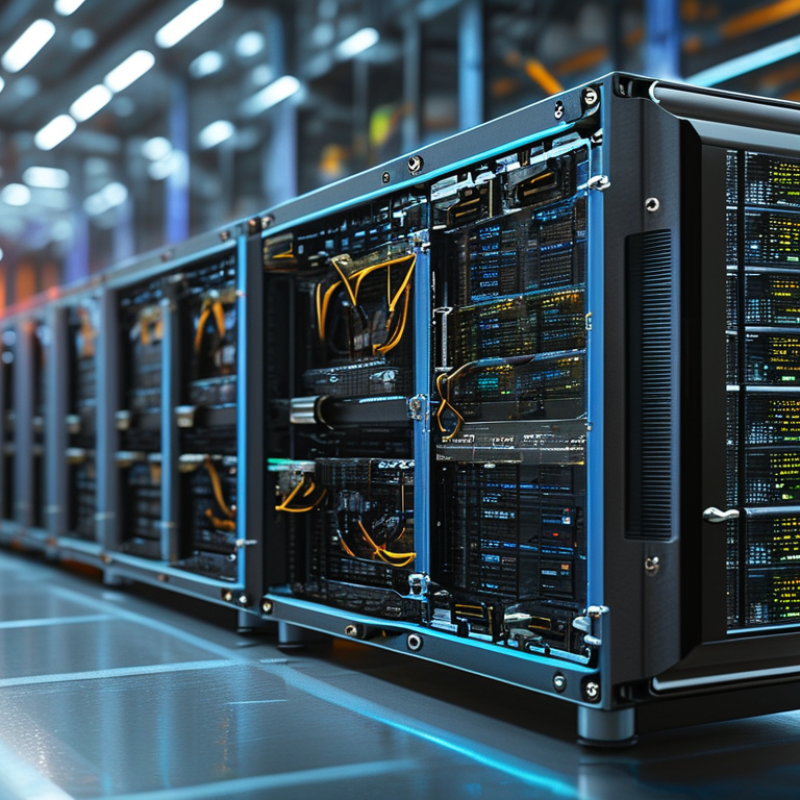
Top AI Server Hardware Manufacturers You Need to Know
When exploring the landscape of AI server hardware, understanding the key players becomes essential. The demand for advanced processing and storage capabilities is skyrocketing. Companies are investing heavily in hardware that can handle vast amounts of data. These servers are engineered to support complex algorithms and machine learning processes. They typically feature robust CPUs and cutting-edge GPUs, designed to perform multiple tasks simultaneously.
Some manufacturers prioritize energy efficiency, a critical factor in data centers. However, it’s important to note that while innovative, these advancements often come with high costs. Not all businesses can afford the latest technology, which can create a disparity in access. Decision-makers need to weigh the benefits against their budget constraints.
Additionally, the choice of server can significantly affect operational effectiveness. Companies often rush to adopt the latest hardware without fully understanding their needs. It’s pivotal to align technology with specific use cases. This can prevent waste and ensure optimal performance. Companies must also consider long-term support and reliability, as these factors ultimately affect overall productivity.
Analysis of Global Market Share of AI Server Hardware Manufacturers
The global market for AI server hardware has been expanding rapidly. Various manufacturers are competing fiercely to capture larger market shares. This race drives innovation and improvements in performance and efficiency. AI server hardware is essential for processing vast datasets and running complex algorithms. Different manufacturers focus on unique features to stand out.
Analyzing the market share reveals a few dominant players. They hold significant portions of the overall market. However, smaller companies are emerging with groundbreaking technologies. This diversification can lead to greater choices for consumers. Some well-established brands face challenges in adapting to new trends. Their reliance on legacy designs may hinder growth. Companies that invest in research and innovation often gain an advantage.
Understanding these dynamics helps predict future trends. The evolving landscape of AI hardware indicates a shift towards more energy-efficient and powerful solutions. Manufacturers that focus on sustainability may appeal to environmentally conscious consumers. Still, the balancing act between performance and cost remains a critical factor. New entrants can disrupt established companies if they meet market demands effectively.
Key Features and Specifications of Leading AI Server Models
In the competitive landscape of AI servers, notable features and specifications play a crucial role in decision-making. Key specifications such as GPU count, memory capacity, and network bandwidth can greatly influence performance. According to industry reports, AI servers with high-density GPU configurations can increase processing power significantly. Many models now feature tens of GPUs optimized for parallel processing. This allows for enhanced training of AI models, pushing boundaries in machine learning applications.
Memory specifications are also pivotal. Leading AI server models often boast over 1TB of RAM. Such high capacity supports processing large datasets efficiently, reducing bottlenecks during heavy computations. Furthermore, advanced cooling solutions are essential in these high-performance machines. Inefficient thermal management can result in throttling. This is a critical area that many manufacturers are still refining.
Power consumption is another factor to reflect upon. Despite the powerful performance, some models consume excessive energy, leading to sustainability concerns. Industry experts highlight the need for more energy-efficient designs. Integrating renewable energy sources could mitigate some environmental impacts. Innovations in server hardware continue to evolve, yet balancing performance and sustainability remains a challenging endeavor.
Comparative Evaluation: Performance Metrics of AI Servers in AI Workloads
The performance metrics of AI servers are critical for evaluating their effectiveness in AI workloads. Key factors include processing speed, energy efficiency, and memory bandwidth. High processing speed accelerates AI tasks, from natural language processing to complex simulations. Energy efficiency ensures that the servers operate optimally, reducing operational costs and environmental impact.
Another important aspect is memory bandwidth. It influences how quickly data is transferred within the server. Insufficient memory bandwidth can create bottlenecks, slowing down AI models' training and inference phases. It's clear that these performance metrics directly affect the overall usability of AI servers.
However, achieving a balance among these metrics can be challenging. Increasing processing speed may lead to higher energy consumption. Similarly, enhancing memory bandwidth might require more expensive components. Each design choice has trade-offs that demand thorough assessment. As the industry evolves, staying informed about these complexities is crucial for effective decision-making.
Emerging Trends in AI Server Technology and Their Market Implications
Emerging trends in AI server technology are reshaping the landscape of data processing. Increased demand for efficient computation drives innovations.
AI applications require immense processing power, which leads to advancements in hardware design.
Many manufacturers are investing in custom chips tailored for AI workloads.
These chips can significantly enhance speed and efficiency.
Another trend is the adoption of specialized cooling systems. Effective thermal management is crucial for high-performance computing.
As servers become more powerful, they generate more heat.
Innovative cooling solutions, such as liquid cooling, are gaining popularity.
These methods provide better performance and energy efficiency.
Cloud computing is also influencing AI server technologies.
Businesses are integrating AI capabilities into their operations with cloud solutions.
This trend creates opportunities for more scalable infrastructure.
However, reliance on cloud services raises questions about data privacy and security.
Ensuring robust protection remains a challenge for many organizations.
As the market evolves, these innovations will drive the future of AI server technology.
Future Outlook: Innovations by Top AI Server Hardware Companies
The AI server hardware sector is rapidly evolving, driven by a surge in demand for more powerful computational capabilities. According to a recent industry report, the global AI server market is projected to grow at a CAGR of 30% from 2023 to 2030. This growth is fueled by advancements in machine learning and data analytics. Companies are investing heavily in developing specialized hardware to optimize performance and efficiency.
High-performance GPUs and custom-designed chips are becoming the norm. Many manufacturers are innovating in areas like cooling technology, energy efficiency, and scalability. They focus on solutions that can handle vast amounts of data without overheating or failing. Yet, challenges remain. There is a growing concern about the sustainability of producing such hardware, as raw material extraction can harm the environment. This complicates the narrative of progress in AI technologies.
Emerging trends include the integration of AI into hardware design processes. Companies are utilizing AI algorithms to enhance chip design, potentially increasing yield rates. As the market grows, the focus on ethical AI and responsible sourcing of materials will become paramount. Consumers and companies alike may need to reassess the implications of their hardware choices. The future of AI server hardware is bright, yet it invites deeper reflection on the balance between innovation and responsibility.
FAQS
Energy efficiency helps reduce operational costs and environmental impact, essential for modern data centers.
An appropriate server can enhance operational effectiveness and align technology with specific use cases, preventing waste.
Key specifications include GPU count, memory capacity, and network bandwidth, as these influence performance greatly.
High memory capacity, often over 1TB, supports efficient processing of large datasets and minimizes bottlenecks.
Ineffective thermal management can lead to throttling, impacting performance. Advanced cooling solutions are necessary.
Some AI servers consume excessive energy, raising sustainability concerns. More energy-efficient designs are needed.
Increasing processing speed may raise energy consumption. Enhancing memory bandwidth might require pricier components.
Decision-makers should carefully evaluate their needs against the costs of new technology to avoid unnecessary expenses.
Balancing performance and sustainability remains challenging as innovations continue to evolve within the industry.
Conclusion
The article provides an insightful overview of key AI server hardware manufacturers essential for understanding the evolving landscape of artificial intelligence technology. It includes an analysis of the global market share among these manufacturers, highlighting the competitive dynamics that influence AI server production.
Furthermore, the article delves into the key features and specifications of leading AI server models, as well as a comparative evaluation of their performance metrics specifically tailored for AI workloads. Emerging trends in AI server technology are explored, revealing their implications for the market, while looking ahead, the future outlook discusses anticipated innovations from top AI server hardware manufacturers. This comprehensive examination is crucial for anyone seeking to navigate the intricate world of AI server technology effectively.
 Datrix
