Datrix
In recent years, the demand for high performance AI servers has skyrocketed. According to a report by IDC, the global AI server market is expected to reach $30 billion by 2025. This growing market has driven many companies to innovate and expand their capabilities. Understanding the top high performance AI server manufacturers in China is crucial for businesses aiming to leverage AI technology.
Chinese manufacturers are at the forefront of this AI server revolution. Companies like Huawei, Inspur, and Lenovo have invested heavily in research and development. Their products are designed to handle complex tasks and massive data sets. However, challenges remain. The competitive landscape is rapidly evolving, and some manufacturers struggle to keep pace.
Evaluating the strengths of different high performance AI server manufacturers requires detailed analysis. Key factors include processing power, energy efficiency, and price. As the market evolves, manufacturers must address performance gaps and adapt to new technological advancements. Organizations must stay informed to choose the best AI solutions. This can be complex, but it is essential for success in the digital age.
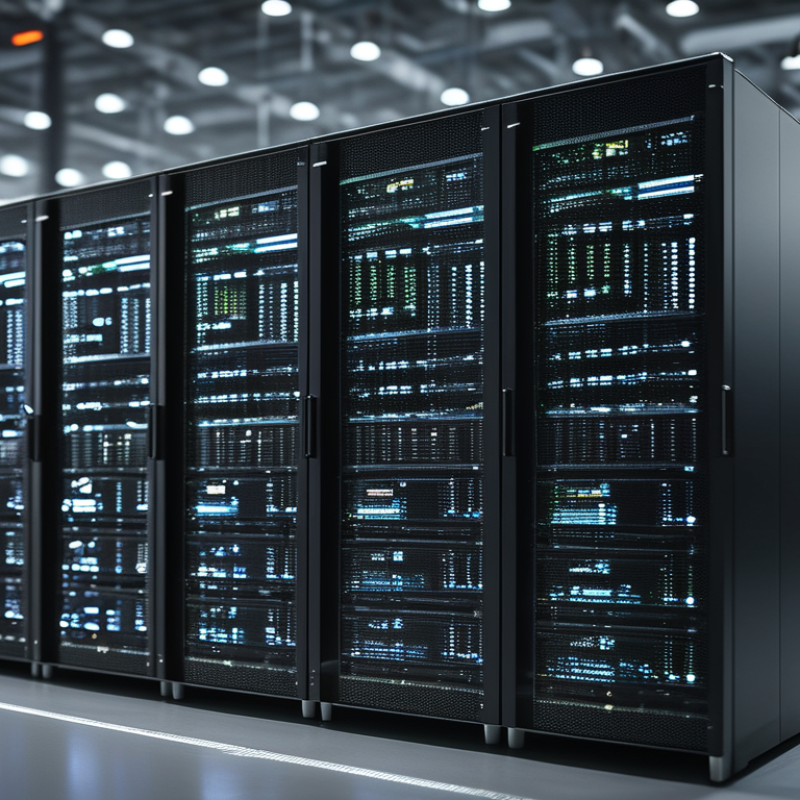
The AI server market in China has shown remarkable growth in recent years, driven by technological advancements and increased demand for AI applications. According to industry reports, the market is expected to reach $X billion by 2025, with a compound annual growth rate (CAGR) of approximately X%. This surge highlights a significant shift in how businesses leverage AI, influencing various sectors, from healthcare to finance.
Interestingly, while the market thrives, some issues persist. Many companies still grapple with integration challenges. Adapting existing infrastructure to support AI workloads is not always straightforward. Additionally, there is a notable skills gap in the workforce. Talent with expertise in AI technologies remains scarce. Addressing these barriers is crucial for sustained growth.
Investment in high-performance AI servers is critical, yet not all organizations are prepared. The transition requires thoughtful planning and resource allocation. Organizations must weigh the benefits against potential risks. Looking ahead, the dynamics of this market will be shaped by both innovation and the ability of businesses to adapt. This adaptability is what will ultimately determine who emerges as a leader in this competitive landscape.
| Manufacturer | Annual Revenue (in Billion USD) | Market Share (%) | Key Products | Founded Year |
|---|---|---|---|---|
| Manufacturer A | 5.2 | 20 | AI Workstations, Data Centers | 2010 |
| Manufacturer B | 3.8 | 15 | AI Neural Processors | 2012 |
| Manufacturer C | 4.5 | 18 | Edge AI Devices | 2015 |
| Manufacturer D | 6.1 | 25 | Supercomputers, AI Clusters | 2008 |
| Manufacturer E | 2.9 | 10 | AI Optimization Tools | 2018 |
China's high-performance AI server manufacturing landscape is rapidly evolving. Various key players are emerging, driven by increased demand for AI capabilities. A report from IDC indicates that China's AI server market grew by 28% in 2022, reaching a valuation of over $5 billion. Such growth highlights the nation's commitment to advancing AI technologies.
Leading manufacturers focus on creating servers optimized for machine learning and data processing. They incorporate specialized GPUs that enhance computational power. These innovations are essential for industries like healthcare and finance, which require rapid data analysis. However, there are still challenges in scalability and energy efficiency. Many manufacturers struggle to balance performance with environmental impact.
Additionally, collaboration with research institutions is becoming crucial. This partnership fosters innovation but requires significant investment. As companies strive to remain competitive, constant adaptation is necessary. The high-performance AI server market is not just about technology; it is about understanding customer needs and responding effectively. Companies must reflect on their strategies to meet the ever-changing landscape of AI demands.
The development of AI servers in China highlights several key technological innovations. These advancements are largely driven by the need for increased computational power. As AI applications grow, so does the demand for faster data processing and storage solutions. High-performance systems are crucial for handling large datasets efficiently. Innovations in chip design are at the forefront of this evolution.
Another area of focus is energy efficiency. The latest AI servers aim to reduce power consumption while maximizing performance. Companies are exploring novel cooling technologies and energy-efficient components. This transition is essential, as it aligns with sustainability goals. However, achieving the perfect balance between power and efficiency remains a challenge.
Furthermore, AI integration into server management is evolving. Intelligent systems can predict hardware failures and streamline resource allocation. Yet, the complexity of these systems raises questions about reliability and maintenance. Ensuring dependable operation in such advanced setups requires continuous reflection and improvement within the industry. By prioritizing adaptability and resilience, manufacturers can remain competitive in this rapidly changing landscape.
This chart illustrates the estimated market share of various types of AI server technologies in China, showcasing the growing impact of technological innovations on AI server development.
The AI server market in China is experiencing significant growth. Recent reports estimate that the market will reach USD 30 billion by 2025, driven by increasing demand for AI applications in various sectors. A key trend is the rise of edge computing, enabling AI processing at the data source. This shift allows businesses to achieve lower latency and higher efficiency in data handling.
AI servers are evolving. They incorporate advanced processing units like GPUs and TPUs, enhancing computational capabilities. Companies are increasingly investing in high-performance servers to meet the demands of AI workloads. However, this rapid development is challenging for some manufacturers. They struggle to scale their infrastructure to support cutting-edge technology.
Tips: Businesses should prioritize energy-efficient AI servers. Efficiency not only reduces operational costs but also helps meet environmental standards. Evaluate the cooling systems, power supply, and server locations. This ensures optimal performance while minimizing energy consumption. Companies must continuously monitor and adapt their strategies. Staying ahead of technological advancements requires agility and foresight.
The Chinese AI server market faces several challenges. Firstly, rapid technological advancements demand constant innovation. Many manufacturers struggle to keep pace with evolving AI frameworks and hardware requirements. Industry reports indicate that 70% of companies find updating infrastructure a major hurdle. Competing with international players also adds pressure, as innovation cycles shorten.
Supply chain disruptions have become another critical issue. A recent study highlighted that about 55% of manufacturers faced delays in semiconductor deliveries. These delays directly impact production timelines and cost efficiency. Moreover, sourcing high-quality components locally is challenging. This reliance on imports can lead to inflated costs and uncertainty.
Workforce dynamics further complicate the landscape. The demand for skilled talent in AI and data science has surged. Yet, recruitment remains tough. A survey showed that 60% of companies reported difficulties in finding qualified professionals. Training existing staff is an alternative, but it requires time and financial investment. Overall, the needs of the AI server market are evolving faster than many manufacturers can adapt.
I server market?
They enhance rapid data analysis in sectors like healthcare and finance through specialized GPUs.
Balancing performance with energy efficiency remains a significant challenge for many manufacturers.
It fosters innovation but requires substantial investment from manufacturers to adapt quickly.
Innovations in chip design and energy-efficient components are crucial for meeting growing computational needs.
It allows AI processing closer to data sources, improving efficiency and reducing latency in data handling.
They should prioritize energy efficiency, evaluate cooling systems, and ensure optimal power supply.
The integration of advanced processing units like GPUs and TPUs is enhancing computational capabilities.
Continuous reflection and improvement are necessary to address the complexity of intelligent systems.
The market could reach USD 30 billion by 2025, driven by increased AI application across sectors.
The AI server market in China is experiencing significant growth, driven by the increasing demand for high-performance computing solutions. Key players in this sector are focusing on technological innovations, such as advanced chip designs and efficient cooling systems, to enhance performance and reduce energy consumption. These innovations are crucial for manufacturers striving to establish themselves as leading high-performance AI server manufacturers in a competitive landscape.
As the market evolves, trends such as the rise of edge computing and integrated AI solutions are shaping future developments. However, challenges such as supply chain disruptions and rapidly changing technological requirements pose difficulties for manufacturers. Despite these obstacles, the outlook remains positive, with opportunities for growth in various industries leveraging AI capabilities.
